
Ultimately, proper boot maintenance is a performance enhancer. It directly preserves the structural integrity of your footwear, ensuring that key features like grip, support, and protection do not degrade over time. By preventing the breakdown of materials, you ensure your boots function exactly as they were designed to, from the first step to the last.
Neglecting boot maintenance allows dirt and moisture to actively break down the materials, which directly compromises the boot's ability to provide support, traction, and comfort when you need them most. Care isn't about aesthetics; it's about preserving core function.
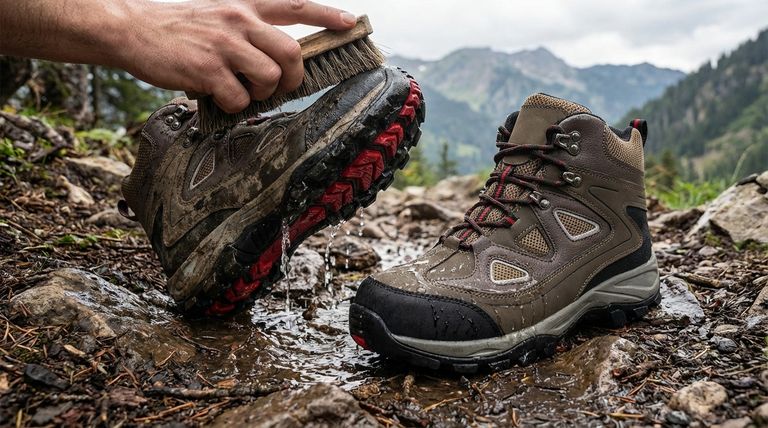
The Foundation: Structural Integrity
A boot's performance is entirely dependent on its structure. When that structure is compromised by neglect, its ability to support and protect you diminishes rapidly.
How Dirt and Debris Degrade Materials
Dirt, grit, and mud are not passive. Tiny abrasive particles get ground into leather, synthetics, and seams with every step you take, slowly severing fibers and weakening the boot's overall structure.
Furthermore, caked-on mud and dirt trap moisture against the boot's materials long after the surface appears dry. This prolonged exposure accelerates material breakdown.
The Critical Impact of Moisture
Water is a primary cause of material failure. When leather becomes saturated and then dries too quickly (e.g., near a fire), it can crack, shrink, and become brittle, losing both its flexibility and supportive qualities.
For all boot types, excessive moisture can also weaken the adhesives used to bond the sole to the upper, leading to delamination and catastrophic failure on the trail.
Translating Structure into On-Trail Performance
A well-maintained structure directly translates to reliable performance. Each aspect of boot care is linked to a specific functional outcome.
Maintaining Consistent Grip
The deep lugs on an outsole are designed to bite into terrain. When these lugs are packed with dried mud and debris, your high-traction sole effectively becomes a smooth, slippery surface.
Regularly cleaning the outsole ensures the tread pattern is clear and can perform its function, providing reliable grip and preventing slips and falls.
Preserving Ankle Support
A boot provides ankle support through the rigidity and shape of its upper materials. As leather and synthetics weaken, soften, and break down from cycles of getting wet and dirty, they lose this essential stiffness.
This degradation reduces the boot's ability to protect you from ankle rolls and instability on uneven or challenging ground.
Ensuring Protection and Comfort
Proper care includes maintaining the boot's water-repellent treatment. When this fails, water soaks into the materials, leading to wet, cold feet.
Wet feet are not just uncomfortable; they are significantly more prone to blisters, chafing, and other injuries that can end an outing prematurely. A compromised boot structure also creates hotspots and pressure points.
The Unseen Costs of Neglect
Ignoring boot maintenance isn't a neutral act. It actively shortens the functional life of your gear and introduces unnecessary risks.
The Downward Spiral of Breakdown
Small points of failure cascade. A single frayed seam that could have been protected by simple cleaning can let in more grit and moisture, which then accelerates the breakdown of the surrounding materials and adhesives.
The Hidden Risk to Safety
A sudden loss of traction from a mud-caked sole or a twisted ankle from a degraded, unsupportive upper are direct safety consequences of poor maintenance. The integrity of your gear is part of your safety system.
The Financial Impact
High-quality boots are a significant investment. Neglecting them drastically shortens their usable lifespan, forcing you to replace them far sooner than necessary. Consistent care protects your initial investment.
Applying This to Your Goals
Your maintenance routine should align with how you use your boots.
- If your primary focus is safety on rugged terrain: Prioritize cleaning outsoles for maximum grip and conditioning uppers to maintain critical ankle support.
- If your primary focus is comfort on long-distance hikes: Focus on maintaining the waterproofing and cleaning the interior to ensure your feet stay dry and blister-free.
- If your primary focus is maximizing value: Implement a consistent clean-and-condition routine after every few uses to dramatically extend the functional life of the materials.
Proper boot care is an investment in consistent, reliable performance and your own safety.
Summary Table:
| Maintenance Action | Direct Performance Benefit |
|---|---|
| Cleaning Outsoles | Maintains consistent grip and prevents slips |
| Conditioning Uppers | Preserves critical ankle support and structure |
| Waterproofing Treatment | Ensures dry, comfortable feet and prevents blisters |
| General Clean & Care | Dramatically extends the functional lifespan of the boot |
As a large-scale manufacturer, 3515 produces a comprehensive range of durable footwear for distributors, brand owners, and bulk clients. Our production capabilities encompass all types of high-performance boots designed to last. Let us help you provide your customers with reliable, long-lasting footwear. Contact our team today to discuss your manufacturing needs and how we can enhance your product line.
Visual Guide

Related Products
- Wholesale Durable Safety Boots | Custom Steel Toe & Puncture-Resistant Manufacturing
- Premium Wholesale Tactical Style Safety Shoes Boots with Quick Lacing
- Durable Goodyear Welt Leather Work Boots for Wholesale & Private Label
- Durable Leather Work Boots for Wholesale & Custom Manufacturing
- Durable Leather Work Boots for Wholesale & Custom OEM Manufacturing
People Also Ask
- What are the consequences of not wearing safety boots? Protect Your Finances and Career
- What are the key features of safety boots? Essential Protection for Hazardous Workplaces
- What are the risks of using ordinary rubber boots in forest clearing? Why professional safety boots are essential
- How should safety boots be cleaned to avoid damage? A Gentle Guide to Preserve Your Boots
- Why is proper storage important for safety boots? Preserve Protection and Extend Lifespan



















