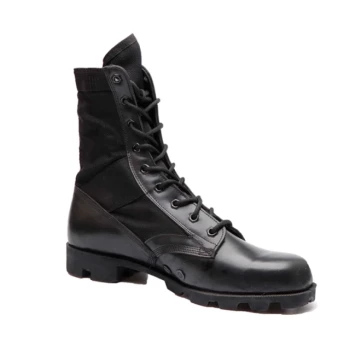
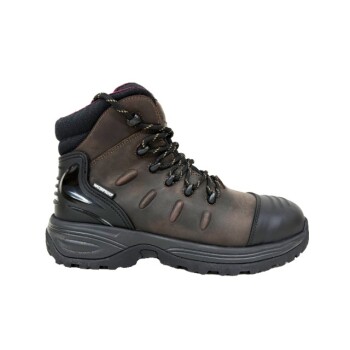
High-precision 3D scanning serves as the critical interface between biological reality and digital engineering. It captures exact, symmetrical digital data of the human foot to provide design teams with indisputable anatomical references. By integrating this data into Computer-Aided Design (CAD), developers can adjust the proportions of the shoe last—the mold upon which the boot is built—to precisely match real foot morphology.
By predicting and eliminating specific pressure concentration points before a single prototype is physically built, 3D scanning transforms ergonomic optimization from a reactive trial-and-error process into a proactive digital strategy.
From Anatomy to Algorithm
The core function of this technology is to translate organic shapes into actionable engineering constraints.
Capturing Digital Symmetry
The primary input for ergonomic optimization is digital symmetrical data. 3D scanning equipment maps the foot in high fidelity, creating a reliable dataset that removes the guesswork associated with manual measurement.
Morphological Adjustment
Once the data is captured, it is fed into CAD software. This allows the design team to modify the "last" (the internal form of the boot). The result is a boot structure that respects the actual volume and contours of the foot, rather than relying on generic historical standards.
The Strategic Impact on Soldier Performance
The ultimate goal of using this equipment goes beyond comfort; it is a matter of operational readiness and health protection.
Eliminating Pressure Points
A major cause of foot failure in the field is localized pressure. 3D scanning allows engineers to identify potential pressure concentration points in the digital model. These hotspots are smoothed out and resolved in the design phase, long before mass production begins.
Reducing Injury Risk
The specific context for military boots often involves long-duration marching under heavy loads. By ensuring the boot fits the true morphology of the foot, the technology directly reduces the risk of muscle injuries that occur when soldiers compensate for poor fit during strenuous activity.
Critical Considerations for Implementation
While the benefits are clear, the efficacy of this process relies on the integrity of the workflow.
The Dependency on Data Accuracy
The output is only as good as the input. The optimization process assumes that the captured data is high-precision and correctly reflects the target population. If the initial digital symmetrical data is flawed, the CAD adjustments will be scientifically precise but anatomically incorrect, potentially locking in ergonomic errors at scale.
Making the Right Choice for Your Goal
To maximize the value of 3D scanning in boot development, align your focus with your specific objective.
- If your primary focus is Design Precision: Utilize the digital symmetrical data to refine the shoe last proportions in CAD, ensuring the foundation of the boot matches real foot morphology.
- If your primary focus is Personnel Safety: Prioritize the identification of pressure concentration points to eliminate the risk of muscle injuries during heavy-load operations.
High-precision 3D scanning converts the complex biology of the human foot into a fixed engineering constant, ensuring that protection and performance are built in by design, not by chance.
Summary Table:
| Optimization Phase | Technology Used | Key Ergonomic Benefit |
|---|---|---|
| Data Acquisition | High-Precision 3D Scanning | Captures exact foot morphology & digital symmetry |
| Design Refining | CAD Integration | Adjusts shoe last proportions to match real volume |
| Risk Mitigation | Digital Pressure Mapping | Predicts & eliminates hotspots before prototyping |
| Field Readiness | Proactive Engineering | Reduces muscle fatigue and long-duration injury risk |
Partner with 3515 for Precision-Engineered Footwear Solutions
As a premier large-scale manufacturer serving global distributors and brand owners, 3515 leverages cutting-edge technology to deliver superior performance. Our production capabilities span all footwear categories, anchored by our flagship Safety Shoes series and extending to high-performance tactical boots, outdoor gear, and formal dress shoes.
By choosing 3515, you gain access to:
- Advanced Ergonomic Design: Utilizing 3D scanning and digital engineering to ensure maximum comfort and safety.
- Scalable Manufacturing: Reliable bulk production for diverse military, industrial, and commercial requirements.
- Unmatched Expertise: Decades of experience in crafting durable footwear that meets rigorous professional standards.
Ready to elevate your product line with industry-leading precision?
Contact us today to discuss your bulk requirements
References
- Ani Atsharyan, Artashes Melikyan. Design Project of Multi-Functional Military Boots. DOI: 10.47857/irjms.2025.v06i02.03292
This article is also based on technical information from 3515 Knowledge Base .
Related Products
- Durable Military Combat Boots with Water Drainage for Wholesale & OEM
- High-Traction Suede Tactical Boots Wholesale & Custom Manufacturing
- Durable High-Ankle Tactical Boots for Wholesale & Custom Manufacturing
- Durable Mid-Cut Tactical Boots for Wholesale & Private Label
- Wholesale Waterproof Tactical Boots Custom Suede & High-Traction Soles
People Also Ask
- Why must gait validation for military applications be conducted in combat boots? Ensure Data Accuracy for Soldiers
- What are the common types of combat boots? Find the Right Boot for Your Mission
- What factors should be considered when choosing military boots for hiking? Durability vs. Weight for Your Terrain
- What are the key considerations when choosing military boots? Prioritize Compliance, Environment & Fit
- How should the midfoot and heel fit in military boots? Achieve a Snug, Secure Fit for Blister Prevention