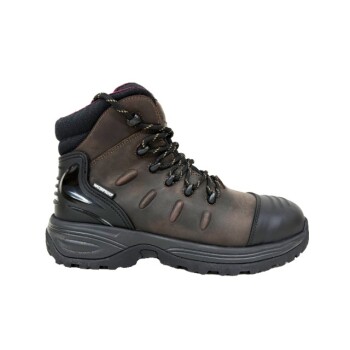
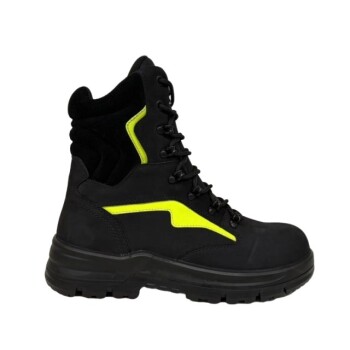
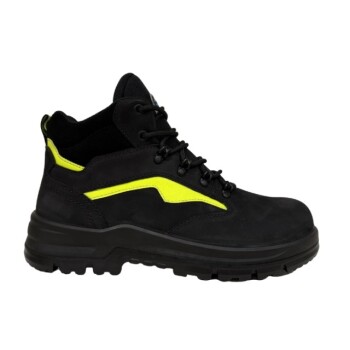
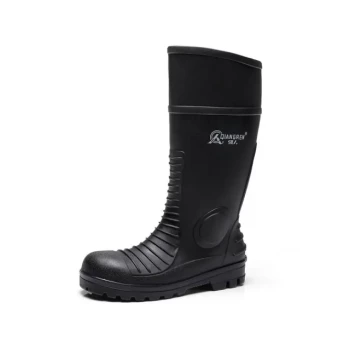
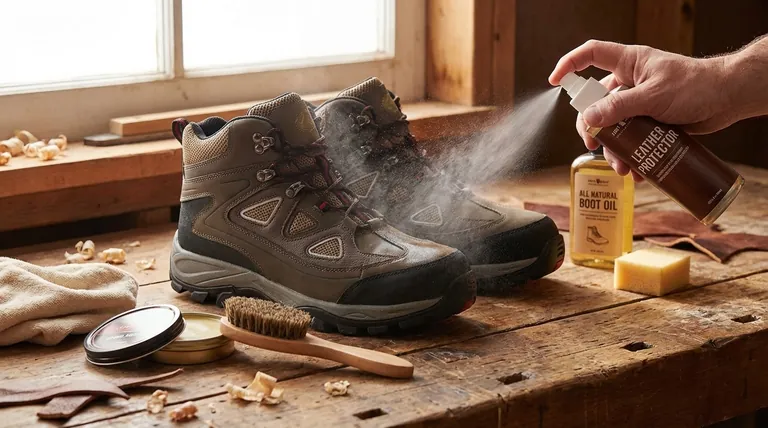
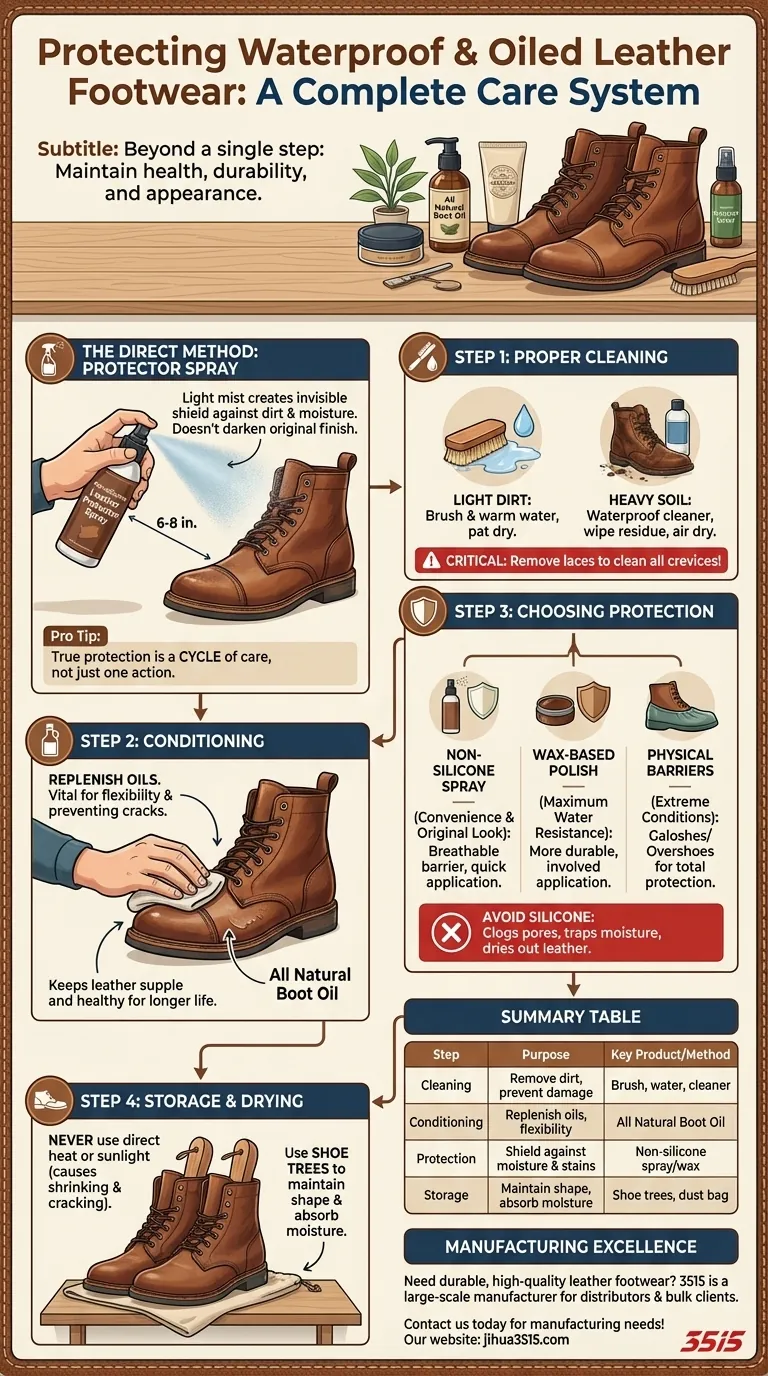
To protect Waterproof & Oiled leather footwear, the most direct method is to apply a non-silicone leather protector spray. Lightly mist the surface from a distance of six to eight inches in a sweeping motion. This creates an invisible shield against dirt and moisture without significantly darkening the leather's original finish.
True protection for high-quality leather is not a single action, but a complete care system. While a protector spray provides a surface shield, the real goal is to maintain the leather's health through a cycle of cleaning, conditioning, and proper storage.
The Foundation: Proper Cleaning
Before you can protect your leather, you must ensure it is clean. Applying any product to a dirty surface will trap grit and grime, degrading the material over time.
For Light, Everyday Dirt
Use a brush and warm water to gently remove surface-level dirt and dust. Once clean, pat the leather dry with a soft cloth.
For Heavily Soiled Areas
For more stubborn grime, use a dedicated waterproof leather cleaner. Apply it with a cloth or brush, then wipe away the residue with a separate damp cloth and allow the footwear to air dry completely.
Critical First Step
Always remove laces before cleaning to ensure you can reach the tongue and all hidden crevices of the footwear.
The Key to Longevity: Conditioning
Conditioning is a separate and vital step from waterproofing. Oiled leather requires its natural oils to be replenished to stay flexible and prevent cracking.
How to Condition
Apply a light, even coat of a product like All Natural Boot Oil. You can use your fingers, a soft cloth, or a sponge to work it into the leather.
The Purpose of Conditioning
Proper conditioning keeps the leather supple and healthy. Healthy leather is inherently more durable and resistant to the elements, extending the life of your footwear.
Choosing Your Protective Shield
Once the leather is clean and dry (and conditioned, if necessary), you can apply a protective layer. The method you choose depends on your needs.
Non-Silicone Sprays
This is the most common and straightforward method. A quality protector spray creates a breathable barrier that repels water and stains. It is quick to apply and typically does not alter the leather's appearance.
Wax-Based Polishes
For a higher level of water resistance, a wax polish is a superior option. The wax provides a more substantial physical barrier against moisture. The application is more involved but offers robust protection.
Physical Barriers
For extreme wet or muddy conditions, do not underestimate the value of physical protectors like galoshes or overshoes. They offer total protection and keep the leather itself from facing the worst of the elements.
Understanding the Trade-offs
Making the right choice requires understanding the pros and cons of each method. There is no single "best" solution for every situation.
Sprays vs. Waxes
A protector spray is ideal for convenience and maintaining the original look and feel of the oiled leather. A wax polish, while more labor-intensive, provides more formidable water protection.
Why to Avoid Silicone
Avoid silicone-based sprays. While they create a waterproof seal, they can clog the leather's pores, preventing it from breathing. This can trap moisture and eventually dry out the leather from within, causing it to become brittle.
Drying and Storage
Never use direct heat or sunlight to speed-dry your leather footwear, as this can cause it to shrink and crack. For long-term storage, use shoe trees to maintain shape and absorb residual moisture, and keep them in a dust bag to prevent damage.
Making the Right Choice for Your Goal
Your maintenance strategy should align with how you use your footwear.
- If your primary focus is preserving the original appearance and everyday convenience: A quality non-silicone leather protector spray is your most effective tool.
- If your primary focus is maximum water resistance for harsh weather: A wax-based polish offers a more durable and effective barrier than a spray.
- If your primary focus is the absolute longest lifespan for your investment: Adopt a complete care cycle of regular cleaning, periodic conditioning, and proper storage with shoe trees.
By moving beyond a single step and embracing a full maintenance routine, you take control of your footwear's durability and appearance.
Summary Table:
| Step | Purpose | Key Product/Method |
|---|---|---|
| Cleaning | Remove dirt to prevent damage | Brush, warm water, leather cleaner |
| Conditioning | Replenish oils for flexibility | All Natural Boot Oil |
| Protection | Shield against moisture & stains | Non-silicone spray or wax polish |
| Storage | Maintain shape & absorb moisture | Shoe trees, dust bag |
Need durable, high-quality leather footwear that's built to last? As a large-scale manufacturer, 3515 produces a comprehensive range of footwear for distributors, brand owners, and bulk clients. Our production capabilities encompass all types of shoes and boots, designed with longevity and performance in mind. Let us help you equip your customers with footwear that stands up to the elements. Contact us today to discuss your manufacturing needs!
Visual Guide
Related Products
- Premium Oil Wax Leather Safety Boots for Bulk Purchase
- Premium Wholesale Waterproof Safety Boots High Performance Protection for Industrial Markets
- Durable Waterproof Rain Boots | Custom Manufacturer for Wholesale & Brands
- Durable Leather Work Boots for Wholesale & Custom Manufacturing
- Wholesale Waterproof Tactical Boots Custom Suede & High-Traction Soles
People Also Ask
- What materials are commonly used for outsoles in safety boots? A Guide to Durability, Grip, and Comfort
- How do safety boots reduce cutting hazards? Essential Protection for Your Workforce
- What are the common types of safety boots and their primary uses? A Guide to Industrial Footwear
- Which organizations develop safety standards for work boots? Ensure Compliance & Worker Safety
- What primary protective functions do professional safety boots provide in urban solid waste recovery and waste picking processes? Discover Dual-Layer Protection.