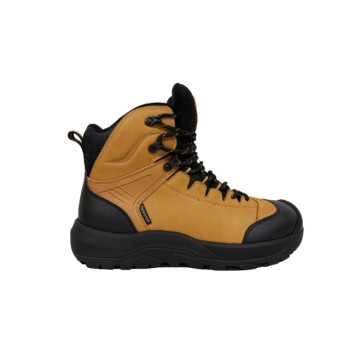
In short, winterized Chelsea boots add three critical elements not found in their standard counterparts: thermal insulation, comprehensive waterproofing, and a more robust, slip-resistant outsole. While a regular Chelsea boot prioritizes a sleek profile for mild weather, the winterized version is engineered to provide genuine protection against cold, wet, and icy conditions.
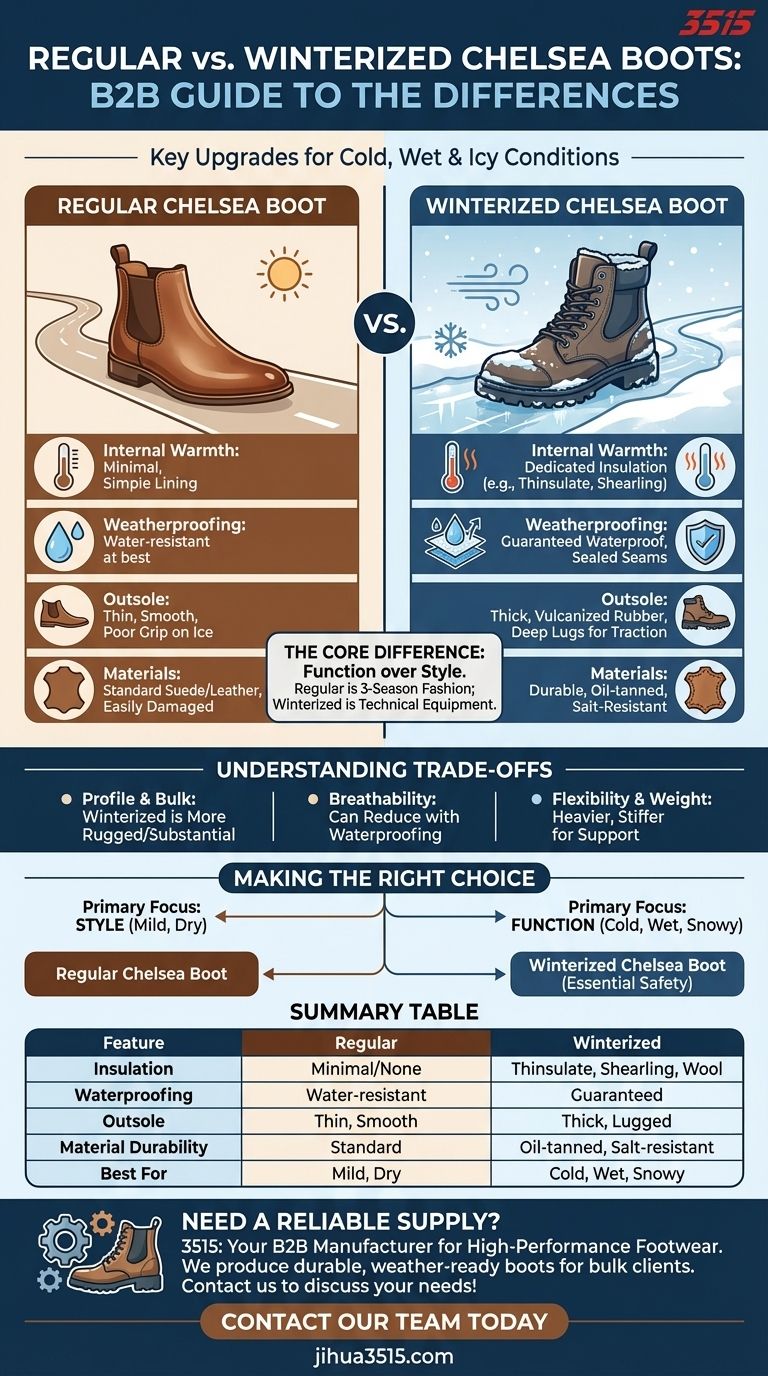
The fundamental difference isn't about style, but about function. A regular Chelsea boot is a three-season fashion item; a winterized Chelsea boot is a piece of technical equipment designed to keep you warm, dry, and upright in harsh weather without sacrificing the classic silhouette.
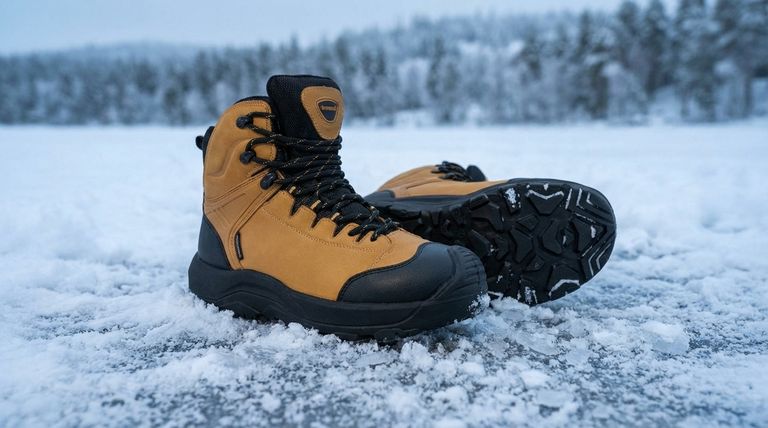
The Core Upgrades: From Style to Survival
A standard Chelsea boot is built on assumptions of clear, dry pavement and moderate temperatures. A winterized boot systematically replaces those assumptions with solutions for cold and precipitation.
Internal Warmth: Insulation and Linings
Standard Chelsea boots often have a simple leather lining, offering minimal warmth.
Winterized versions incorporate dedicated insulation to trap body heat. Common materials include synthetic fills like Thinsulate or natural linings like shearling and wool, which create a thermal barrier against the cold.
Weatherproofing: The First Line of Defense
Most fashion-focused Chelsea boots use leathers and construction methods that are merely water-resistant at best.
A true winterized boot features guaranteed waterproofing. This is achieved through treated leathers, sealed seams, and often an internal waterproof membrane that completely blocks moisture from snow and slush from reaching your foot.
The Foundation: Enhanced Outsoles
The thin, often leather or smooth rubber soles of regular Chelsea boots offer poor insulation and treacherous grip on ice.
Winterized models use thick, vulcanized rubber outsoles with deep lugs. This design serves two purposes: it provides critical traction on slippery surfaces and creates a thicker buffer between your foot and the frozen ground, reducing heat loss.
Material Choices: Built for the Elements
The suedes and thin leathers common on regular Chelseas are easily damaged by salt and moisture.
Winter boots are constructed with more durable, often oil-tanned leathers or synthetics that can withstand the rigors of winter environments, including salt stains and repeated wetting and drying cycles.
Understanding the Trade-offs
Adding functional protection requires compromises. It's essential to recognize what you gain and what you give up with a winterized model.
Profile and Bulk
The addition of insulation and a thick rubber sole inevitably adds bulk. A winterized Chelsea will have a more rugged, substantial profile than its sleeker, standard counterpart.
Breathability
While excellent at blocking external moisture, waterproof membranes and heavy insulation can reduce a boot's breathability. This can lead to sweaty feet if worn for long periods indoors.
Flexibility and Weight
Heavier leathers and robust soles make the boot stiffer and heavier. While this provides support, it sacrifices the lightweight, agile feel of a dressier Chelsea boot.
Making the Right Choice for Your Climate
Your decision should be based entirely on the conditions you expect to face.
- If your primary focus is style for mild, mostly dry fall and spring weather: A regular Chelsea boot offers a sleeker look and is perfectly adequate.
- If your primary focus is navigating cold, wet, or snowy winters: A winterized Chelsea boot is a non-negotiable investment in comfort and safety.
Ultimately, choosing the right boot is about selecting the proper tool for the conditions you face.
Summary Table:
| Feature | Regular Chelsea Boots | Winterized Chelsea Boots |
|---|---|---|
| Insulation | Minimal or none | Thinsulate, shearling, or wool lining |
| Waterproofing | Water-resistant at best | Guaranteed with sealed seams/membranes |
| Outsole | Thin, smooth rubber/leather | Thick, lugged rubber for traction |
| Material Durability | Standard suede/leather | Oil-tanned leathers, salt-resistant |
| Best For | Mild, dry weather (3-season) | Cold, wet, snowy conditions (winter) |
Need a reliable supply of winterized footwear?
As a large-scale manufacturer, 3515 produces a comprehensive range of durable, weather-ready boots for distributors, brand owners, and bulk clients. Our production capabilities encompass all types of shoes and boots, including winterized Chelsea boots designed with the technical features discussed above—ensuring your customers stay warm, dry, and safe.
Let us help you equip your market with high-performance footwear. Contact our team today to discuss your manufacturing needs!
Visual Guide
Related Products
- Wholesale Suede Chelsea Safety Boots for Custom & Private Label Manufacturing
- Premium Insulated Safety Boots and Shoes for Wholesale & Bulk Orders
- Factory Direct Wholesale Rain Boots Durable Waterproof & Fully Customizable
- Durable Waterproof Rain Boots | Custom Manufacturer for Wholesale & Brands
- Wholesale Waterproof Tactical Boots Custom Suede & High-Traction Soles
People Also Ask
- Why are chelsea boots considered a versatile style? The Ultimate Wardrobe Foundation
- What makes Chelsea boots a popular choice and how can they be styled? A Guide to Versatile Footwear
- Why are Chelsea boots easy to wear? Slip-On Style & Timeless Versatility
- Why are Chelsea boots so popular? Discover the Secret to Effortless, Timeless Style
- What are the characteristics of Chelsea boots? The Ultimate Guide to Style & Function