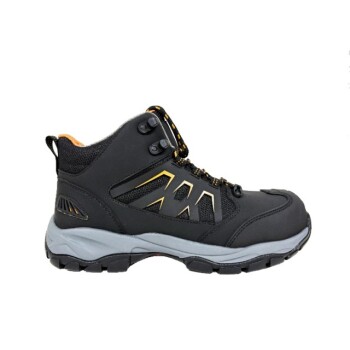
At a glance, all tactical boots may seem interchangeable, but the critical difference between a "tactical" and a "tactical combat" boot is its design philosophy. Tactical combat boots are a specialized, heavier-duty category built for military operations, prioritizing maximum durability and foot protection above all else. Standard tactical boots are engineered for versatility and speed, favoring lightweight comfort for law enforcement, training, and rapid response scenarios.
The fundamental difference isn't about quality, but about purpose. Combat boots are engineered as protective armor for your feet in harsh, unpredictable environments, while tactical boots are engineered as high-performance tools that prioritize speed and comfort.
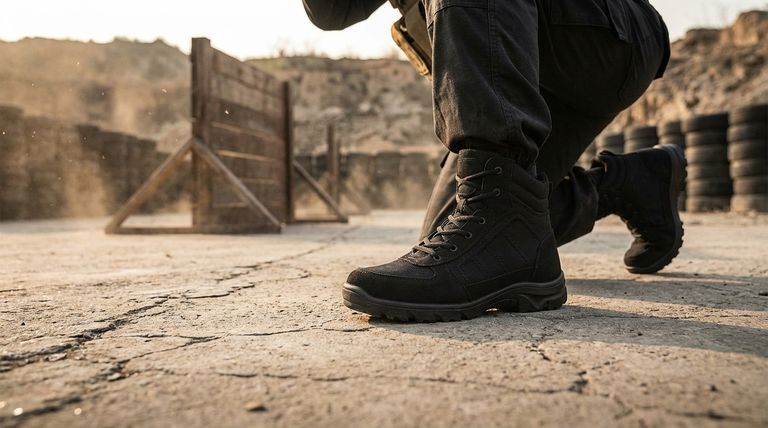
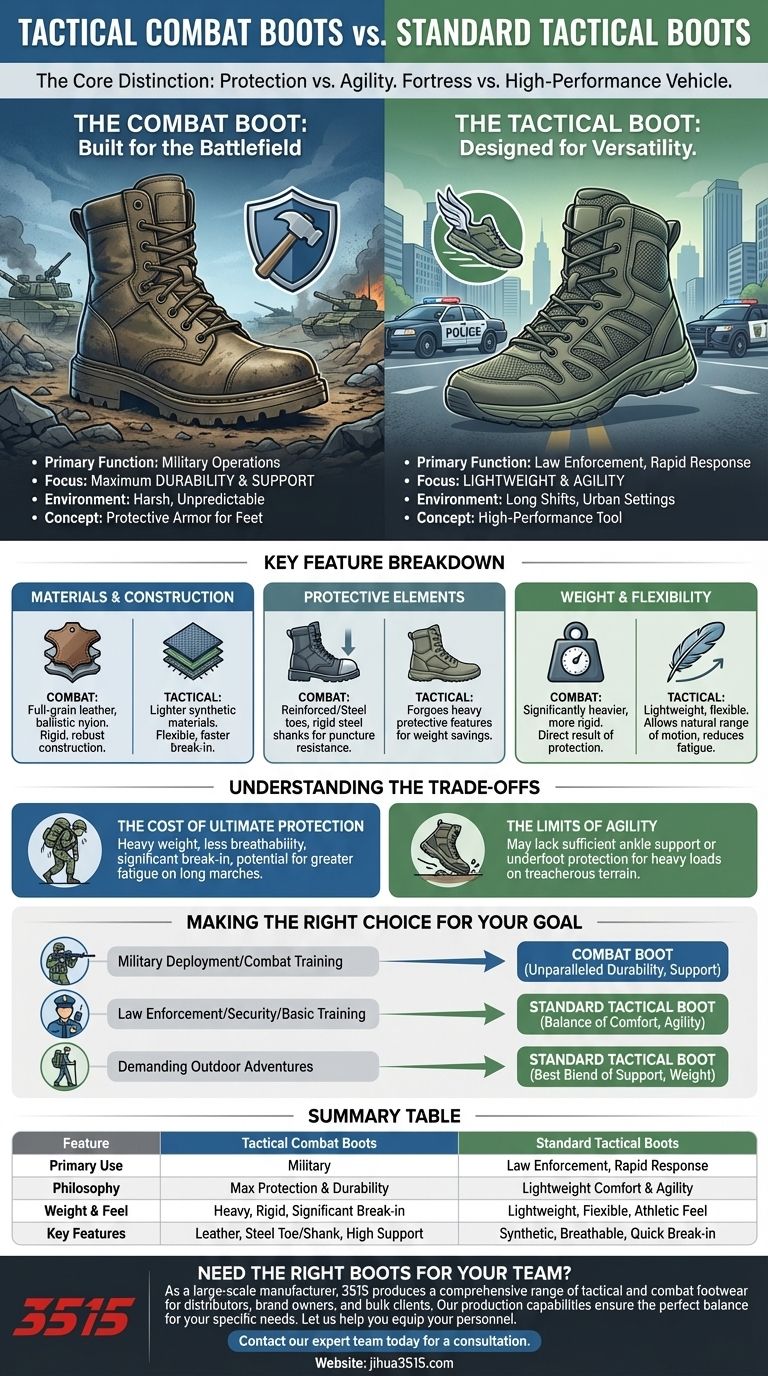
Protection vs. Agility: The Core Distinction
The choice between these two types of boots comes down to a classic trade-off: do you need a fortress or a high-performance vehicle for your feet?
The Combat Boot: Built for the Battlefield
Combat boots are designed to withstand the most extreme conditions and rugged terrain imaginable. Their primary function is to protect the wearer's feet during military operations.
This philosophy emphasizes durability and support over flexibility, ensuring stability and safety in unpredictable environments where hazards are common.
The Tactical Boot: Designed for Versatility
Standard tactical boots are built for professionals who need to be quick and comfortable over long shifts, such as law enforcement officers or first responders.
Their design prioritizes lightweight construction, flexibility, and breathability. They often feel more like a sturdy athletic shoe than a traditional heavy-duty boot.
Key Feature Breakdown
The differing philosophies are directly reflected in the materials and construction of each boot type.
Materials and Construction
Combat boots almost exclusively use heavy-duty materials like full-grain leather or ballistic nylon. The construction is robust and often rigid to provide maximum ankle support and longevity.
Tactical boots utilize lighter synthetic materials to reduce weight and increase flexibility, allowing for a faster break-in period and greater comfort out of the box.
Protective Elements
To protect against field hazards, combat boots frequently incorporate reinforced or steel toes and rigid steel shanks in the sole for puncture resistance.
Standard tactical boots typically forgo these heavier protective features to save weight and improve the wearer's agility and speed.
Weight and Flexibility
This is one of the most noticeable differences. Combat boots are significantly heavier and more rigid, a direct result of their protective features and durable materials.
Tactical boots are lightweight and flexible, allowing for a more natural range of motion and reducing fatigue during activities that involve lots of movement, like running or climbing.
Understanding the Trade-offs
Neither boot is inherently "better"—they are simply specialized tools. Choosing the wrong one for your needs can lead to discomfort or inadequate protection.
The Cost of Ultimate Protection
The robust protection of a combat boot comes at the cost of weight and breathability. They can be heavy, require a significant break-in period, and may lead to greater fatigue during long marches.
The Limits of Agility
While a lightweight tactical boot offers superior comfort and speed, it may not provide enough ankle support or underfoot protection for carrying heavy loads over treacherous, debris-filled terrain.
Making the Right Choice for Your Goal
To select the correct boot, you must match its design philosophy to your intended use.
- If your primary focus is military deployment or combat training: You need a combat boot for its unparalleled durability, support, and protection in harsh conditions.
- If your primary focus is law enforcement, security, or basic training: A standard tactical boot is the optimal choice for its balance of comfort, agility, and lightweight design over long shifts.
- If your primary focus is demanding outdoor adventures or backpacking: A standard tactical boot often provides the best blend of support, weight, and comfort for varied terrain.
Ultimately, selecting the right boot means honestly assessing your environment and choosing the tool designed for that specific mission.
Summary Table:
| Feature | Tactical Combat Boots | Standard Tactical Boots |
|---|---|---|
| Primary Use | Military deployment, combat training | Law enforcement, security, rapid response |
| Design Philosophy | Maximum protection and durability | Lightweight comfort and agility |
| Weight & Feel | Heavy, rigid, significant break-in | Lightweight, flexible, athletic feel |
| Key Features | Full-grain leather, steel toe/shank, high ankle support | Synthetic materials, breathable, quick break-in |
Need the Right Boots for Your Team?
As a large-scale manufacturer, 3515 produces a comprehensive range of tactical and combat footwear for distributors, brand owners, and bulk clients. Our production capabilities encompass all types of boots, ensuring you get the perfect balance of protection, agility, and durability for your specific needs.
Let us help you equip your personnel with the right footwear for the mission.
Contact our expert team today for a consultation
Visual Guide
Related Products
- High-Traction Suede Tactical Boots Wholesale & Custom Manufacturing
- Durable Leather Tactical Boots Wholesale & Custom Manufacturing for Brands
- Wholesale Lightweight Tactical Boots Custom Manufacturer for Desert & Combat Use
- Durable Military Combat Boots with Water Drainage for Wholesale & OEM
- Durable Mid-Cut Tactical Boots for Wholesale & Private Label
People Also Ask
- Why is sequential analysis utilized to evaluate tactical boots? Master Dynamic Boot Development and Ergonomic Performance
- How does the material of tactical boots affect their performance? Choose the Right Material for Your Mission
- How do tactical boots differ from regular boots? Performance, Durability & Design Explained
- How do military uniforms and tactical boots impact the prediction of thermal risk? Essential Safety Insights
- What are the benefits of integrating FES and sEMG into tactical boots? Safety, Reliability & Field-Ready Performance