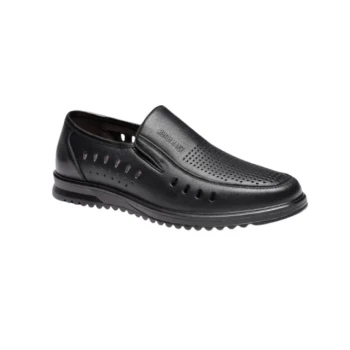
Integrated Photoplethysmogram (PPG) sensors in wearable footwear function as continuous, non-invasive heart rate monitors designed to detect early signs of circulatory instability. By embedding this technology in footwear, orthopedic trauma care providers can establish an automated early warning system that identifies patients at risk of developing septic or hemorrhagic shock.
This technology acts as a digital safety net for non-critical patients transitioning out of the Emergency Department. By continuously tracking heart rate for abnormalities, it allows for the timely intervention of life-threatening circulatory conditions that might otherwise go unnoticed during patient transfer or discharge.
The Mechanism of Early Detection
Continuous Heart Rate Monitoring
The core function of these integrated sensors is the continuous measurement of heart rate. Unlike periodic spot-checks by nursing staff, wearable sensors provide a stream of data that helps establish a patient's baseline and immediately flags deviations.
Identifying Circulatory Abnormalities
PPG sensors utilize light-based technology to detect changes in blood volume. In the context of trauma care, this data is critical for identifying circulatory system abnormalities that precede major medical events.
Clinical Application in Trauma Care
Targeting Septic and Hemorrhagic Shock
The primary contribution of these sensors is their ability to identify patients at risk of septic or hemorrhagic shock. Both conditions are characterized by distinct changes in heart rate and circulation which the sensors are calibrated to detect.
Protecting Transitory Patients
The highest value of this technology lies in monitoring non-critical patients transitioning from emergency departments. These patients are often deemed stable enough to move, yet they remain at risk for sudden deterioration.
The "Safety Net" Concept
By acting as a safety net, the footwear ensures that a patient's transition from high-intensity care to a ward or discharge does not result in a loss of oversight. It bridges the monitoring gap that often occurs when a patient leaves the direct supervision of ED staff.
Understanding the Trade-offs
Contextual Limitations
While effective, it is important to note that these sensors are currently positioned for non-critical patients. They are intended to catch deterioration in stable patients, not to replace the intensive monitoring required for critical, unstable trauma cases.
Specificity of Risk
The system is specifically highlighted for shock detection (septic and hemorrhagic). Users should be aware that while heart rate is a vital indicator, reliance on a single metric may not capture every type of orthopedic complication, such as localized nerve damage or compartment syndrome, unless those conditions also trigger a systemic heart rate response.
Strategic Implementation for Patient Safety
To effectively utilize PPG-enabled footwear in an orthopedic setting, consider your specific clinical objectives:
- If your primary focus is Patient Safety during Discharge: Deploy these sensors to act as a "safety net" for patients leaving the ED, ensuring that any onset of shock is detected immediately post-transition.
- If your primary focus is Workflow Efficiency: Use the continuous data to automate the detection of circulatory abnormalities, reducing the manual burden of constant vitals checks on non-critical patients.
Ultimately, the integration of PPG sensors turns footwear into a proactive diagnostic tool, safeguarding patients against the silent and rapid onset of shock.
Summary Table:
| Feature | Clinical Benefit | Target Use Case |
|---|---|---|
| Continuous PPG Sensing | Real-time heart rate monitoring & baseline tracking | Non-critical patient observation |
| Automated Alerts | Early detection of circulatory instability | Identifying septic or hemorrhagic shock |
| Wearable Integration | Continuous monitoring during ward transfer or discharge | Bridging the post-ED monitoring gap |
| Non-Invasive Design | Improved patient compliance and comfort | Long-term tracking for stable trauma cases |
Secure Your Patient Safety Standards with 3515 Footwear Innovation
As a large-scale manufacturer serving distributors and brand owners, 3515 offers comprehensive production capabilities for all footwear types, anchored by our flagship Safety Shoes series. Our extensive portfolio covers work and tactical boots, outdoor shoes, training shoes, and sneakers, as well as Dress & Formal shoes to meet diverse bulk requirements.
Integrating advanced technologies like PPG sensors into high-quality footwear requires a manufacturing partner with the scale and expertise to deliver. Whether you are looking to enhance your medical safety shoe line or develop specialized trauma-care footwear, we provide the technical precision and volume capacity you need to succeed in the orthopedic market.
Ready to elevate your product line? Contact us today to discuss your bulk manufacturing needs.
References
- Carolina Vogel, Benedikt J. Braun. Wearable Sensors in Other Medical Domains with Application Potential for Orthopedic Trauma Surgery—A Narrative Review. DOI: 10.3390/jcm13113134
This article is also based on technical information from 3515 Knowledge Base .
Related Products
- Wholesale Breathable Training Shoes Custom Athletic Footwear Manufacturer
- Lightweight Breathable Training Shoes for Wholesale & Custom OEM Manufacturing
- Wholesale Breathable Athletic Sneakers - Custom Lightweight Cushioned Footwear Manufacturer
- Wholesale Durable & Breathable Training Shoes for Custom Brands
- Lightweight Breathable Sneakers with Wet-Traction Grip for Wholesale & Private Label
People Also Ask
- Why are professional-grade training shoes essential for physical therapy? Ensure Patient Safety and Gait Stability
- What is the primary role of specialized training or orthopedic shoes? Enhance Safety in Elderly Balance Training
- Why are the slip-resistance and stability performance of training shoes critical in gait analysis? Ensure Data Accuracy
- Why is sole stiffness testing using a force gauge necessary? Build Superior Training Shoes with Precision
- Why is specialized athletic footwear necessary for ankle rehab? Unlock Safety and Stability in Recovery