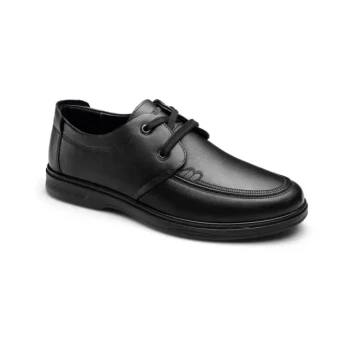
Industrial durability assurance depends on a rigorous combination of destructive mechanical testing and high-precision visual monitoring. To ensure longevity in mass-produced footwear, manufacturers utilize heavy-duty equipment to perform tens of thousands of flex cycles on outsoles and test the tear strength of uppers, while simultaneously employing online vision systems to catch assembly errors like adhesive overflow.
Core Takeaway: Consistency in mass production is achieved by stress-testing raw materials to the point of failure and utilizing advanced visual aids—both automated and environmental—to eliminate assembly defects before they leave the factory.
Validating Raw Materials Through Stress
Simulating Real-World Wear
To guarantee a shoe will last, manufacturers do not rely on estimates. They use industrial physical performance testing equipment to perform tens of thousands of flex cycles on outsole materials.
This process mimics the repetitive bending action of walking or running. It identifies cracking or material fatigue long before the product reaches the consumer.
Testing Structural Integrity
Durability is often defined by how well the shoe holds together under pressure. Testing protocols specifically measure the tear and peel strength of upper materials.
This ensures that fabrics, leathers, and synthetic components will not rip or separate from the sole when subjected to lateral movements or sudden force.
Ensuring Assembly Precision
Automated Vision Inspection
Even high-quality materials can fail if assembled poorly. Manufacturers use online vision inspection systems to monitor the molding process in real-time.
These systems continually scan for specific defects, such as adhesive overflow or misalignment. Catching these errors immediately prevents structural weak points that could lead to delamination later.
The Role of Environmental Control
While machines handle the heavy lifting, human oversight remains critical for tasks like fine sewing. High-precision industrial lighting is a key technical factor in maintaining consistency across large-scale orders.
Proper illumination reduces visual fatigue for workers performing high-intensity inspections. By ensuring uniform visibility, manufacturers significantly reduce the defect rate in intricate finishing tasks.
Understanding the Limitations
Destructive Testing vs. Total Inspection
It is important to recognize that physical performance testing (like tearing or flexing) is destructive. Therefore, it can only be performed on a sample basis, not on every single unit.
Automated vs. Human Detection
Automated vision systems are excellent for detecting contrast issues like glue overflow. However, they may struggle with subjective quality metrics, which is why optimized lighting for human inspectors remains a necessary backup.
Making the Right Choice for Your Goals
To apply these quality control principles effectively, you must align your testing method with your specific objective.
- If your primary focus is raw material longevity: Prioritize rigorous mechanical testing, specifically flex cycles and peel strength tests, to establish a baseline for material endurance.
- If your primary focus is aesthetic and assembly consistency: Invest in online vision inspection systems and high-quality industrial lighting to minimize manufacturing defects and visual variations.
By integrating mechanical stress tests with precise visual monitoring, manufacturers ensure that every production batch meets strict durability benchmarks and protects the brand's reputation.
Summary Table:
| Quality Control Method | Testing Mechanism | Key Performance Metric |
|---|---|---|
| Mechanical Flex Testing | Tens of thousands of flex cycles | Outsole crack resistance & material fatigue |
| Structural Strength Tests | Tear and peel strength measurement | Upper material integrity & bonding durability |
| Online Vision Systems | Real-time automated scanning | Detection of adhesive overflow & misalignment |
| Environmental Control | High-precision industrial lighting | Reduction of human error in intricate finishing |
Partner with 3515 for Guaranteed Footwear Durability
As a premier large-scale manufacturer serving global distributors and brand owners, 3515 integrates rigorous industrial testing with advanced quality control to protect your brand reputation. From our flagship Safety Shoes series to high-performance tactical boots, outdoor gear, and dress shoes, we offer comprehensive production capabilities tailored to your bulk requirements.
Our Value to You:
- Certified Durability: Every batch undergoes strict mechanical stress tests for maximum longevity.
- Precision Manufacturing: Our online vision systems and optimized assembly lines minimize defects.
- Scalable Solutions: Diverse footwear portfolio ranging from sneakers to formal wear.
Ready to elevate your product standards? Contact us today to discuss your manufacturing needs!
References
- Ogbonnaya Ukeh Oteh, Emmanuel Onyedikachi Ahaiwe. Celebrity endorsement in African context: TEARS model approach. DOI: 10.1108/rege-07-2021-0110
This article is also based on technical information from 3515 Knowledge Base .
Related Products
- Wholesale Lightweight Cushioned Athletic Sneakers for Custom Bulk Production
- Wholesale Breathable & Cushioned Training Shoes Custom Factory Production
- Lightweight Breathable Training Shoes for Wholesale & Custom OEM Manufacturing
- Durable High-Ankle Tactical Boots Wholesale Manufacturer for Custom & Bulk Orders
- Durable Leather Work Boots for Wholesale & Custom Manufacturing
People Also Ask
- What is the primary role of shoes in physical activities? Protection, Support & Performance
- In what ways do high-performance Athletic Shoes support stability and proprioception? Enhance Your Movement Precision
- Why is it important to wear proper footwear during sports activities? Prevent Injury & Boost Performance
- How do specialized lightweight foam midsole materials contribute to the performance and safety of athletic shoes?
- What materials are best for athletic activities in warm climates? Stay Cool with Moisture-Wicking Fabrics