Performing multi-point inspections using a precision Shore Durometer is the only reliable method to verify that finished shoe soles meet strict hardness specifications, such as Shore A 72. This rigorous testing creates a verified material baseline, ensuring that every sample is chemically and physically consistent before further performance analysis begins.
Core Takeaway Material hardness is a critical physical parameter that directly dictates slip risk. By validating hardness consistency across samples, researchers ensure that any observed variations in friction performance are the result of geometric tread design, not invisible inconsistencies in the material itself.
Establishing a Reliable Material Baseline
Isolating Geometric Variables
In comparative studies of shoe soles, the goal is often to determine how different tread patterns affect grip and safety. However, friction is influenced by both the shape of the tread and the substance of the sole.
If the material hardness varies between samples, it introduces "noise" into the data. Multi-point inspection eliminates this variable. It confirms that the rubber mix is identical across all test subjects.
Confirming Scientific Validity
When a researcher claims a specific tread design offers better traction, that claim must be defensible.
By using a durometer to certify that all samples share the same hardness (e.g., Shore A 72), the researcher validates the experiment. This proves that performance gains are derived solely from geometric structures rather than accidental variances in the rubber curing process.
The Physics of Hardness and Safety
The Link to Slip Risk
Hardness is not merely a quality control metric; it is a functional predictor of safety. The "Shore A" rating indicates how much the material resists indentation.
This physical parameter fundamentally alters how the sole interacts with the ground. A variance in hardness changes the coefficient of friction. Therefore, precise measurement is necessary to accurately predict and control slip risk in the final product.
Verifying Uniformity
A single-point test is often insufficient for complex shapes like shoe soles. Multi-point inspections ensure the material is consistent across the entire surface of the sole.
This detects inconsistencies that might occur during manufacturing, such as uneven curing or material segregation.
Understanding the Trade-offs
The Scope of Measurement
While the Shore Durometer is the industry standard for this application, it is important to recognize its specific utility.
It measures indentation hardness, which correlates with stiffness and modulus. However, it does not directly measure the chemical composition. It acts as a proxy: if the hardness is consistent, we infer the material processing was consistent.
The Necessity of Precision
Relying on "feel" or visual inspection is inadequate for scientific research.
A difference of a few points on the Shore A scale can impact slip resistance data. Consequently, the trade-off for high-quality data is the time investment required to perform rigorous, multi-point verification on every sample.
Ensuring Accuracy in Your Analysis
To derive meaningful conclusions from your shoe sole testing, you must prioritize variable isolation.
- If your primary focus is Tread Design Research: Use the durometer to prove that all samples are materially identical, ensuring your friction data reflects geometry, not rubber variance.
- If your primary focus is Quality Assurance: Implement multi-point inspections to verify that production batches meet the specific slip-risk criteria defined by your hardness baselines (e.g., Shore A 72).
Rigorous input verification is the only path to reliable output performance.
Summary Table:
| Inspection Parameter | Purpose | Key Benefit |
|---|---|---|
| Material Hardness | Validates Shore A specifications | Ensures consistent material baseline |
| Multi-Point Testing | Detects uneven curing/segregation | Verifies uniformity across complex shapes |
| Variable Isolation | Separates geometry from material | Confirms friction data reflects tread design |
| Slip Risk Control | Predicts surface interaction | Enhances final product safety and reliability |
Partner with a Manufacturer Dedicated to Precision Quality
As a large-scale manufacturer serving distributors and brand owners worldwide, 3515 understands that high-performance footwear begins with rigorous material standards. Our comprehensive production capabilities ensure that every pair—from our flagship Safety Shoes to tactical boots, outdoor gear, and formal footwear—undergoes strict quality control to meet your bulk requirements.
By choosing 3515, you benefit from:
- Scientific Consistency: We utilize precision testing to ensure material uniformity across all footwear types.
- Proven Performance: Our expertise in Shore hardness and slip-risk management protects your brand's reputation.
- Scalable Solutions: From sneakers to specialized work boots, we deliver top-tier manufacturing at scale.
Ready to elevate your footwear line with a partner who prioritizes technical excellence? Contact us today to discuss your production needs!
References
- Shubham Gupta, Arnab Chanda. Frictional Characteristics of Progressively Worn Footwear Outsoles on Slippery Surfaces. DOI: 10.24874/ti.1434.01.23.05
This article is also based on technical information from 3515 Knowledge Base .
Related Products
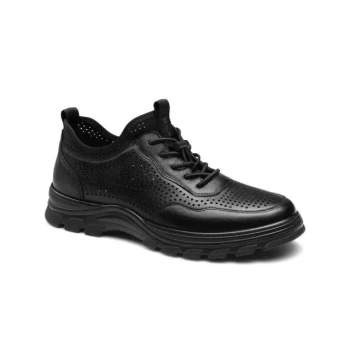
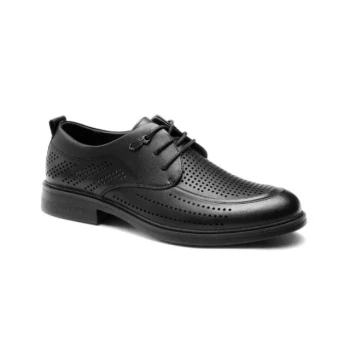
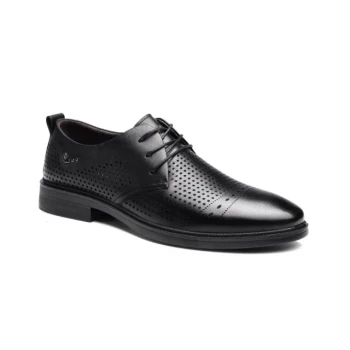
- Wholesale Modern Perforated Leather Derby Shoes with Chunky Sole for Custom Branding
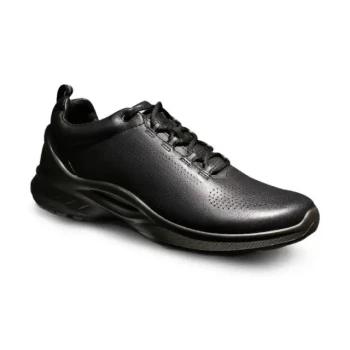
- Wholesale Breathable Perforated Leather Derby Shoes with Modern Comfort Sole
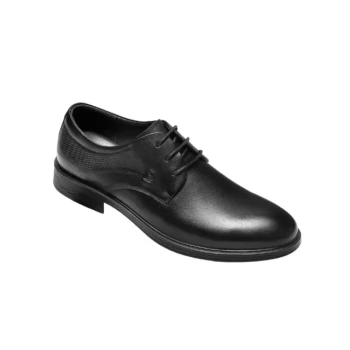
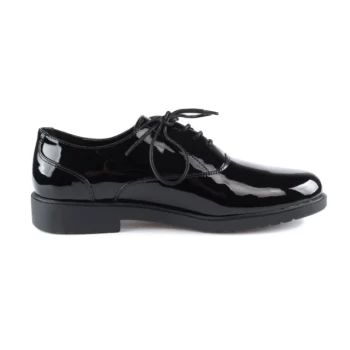
- Wholesale Leather Derby Dress Shoes Custom Manufacturer for Brands
- Wholesale Modern Comfort Shoes with Dial Closure for Private Label & Bulk Orders
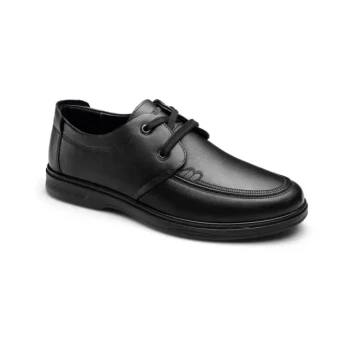
- Wholesale Leather Apron Toe Derby Shoes Custom Factory Production
People Also Ask
- What historical figure is associated with the Derby shoe? The Earl of Derby's Comfort Revolution
- How do Derby shoes fit into business casual attire? Master the Perfect Balance of Professional Style
- What is the main difference between Derby Shoes and Oxford Shoes? It's All in the Lacing.
- What are the features and appropriate occasions for wearing derby shoes? A Guide to Versatile Style
- What are Derbies and how do they differ from Oxfords? A Guide to Lacing and Formality