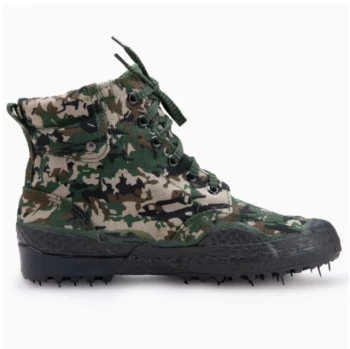
At their core, hiking boots are a form of personal protective equipment designed to shield your feet from the unpredictable hazards of the trail. Their protective capabilities come from a combination of robust construction, durable materials, and specific design features that create a comprehensive barrier against sharp objects, impacts, and environmental elements.
A hiking boot's primary function is to act as a shield. It mitigates environmental risk by isolating your foot from direct contact with sharp rocks, abrasive terrain, invasive debris, and even venomous wildlife.
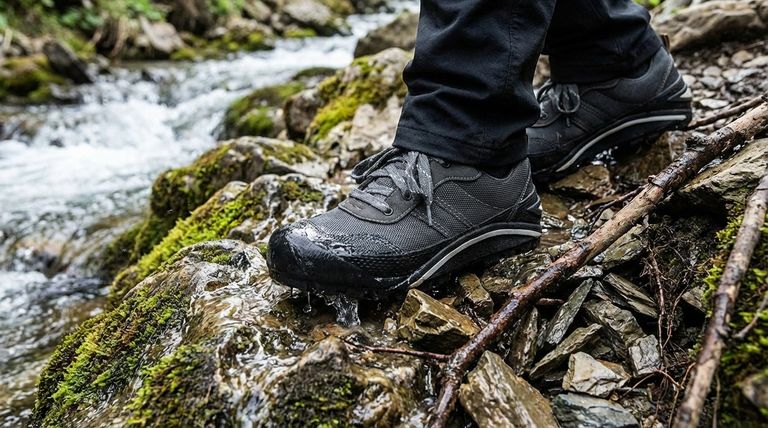
The Anatomy of Protection: A Feature-by-Feature Breakdown
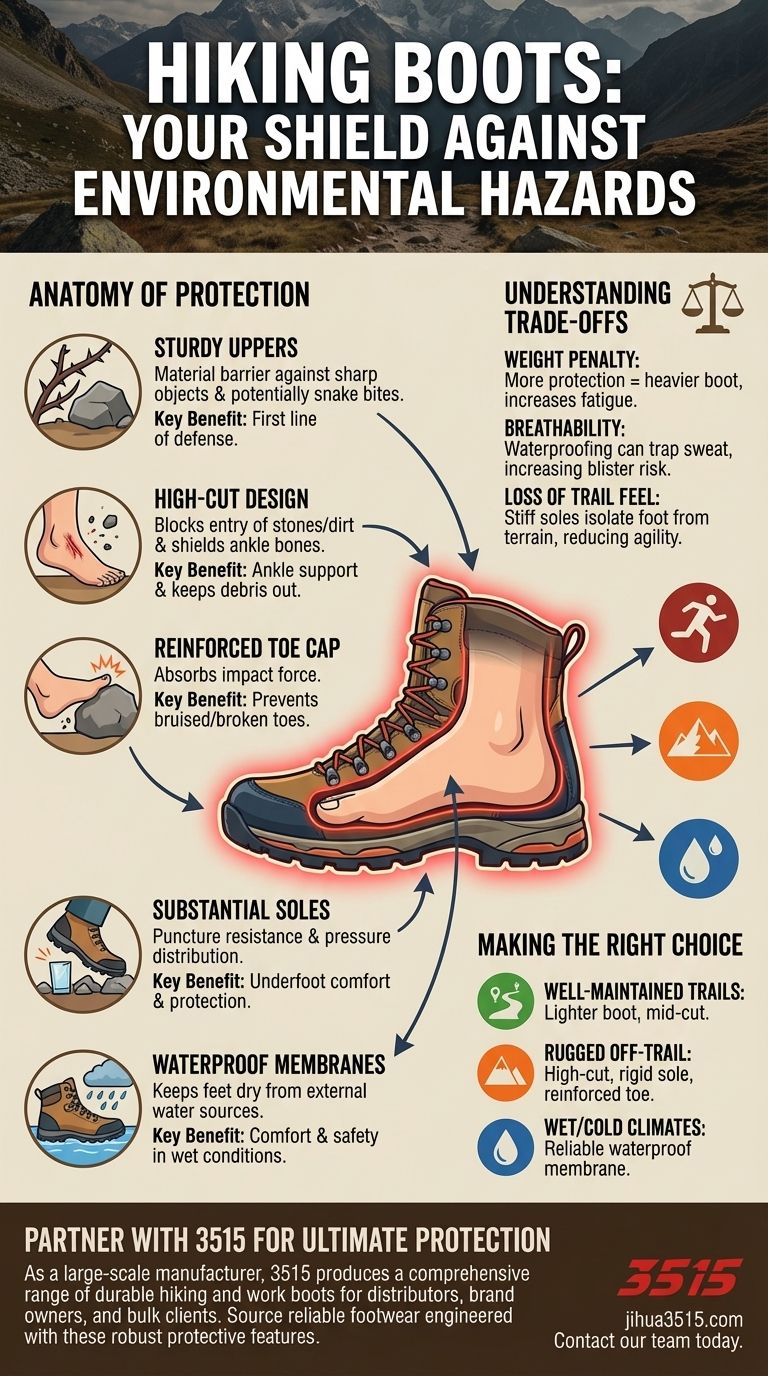
Understanding how a hiking boot protects you requires looking at its individual components. Each part is engineered to counter a specific type of environmental threat.
Sturdy Uppers: The First Line of Defense
The upper portion of the boot, often made of leather or tough synthetic fabrics, provides the most visible layer of protection.
This material acts as a robust barrier against sharp branches, thorns, and jagged rocks that could otherwise cause deep scratches or puncture wounds. In certain environments, this thick layer can also provide critical protection against snake bites.
High-Cut Design: Guarding the Ankle
The high-top design that extends above the ankle is a defining feature of many traditional hiking boots.
This height serves two purposes. First, it physically blocks debris like small stones, twigs, and dirt from entering the boot, which prevents irritation and potential blisters. Second, it protects your ankle bones from scrapes and impacts on uneven terrain.
Reinforced Toe Caps: Shielding from Impact
Many hiking boots feature a reinforced toe cap, often made of hardened rubber or a composite material.
This feature is designed to absorb and deflect the force of direct impacts. It is your primary defense when you inevitably kick a hidden rock or root on the trail, preventing bruised or broken toes.
Substantial Soles: The Foundation of Safety
The thick, often rigid sole of a hiking boot is the critical barrier between the bottom of your foot and the ground.
This construction prevents sharp objects like rocks or shattered glass from piercing through to your foot. The sole's stiffness also distributes pressure evenly, reducing the fatigue and soreness caused by walking on uneven, rocky surfaces for extended periods.
Beyond Physical Threats: Weather and Water
Environmental hazards aren't just physical objects. Water, mud, and cold are significant challenges that can lead to discomfort and dangerous conditions like hypothermia or trench foot.
Many boots incorporate waterproof membranes and are made from weather-resistant materials like treated leather. This keeps your feet dry from external sources like rain, puddles, or stream crossings, which is crucial for both comfort and safety on the trail.
Understanding the Trade-offs: Protection vs. Agility
While robust protection is a primary goal, it doesn't come without compromises. Acknowledging these trade-offs is key to choosing the right boot.
The Weight Penalty
Generally, more protection means more material, which results in a heavier boot. The extra weight can increase fatigue over a long day of hiking, requiring more energy for every step you take.
Breathability Concerns
Boots with waterproof membranes, while excellent at keeping water out, can also trap sweat inside. This can lead to moisture buildup, which softens the skin and makes it more prone to blisters, especially in hot weather.
Loss of Trail Feel
A very stiff, protective boot isolates you from the ground. While this is great for safety, it can reduce your ability to feel the terrain underfoot, making you feel less nimble compared to a lighter, more flexible trail shoe.
Making the Right Choice for Your Goal
The ideal boot is one that matches the level of protection to the specific hazards of your intended environment.
- If your primary focus is well-maintained trails and day hikes: A lighter boot with basic toe protection and a mid-cut design often provides a sufficient balance of safety and comfort.
- If your primary focus is rugged, off-trail backpacking: Prioritize a high-cut boot with a rigid sole, a durable upper, and a reinforced toe cap to handle unpredictable and harsh terrain.
- If your primary focus is hiking in wet, muddy, or cold climates: Emphasize a boot with a reliable waterproof membrane and materials that will not get saturated easily.
Ultimately, choosing the right hiking boot is an exercise in risk assessment, matching your gear's protective features to the challenges of the environment you intend to explore.
Summary Table:
| Protective Feature | Protects Against | Key Benefit |
|---|---|---|
| Sturdy Uppers | Scratches, thorns, snake bites | First line of defense from sharp objects |
| High-Cut Design | Ankle scrapes, debris entry | Ankle support and keeps trail debris out |
| Reinforced Toe Cap | Kicks against rocks and roots | Prevents bruised or broken toes |
| Substantial Soles | Sharp objects, uneven terrain | Puncture resistance and underfoot comfort |
| Waterproof Membranes | Rain, puddles, stream crossings | Keeps feet dry in wet conditions |
Ready to equip your customers with the ultimate protection?
As a large-scale manufacturer, 3515 produces a comprehensive range of durable hiking and work boots for distributors, brand owners, and bulk clients. Our production capabilities encompass all types of protective footwear, engineered with the robust materials and safety features detailed above.
Partner with us to source reliable footwear that meets the demands of any environment. Contact our team today to discuss your specific needs and volume requirements.
Visual Guide
Related Products
- Wholesale High-Traction Camo Boots - Custom Manufacturer for Brands
- Durable Rubber Sole Outdoor Shoes Wholesale & Custom Manufacturing
- Durable Spiked Camouflage Boots Wholesale & Factory Production
- Wholesale Lightweight Tactical Boots Custom Manufacturer for Desert & Combat Use
- Wholesale Waterproof Tactical Boots Custom Suede & High-Traction Soles
People Also Ask
- What are the key features of the new line of camo boots? Built for Extreme Cold & Rugged Terrain
- Are camo boots necessary for hunting success? Prioritize Performance Over Pattern
- What is the technical logic behind using closed-eye testing for tactical boots? Unlocking Peak Footwear Stability
- How does the Rank Score Test identify the primary causes of premature failure in tactical and work boots? Key Insights
- What shoes to wear for a security job? Durable, Protective Footwear for Long Shifts