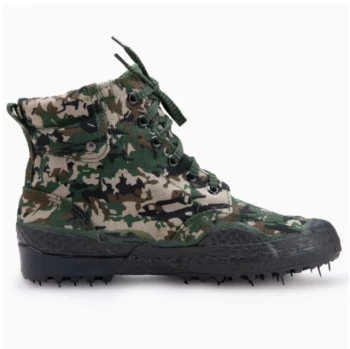
At its core, hiking boots improve traction through their specialized outsoles, which feature coarse, deeply structured patterns designed for anti-skidding. These soles are engineered from specific rubber compounds to provide a superior grip on loose, wet, and uneven ground where the smooth soles of regular shoes would fail.
The critical takeaway is that traction is not a single feature but a system. It's the result of a purpose-built outsole that combines an aggressive tread pattern, a specialized rubber compound, and a rigid structure to maximize contact and grip on unpredictable terrain.
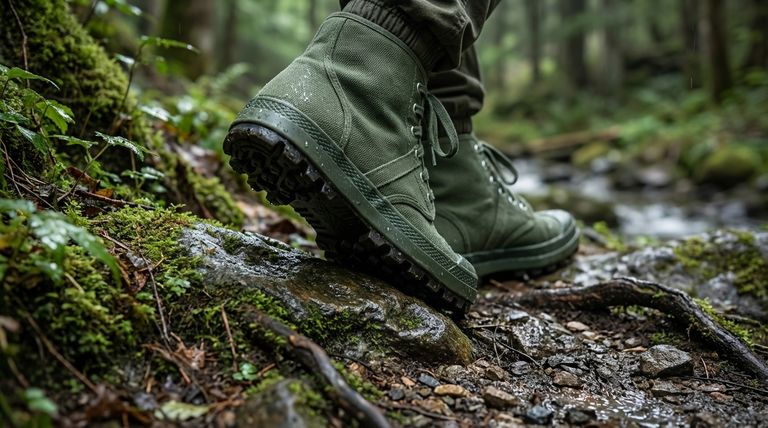
Deconstructing the Sole: The Source of Grip
The outsole of a hiking boot is where the engineering for traction takes place. Unlike a simple sneaker, every element is designed with the challenges of the trail in mind.
The Lug Pattern
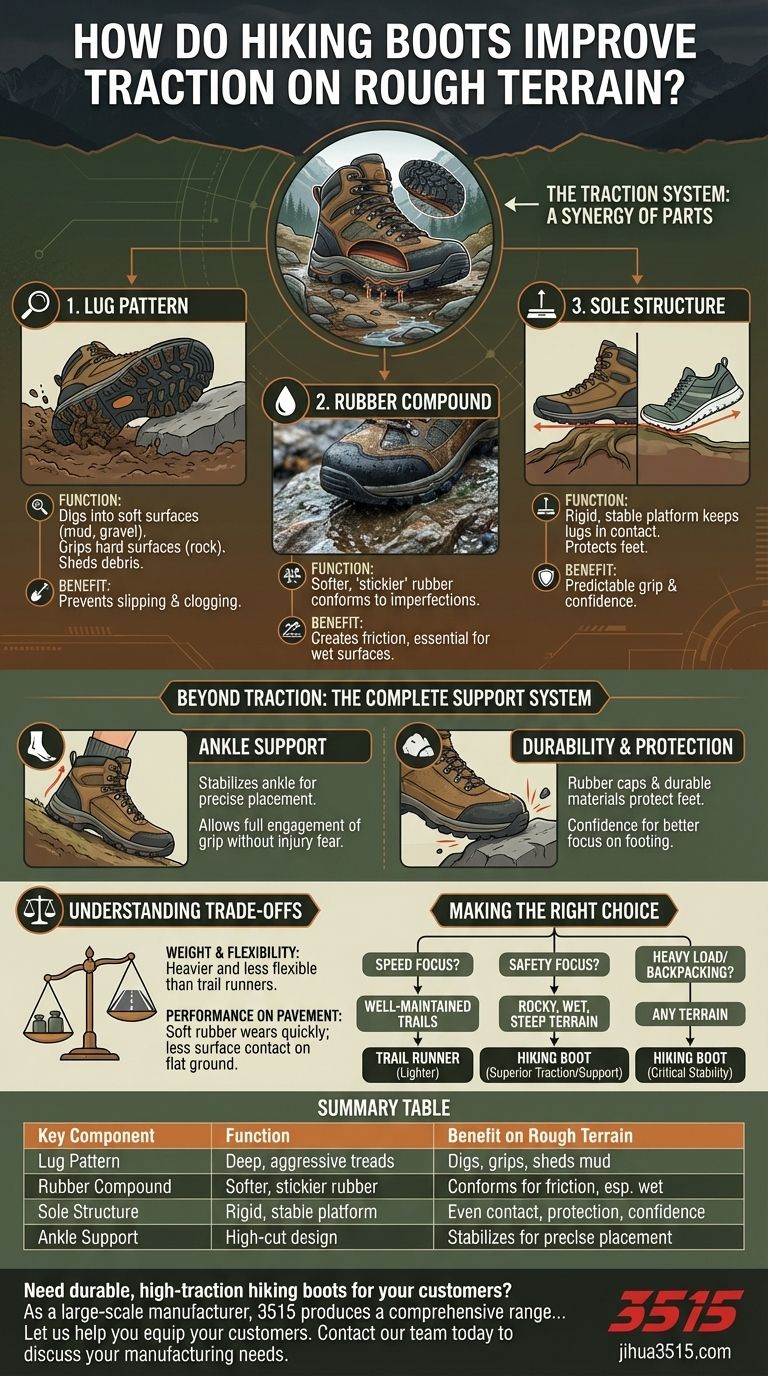
Lugs are the deep, heavy-duty treads on the bottom of a hiking boot. They are the most visible component responsible for traction.
Their function is twofold: they dig into soft surfaces like mud, gravel, or snow, and they increase the surface area to grip hard surfaces like rock slabs. The spacing and shape of these lugs are designed to shed mud and debris, preventing the sole from becoming clogged and slick.
The Rubber Compound
The material of the sole itself is a crucial, often overlooked, factor. Hiking boot outsoles use softer, "stickier" rubber compounds than typical athletic shoes.
This allows the rubber to conform to the microscopic imperfections on a rock's surface, creating friction and grip where a harder compound would slide. This is especially vital when navigating wet or slick rock faces.
The Overall Sole Structure
Hiking boots typically feature a much stiffer sole than a running shoe. This rigidity serves two purposes for traction.
First, it creates a stable, predictable platform. Your foot remains level, ensuring the lugs make even contact with the ground. A flimsy sole would bend over a root or rock, reducing the contact patch and compromising your grip.
Second, this stiffness protects your foot from sharp objects, allowing you to place your feet with more confidence and security.
Beyond Traction: The Complete Support System
While the outsole is the primary driver of grip, other features of the boot work in concert to ensure you can use that traction safely and effectively.
Ankle Support
On uneven ground, the risk of rolling an ankle is high. Most hiking boots feature a higher cut that braces the ankle joint.
This stability is directly linked to traction. A stable ankle allows for more precise and secure foot placement, ensuring you can fully engage the outsole's grip without fear of injury.
Durability and Protection
Features like rubber toe caps and durable upper materials protect your feet from impacts with rocks and roots.
This protection allows you to move with confidence, knowing a minor misstep won't result in an injury. This confidence translates to better focus on maintaining secure footing and traction.
Understanding the Trade-offs
The specialized design of a hiking boot is not without its compromises. Understanding these trade-offs is key to choosing the right footwear.
Weight and Flexibility
The robust soles, durable materials, and ankle support that provide superior traction and protection also add significant weight and reduce flexibility. For this reason, on simple, well-maintained trails, they can feel heavy and cumbersome compared to lighter trail running shoes.
Performance on Pavement
The soft, grippy rubber and deep lugs that excel on the trail are a disadvantage on pavement. The lugs provide less surface contact on flat ground, and the soft compound will wear down very quickly on abrasive surfaces like concrete or asphalt.
Making the Right Choice for Your Terrain
The best footwear is always the one that matches the demands of your environment and your goals.
- If your primary focus is speed on well-maintained trails: A lighter trail runner might provide sufficient grip without the weight of a full boot.
- If your primary focus is safety on rocky, wet, or steep terrain: The superior traction, support, and protection of a true hiking boot are non-negotiable.
- If your primary focus is backpacking with a heavy load: The rigid sole and ankle support of a boot become critical for preventing injury and maintaining stability, regardless of the terrain's difficulty.
Ultimately, understanding how a boot generates traction empowers you to choose the right tool for the job.
Summary Table:
| Key Component | Function | Benefit on Rough Terrain |
|---|---|---|
| Lug Pattern | Deep, aggressive treads | Digs into soft ground, grips hard surfaces, sheds mud |
| Rubber Compound | Softer, stickier rubber | Conforms to rock surfaces for friction, especially when wet |
| Sole Structure | Rigid, stable platform | Ensures even lug contact, protects foot, provides confidence |
| Ankle Support | High-cut design | Stabilizes ankle for precise foot placement and injury prevention |
Need durable, high-traction hiking boots for your customers?
As a large-scale manufacturer, 3515 produces a comprehensive range of high-performance footwear for distributors, brand owners, and bulk clients. Our production capabilities encompass all types of hiking boots and shoes, engineered with the advanced sole technology discussed in this article to ensure superior grip and durability on any terrain.
Let us help you equip your customers with the right footwear for the job. Contact our team today to discuss your manufacturing needs and bring reliable traction to your product line.
Visual Guide
Related Products
- Wholesale High-Traction Camo Boots - Custom Manufacturer for Brands
- Durable Rubber Sole Outdoor Shoes Wholesale & Custom Manufacturing
- Durable Spiked Camouflage Boots Wholesale & Factory Production
- Wholesale Lightweight Tactical Boots Custom Manufacturer for Desert & Combat Use
- Wholesale Waterproof Tactical Boots Custom Suede & High-Traction Soles
People Also Ask
- What are the key features of the new line of camo boots? Built for Extreme Cold & Rugged Terrain
- Are camo boots necessary for hunting success? Prioritize Performance Over Pattern
- How does the Rank Score Test identify the primary causes of premature failure in tactical and work boots? Key Insights
- What is the technical logic behind using closed-eye testing for tactical boots? Unlocking Peak Footwear Stability
- What shoes to wear for a security job? Durable, Protective Footwear for Long Shifts