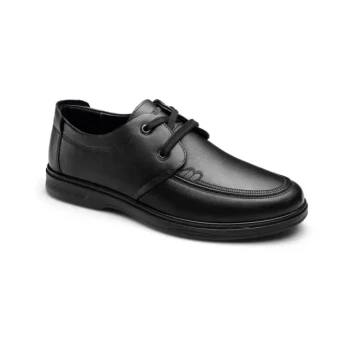
Energy efficiency programs fundamentally reshape footwear production by compelling manufacturers to upgrade high-consumption processes like molding, vulcanization, and assembly. To comply, factories must transition from traditional methods to high-efficiency automation and optimized temperature control solutions, directly reducing carbon dioxide emissions per pair while lowering long-term operating costs.
The shift toward energy efficiency is not just about reducing power bills; it is a strategic evolution toward industrial-grade automation. By integrating precise temperature and pressure controls, manufacturers simultaneously lower their carbon footprint and secure their position within competitive green supply chains.
Targeting High-Consumption Production Stages
Energy efficiency programs specifically target the most energy-intensive phases of manufacturing. Upgrading these areas offers the highest return on investment regarding energy savings.
Optimizing Molding and Vulcanization
Molding and vulcanization are traditionally the largest consumers of thermal energy in a footwear factory.
Efficiency programs require the adoption of advanced equipment that minimizes heat loss. This ensures energy is consumed only for the chemical processes required to set the shoe materials, rather than being wasted as ambient heat.
Refining Assembly Operations
The assembly phase is shifting away from low-efficiency manual processes.
By implementing high-efficiency automation, manufacturers can streamline the assembly line. This reduces the idle time of machinery and ensures steady throughput, preventing energy spikes associated with stopping and starting production lines.
Implementing Temperature Control Solutions
Precise temperature management is critical for both energy savings and product integrity.
Newer systems utilize optimized temperature control solutions to maintain exact heat levels. This prevents the "overheating and cooling" cycles that plague older equipment, significantly stabilizing energy consumption.
The Role of Automation in Efficiency
While the primary goal of these programs is energy reduction, the vehicle for this change is industrial-grade automation. This creates a symbiotic relationship between efficiency and product quality.
Replacing Manual Inefficiency
Traditional manual processes are inherently variable and often energy-inefficient due to slower cycle times.
Industrial production lines utilize mechanization to standardize throughput. This transition eliminates the inconsistencies of manual labor, ensuring machinery runs at optimal energy loads.
Standardizing Cutting and Sewing
Automation brings precise path control to the cutting and sewing stages.
By standardizing these movements, machines use the exact amount of power necessary for each cut or stitch. This precision eliminates wasted motion and energy, contributing to the overall reduction in operational costs.
Enhancing Structural Consistency
Automated bottoming and pressure management ensure every shoe meets strict standards.
This consistency means fewer defects and rejected products. Reducing waste is a form of energy efficiency, as energy is not spent producing shoes that will eventually be discarded.
Understanding the Trade-offs
While the benefits of energy efficiency programs are clear, implementing them involves distinct challenges that must be managed objectively.
High Initial Capital Expenditure
Transitioning to high-efficiency automation requires a significant upfront investment.
Replacing legacy molding and vulcanization equipment is expensive. Manufacturers must balance this immediate cost against the long-term savings in operating expenses and energy bills.
Increased Technical Complexity
Automated systems with precise temperature controls are more complex than manual lines.
They require a higher level of maintenance and skilled operators. Factories must be prepared to invest in training or hiring technical staff capable of managing these sophisticated systems.
Making the Right Choice for Your Goal
The implementation of energy efficiency programs should align with your broader manufacturing objectives.
- If your primary focus is Cost Reduction: Prioritize refined energy management systems to lower daily operating costs and reduce waste.
- If your primary focus is Sustainability: Concentrate on upgrading molding and vulcanization stages to directly maximize the reduction of carbon dioxide emissions per pair.
- If your primary focus is Market Competitiveness: Leverage these upgrades to join green supply chain systems, positioning your brand as a preferred partner for eco-conscious clients.
By treating energy efficiency as a catalyst for automation, you upgrade not just your power consumption, but the entire caliber of your manufacturing output.
Summary Table:
| Production Stage | Primary Energy Focus | Efficiency Solution | Benefit |
|---|---|---|---|
| Molding & Vulcanization | Thermal Energy Waste | Advanced Heat Control | Lower CO2 & Energy Loss |
| Assembly Lines | Operational Idle Time | Industrial-Grade Automation | Consistent Throughput |
| Temperature Control | Energy Spikes | Precise Thermal Management | Stabilized Energy Loads |
| Cutting & Sewing | Power Motion Waste | Automated Path Control | Precision & Lower Op-Ex |
| Quality Control | Material Waste | Standardized Pressure Systems | Reduced Defects & Scrap |
Partner with 3515 for High-Efficiency Footwear Production
As a premier large-scale manufacturer serving global distributors and brand owners, 3515 leverages industrial-grade automation and optimized temperature control solutions to deliver superior footwear while minimizing environmental impact. Our comprehensive production capabilities allow us to scale across all categories, including our flagship Safety Shoes series, tactical boots, outdoor shoes, and formal dress shoes.
Our Value to You:
- Sustainability & Compliance: Seamlessly integrate into green supply chains with our energy-efficient manufacturing processes.
- Bulk Scalability: High-efficiency automation ensures consistent quality for large-scale orders of training shoes and sneakers.
- Cost-Effective Quality: Precision manufacturing reduces waste, translating to better value for your brand.
Ready to elevate your product line with a partner committed to manufacturing excellence? Contact us today to discuss your bulk requirements.
References
- Mainka Marcel Kurt, Serhii Zakharin. STRATEGIES OF SOCIALLY RESPONSIBLE MARKETING OF COMPANIES IN THE SPHERE OF SPORTS. DOI: 10.55643/fcaptp.2.49.2023.3988
This article is also based on technical information from 3515 Knowledge Base .
Related Products
- Wholesale Mesh Steel Toe Safety Shoes with Dial Closure Factory Production
- Wholesale Leather Apron Toe Derby Shoes Custom Factory Production
- Wholesale Lightweight Cushioned Athletic Sneakers for Custom Bulk Production
- Lightweight Breathable Training Shoes for Wholesale & Custom OEM Manufacturing
- Durable Leather Work Boots for Wholesale & Custom Manufacturing
People Also Ask
- What type of safety shoe is recommended for workers exposed to heavy machinery? Steel Toe Boots for Ultimate Protection
- Why is it mandatory to wear safety shoes with steel toe protection during metal loading? Prevent Crushing Injuries
- What are the main materials used in steel toe safety shoes? A Guide to Protective Footwear Construction
- What are the recommended uses for steel toe safety shoes? Essential Protection for High-Risk Industries
- Is the myth about steel toe shoes cutting off toes true? Debunking the Safety Footwear Myth