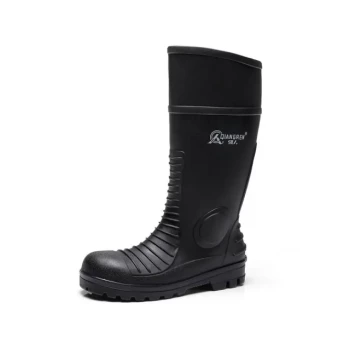
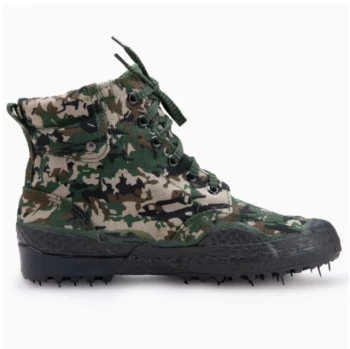
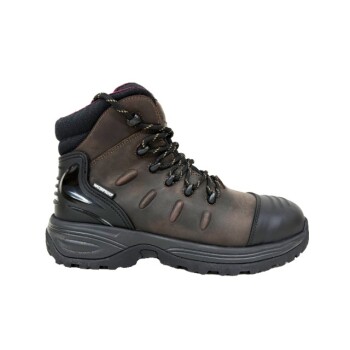
Algae-based EVA and rubber provide the foundation for high-performance waterproof boots by combining impenetrable moisture protection with lightweight, sustainable cushioning. These materials are inherently non-porous, ensuring total water resistance in standing water or mud while remaining exceptionally easy to clean. By utilizing this material synergy, manufacturers can produce footwear that maintains structural integrity across diverse terrains without the maintenance requirements of traditional leather.
The integration of rubber and algae-based EVA creates a dual-layer advantage: rubber offers a robust, waterproof exterior shield, while algae-based EVA provides the internal flexibility and impact absorption necessary for long-term comfort. For B2B distributors, this combination represents a durable, low-maintenance product that meets modern sustainability standards without sacrificing industrial-grade performance.
The Engineering Behind Waterproof Performance
Superior Moisture Barrier and Maintenance
Rubber is the gold standard for waterproofing because it is a non-porous material that remains effective even when submerged for extended periods. Unlike leather or synthetic fabrics, rubber does not require chemical post-treatments to maintain its barrier, making it ideal for swamps, creeks, and heavy mud. This surface density also ensures that the boots can be cleaned instantly with a standard water hose, reducing downtime for the end-user.
Lightweight Cushioning via Algae-based EVA
While rubber provides the shell, algae-based EVA (Ethylene-Vinyl Acetate) serves as the critical comfort component. EVA is significantly lighter than traditional rubber, adding essential flexibility and cushioning to the midsole and footbed. By sourcing EVA derived from algae biomass, brands can offer a high-performance, eco-conscious alternative that reduces the overall weight of the boot, preventing wearer fatigue during long shifts.
Thermal Regulation and Material Blending
To optimize performance in fluctuating temperatures, advanced manufacturing often involves blending rubber with neoprene. Neoprene, a specialized synthetic rubber, offers superior thermal regulation compared to pure rubber, which can become stiff in cold or overly conductive in heat. This composite approach ensures the boot remains comfortable and functional across a wider range of environmental conditions.
Strategic Advantages for Large-Scale Distribution
Supply Chain Stability and Heritage
Partnering with a manufacturer with a heritage dating back to 1951 ensures a level of technical expertise that newer facilities lack. Long-standing expertise in rubber vulcanization and EVA injection molding translates to consistent product quality across high-volume orders. For wholesalers, this historical reliability minimizes the risk of batch defects and strengthens the overall supply chain.
State-of-the-Art OEM/ODM Capabilities
Modern state-of-the-art equipment allows for the precise integration of algae-based materials into existing product lines. These advanced production techniques ensure that the bond between the rubber outsole and the EVA midsole is permanent and leak-proof. Comprehensive international certifications further validate that these materials meet the rigorous safety and environmental standards required for global retail.
Understanding the Trade-offs
Puncture Sensitivity vs. Surface Resistance
While rubber is impervious to water, it remains susceptible to sharp punctures from thorns or industrial debris. Once the surface is breached, the waterproof integrity is compromised, unlike leather which may maintain some resistance. However, for most outdoor and agricultural applications, the total water-block provided by rubber far outweighs this specific vulnerability.
Breathability and Moisture Management
Because these materials are non-porous, they do not "breathe" in the same way treated canvas or leather might. This can lead to internal moisture buildup from perspiration if not managed correctly. To mitigate this, high-end designs often incorporate moisture-wicking liners or utilize the thermal properties of neoprene to maintain a stable internal microclimate.
Making the Right Choice for Your Goal
When selecting a material composition for your product line, consider the specific environmental demands of your target market.
- If your primary focus is extreme durability in standing water: Prioritize high-content natural rubber outsoles with reinforced seams to ensure a long-lasting waterproof barrier.
- If your primary focus is lightweight comfort for active use: Opt for a higher ratio of algae-based EVA in the midsole to reduce weight while maintaining a sustainable brand narrative.
- If your primary focus is all-season temperature versatility: Specify a rubber and neoprene hybrid construction to provide the best balance of waterproofing and thermal insulation.
By leveraging these advanced materials through a proven, large-scale manufacturing partner, brands can deliver a superior outdoor boot that balances technical necessity with modern sustainability.
Summary Table:
| Material Component | Primary Performance Role | Key Advantage for Users |
|---|---|---|
| Natural Rubber | Impenetrable Outer Shell | 100% Waterproof & Easy to Clean |
| Algae-based EVA | Midsole & Footbed Cushion | Lightweight, Eco-friendly & Anti-fatigue |
| Neoprene Blends | Thermal Regulation | Versatile Performance in Extreme Temps |
| Vulcanized Seals | Structural Integrity | Leak-proof Durability for Heavy Use |
Scale Your Inventory with Heritage-Backed Manufacturing Excellence
As a large-scale manufacturer serving distributors and brand owners since 1951, 3515 offers comprehensive production capabilities across all footwear categories. Our flagship Safety Shoes series and outdoor tactical boots leverage advanced algae-based EVA and rubber technologies to meet the highest industrial standards.
Why Partner with 3515?
- Massive Production Scale: Robust supply chain stability for consistent, large-volume delivery.
- Premium OEM/ODM Services: State-of-the-art equipment to bring your custom designs to life.
- Global Standards: Comprehensive international certifications ensuring market readiness.
- Technical Heritage: Over 70 years of expertise in high-performance footwear engineering.
Ready to enhance your product line with sustainable, high-performance waterproof boots? Contact our expert team today to discuss your bulk requirements and custom manufacturing needs.
Related Products
- Wholesale Waterproof Tactical Boots Custom Suede & High-Traction Soles
- High Performance Fire-Retardant Waterproof Safety Boots
- Premium Flame-Retardant Waterproof Safety Boots and Shoes
- Wholesale Premium Waterproof Nubuck Safety Shoes Boots
- Durable Waterproof Rain Boots | Custom Manufacturer for Wholesale & Brands
People Also Ask
- What waterproof technology is used in tactical boots? Unlock All-Weather Performance & Protection
- What are the advantages and disadvantages of waterproof tactical boots? A Guide to the Key Trade-Offs
- What is the significance of waterproof functionality in tactical boots? Essential for Health & Performance
- What is the role of professional 3D medical imaging software in optimizing tactical boot design and performance?
- What features enhance breathability and comfort in tactical boots? A Guide to Superior Footwear Performance