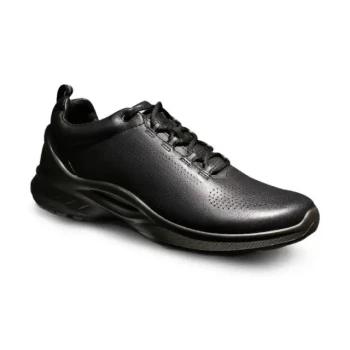
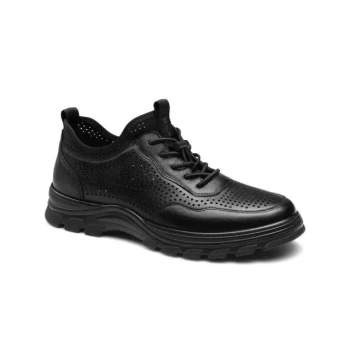
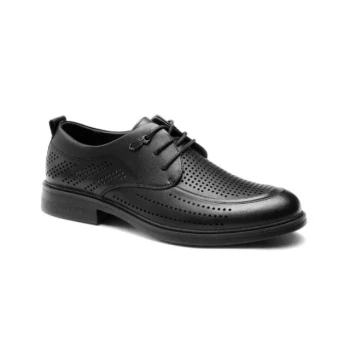
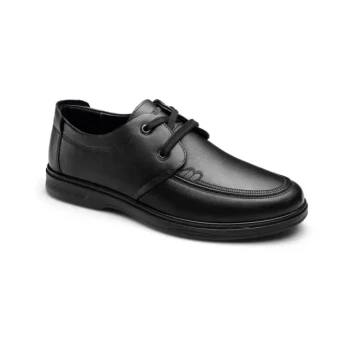
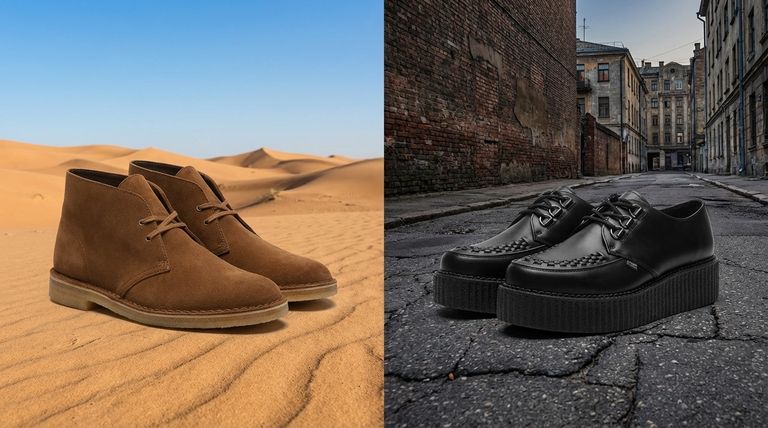
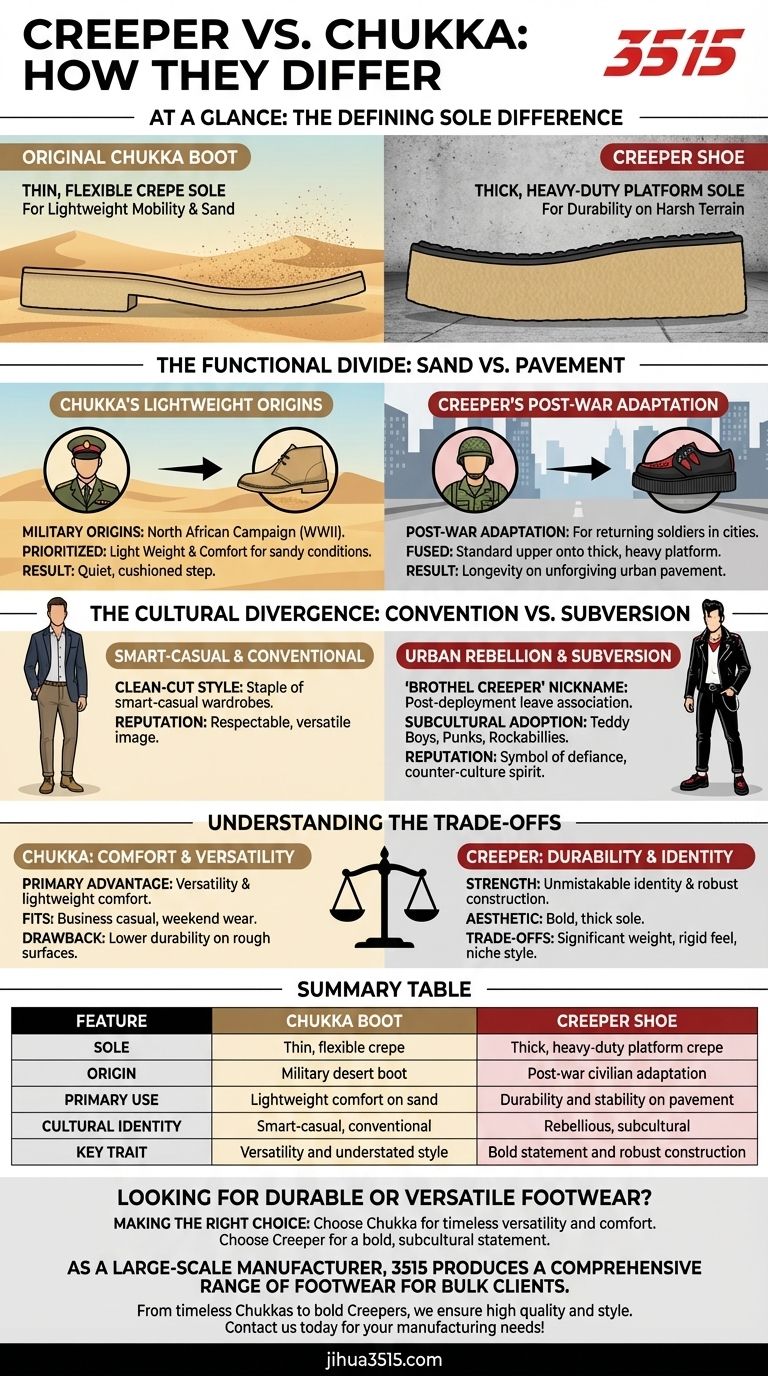
At a glance, the most defining difference between the Creeper shoe and the original Chukka boot is its sole. The Creeper was engineered with a noticeably thick, heavy-duty crepe sole for durability on harsh terrain, while the Chukka maintained a much thinner, more flexible profile. This single design choice stemmed from different origins and created two entirely distinct cultural identities.
The core distinction is not merely aesthetic but one of purpose and identity. The Chukka boot was designed for lightweight mobility in the desert, while the Creeper was a robust, post-war civilian adaptation that became a symbol of urban rebellion.
The Functional Divide: Sand vs. Pavement
The fundamental differences between these two shoe styles are rooted in the environments they were designed to conquer. One was for military officers in North Africa, the other for ex-soldiers on city streets.
The Chukka's Lightweight Origins
The Chukka boot is a minimalist, ankle-high boot with two or three eyelets. Its most famous variant, the Desert Boot, was developed for British officers in the North African Campaign of World War II.
Its design prioritized light weight and comfort in sandy conditions. The thin, pliable crepe sole offered a quiet, cushioned step perfect for the desert landscape.
The Creeper's Post-War Adaptation
After the war, soldiers returning to civilian life sought footwear that offered the same durability they were accustomed to. The Creeper shoe was created to meet this demand.
It featured a standard shoe upper fused onto a very thick, heavy platform-style crepe sole. This design was built for longevity on unforgiving urban pavement, not sand.
The Cultural Divergence: Convention vs. Subversion
While the functional differences are clear, the cultural paths these shoes took are even more distinct. Their respective reputations defined their legacies.
The "Brothel Creeper" Nickname
The Creeper quickly gained a notorious reputation. Soldiers wore these sturdy, quiet-soled shoes during their post-deployment leave, leading to the nickname "Brothel Creepers."
This association immediately infused the shoe with a rebellious, counter-culture spirit that stood in stark contrast to the Chukka's more respectable image.
Adoption by Subcultures
The Chukka and Desert Boot became staples of clean-cut, smart-casual style. The Creeper, however, was embraced by a series of non-conformist subcultures.
From the Teddy Boys of the 1950s to the Punks and Rockabillies of later decades, the Creeper became a visual shorthand for defiance and a rejection of mainstream fashion.
Understanding the Trade-offs
Choosing between these styles involves a clear trade-off between versatility and statement. Each shoe excels in a different context.
Chukka: Comfort and Versatility
The primary advantage of the Chukka is its versatility and comfort. It is lightweight, flexible, and stylistically adaptable, fitting easily into business casual or weekend wardrobes. Its main drawback is lower durability on very rough surfaces compared to a true work boot.
Creeper: Durability and Identity
The Creeper's strength lies in its unmistakable identity and robust construction. The thick sole provides exceptional durability and a bold aesthetic. Its trade-offs are significant weight, a more rigid feel, and a niche style that is intentionally not versatile.
Making the Right Choice for Your Goal
Your selection depends entirely on the purpose and statement you wish to make with your footwear.
- If your primary focus is timeless versatility and lightweight comfort: The Chukka boot is the undisputed choice for a wide range of smart-casual and classic looks.
- If your primary focus is making a bold, subcultural statement with maximum durability: The Creeper is the definitive shoe for expressing a rebellious, non-conformist identity.
Ultimately, choosing between them is a decision between understated convention and deliberate subversion.
Summary Table:
| Feature | Chukka Boot | Creeper Shoe |
|---|---|---|
| Sole | Thin, flexible crepe | Thick, heavy-duty platform crepe |
| Origin | Military desert boot for officers | Post-war civilian adaptation for durability |
| Primary Use | Lightweight comfort on sand | Durability and stability on pavement |
| Cultural Identity | Smart-casual, conventional | Rebellious, subcultural (e.g., Punk, Rockabilly) |
| Key Trait | Versatility and understated style | Bold statement and robust construction |
Looking for durable, statement-making footwear or versatile, classic boots?
As a large-scale manufacturer, 3515 produces a comprehensive range of footwear for distributors, brand owners, and bulk clients. Our production capabilities encompass all types of shoes and boots, from timeless Chukkas to bold Creepers, ensuring high quality and style for your market.
Contact us today to discuss your manufacturing needs and bring exceptional footwear to your customers!
Visual Guide
Related Products
- Wholesale Durable Camouflage Canvas Shoes with High-Traction Cleated Rubber Sole
- Lightweight Breathable Training Shoes for Wholesale & Custom OEM Manufacturing
- Durable Rubber Sole Outdoor Shoes Wholesale & Custom Manufacturing
- Wholesale Breathable Training Shoes Custom Athletic Footwear Manufacturer
- Custom OEM Training Shoes Wholesale Manufacturer Durable & Breathable
People Also Ask
- Why is the selection of high-strength fabric materials necessary in the production of canvas shoes and training shoes?
- What are the properties of canvas as a shoe material? A Guide to Lightweight Comfort & Style
- Can canvas shoes be worn in rainy conditions? The Truth About Water Resistance
- What are some examples of vulcanized shoes? Discover the Flexibility and Board Feel of Classic Sneakers
- What are the characteristics of canvas as a shoe material? A Guide to Lightweight, Breathable Footwear