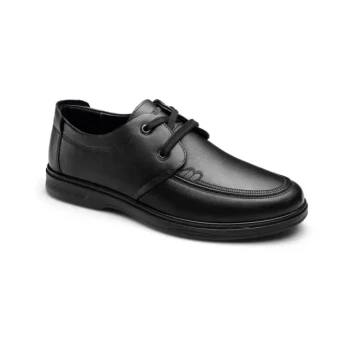
Optimization models utilize linear programming to treat leather inventory volume as a defining constraint rather than a passive resource. By mathematically analyzing the material consumption rates of different styles—comparing high-consumption items like tactical boots against lower-consumption short shoes—the model prioritizes production schedules to maximize the use of remaining leather, effectively reducing waste and inventory holding costs.
Core Takeaway: By shifting from simple demand-based scheduling to an inventory-constrained approach, manufacturers can strategically mix product styles to clear raw material stocks. This optimization ensures that specific leather types are matched with the styles that consume them most efficiently, lowering both waste and turnover costs.
The Strategy of Inventory-Constrained Planning
To solve the deep problem of waste in expensive, non-homogeneous natural materials, optimization models fundamentally change how production is sequenced.
Treating Volume as a Hard Constraint
In standard manufacturing, raw material is often ordered to fit the schedule. In optimized leather production, the current inventory volume dictates the schedule. Linear programming models set the available leather quantity as a primary limit, forcing the system to solve for the most efficient use of that specific volume.
Analyzing Consumption Differences
The model categorizes products based on their material footprint. It distinguishes between distinct consumption profiles, such as long tactical boots (high consumption) versus short leather shoes (low consumption). By understanding these variables, the system can identify which combination of products will result in the least amount of leftover scrap.
Prioritizing for Maximum Usage
Once profiles are established, the algorithm prioritizes production tasks that maximize the consumption of the remaining leather stock. This prevents "orphaned" inventory—small, unusable amounts of expensive leather left behind—and directly lowers inventory turnover costs.
Integrating Tooling Economics
While material utilization is the primary goal, true optimization must account for the physical tools required to cut and shape that material.
Incorporating Tooling Costs
Industrial footwear manufacturing requires specific cutting dies and molding tools for every style and size. Optimization models introduce tooling expenses as cost variables within the equation. This ensures that a plan to save leather does not inadvertently spike costs by requiring expensive, under-utilized equipment.
Balancing Depreciation and Output
The model weighs the depreciation costs of molds against the expected returns from the leather goods produced. It calculates whether the value generated by using a specific die justifies the wear on that tool.
Guiding Investment Decisions
Beyond daily scheduling, these models inform high-level management strategy. They provide data-driven guidance on whether to invest in new tooling or optimize production sequences using existing configurations to ensure every equipment investment yields maximum output value.
Understanding the Trade-offs
Optimization is rarely a zero-sum game; increasing material efficiency often imposes pressures elsewhere in the production ecosystem.
Material Savings vs. Tooling Wear
Aggressively optimizing for leather utilization may require frequent switching between different shoe styles. This allows for better material usage but can accelerate the depreciation of molds and increase machine setup times, potentially offsetting material savings.
Mathematical Logic vs. Material Reality
Linear programming assumes a level of predictability. However, leather is a non-homogeneous natural material with inherent flaws and variations. A model might theoretically maximize usage based on volume, but physical defects in the hide may force deviations from the mathematical plan, requiring human intervention.
Making the Right Choice for Your Goal
To implement these models effectively, you must align the algorithm's objective function with your specific business priority.
- If your primary focus is Waste Reduction: Configure the model to prioritize the production of high-consumption styles (like boots) to maximize the usage of available leather volume.
- If your primary focus is Total Cost Efficiency: Ensure the model weights tooling depreciation and mold costs equally with material costs to prevent saving on leather while overspending on equipment.
Success lies in using optimization not just to cut leather, but to mathematically balance the high cost of raw inventory against the operational realities of tooling.
Summary Table:
| Optimization Factor | Strategy | Impact on Production |
|---|---|---|
| Material Constraint | Treats inventory as a hard volume limit | Minimizes orphaned scrap and unused leather stock |
| Style Mixing | Balances high-consumption (boots) vs. low-consumption (shoes) | Maximize the consumption of remaining leather lots |
| Tooling Integration | Factors in mold depreciation and die costs | Ensures material savings don't increase equipment overhead |
| Objective Logic | Weights waste reduction against total cost | Provides data-driven guidance for high-level ROI decisions |
As a large-scale manufacturer serving distributors and brand owners, 3515 offers comprehensive production capabilities for all footwear types, anchored by our flagship Safety Shoes series. Our extensive portfolio covers work and tactical boots, outdoor shoes, training shoes, and sneakers, as well as Dress & Formal shoes to meet diverse bulk requirements. We leverage advanced manufacturing logic to ensure your orders are produced with maximum material efficiency and cost-effectiveness. Contact us today to discuss how our optimized production capabilities can enhance your brand’s supply chain and profitability.
References
- Muhammad Ahmed Kalwar, Hussain Bux Marri. Development of linear programming model for optimization of product mix and maximization of profit: case of leather industry. DOI: 10.4995/jarte.2022.16391
This article is also based on technical information from 3515 Knowledge Base .
Related Products
- Durable Leather Work Boots for Wholesale & Custom Manufacturing
- Wholesale Leather Apron Toe Derby Shoes Custom Factory Production
- Wholesale Women's Leather Derby Shoes Custom Factory Production
- Durable Leather High-Ankle Tactical Boots for Wholesale & Custom Manufacturing
- Durable Leather Moc Toe Work Boots for Wholesale & Custom Manufacturing
People Also Ask
- What is the difference between full-grain and top-grain leather? Premium Material Guide for Boot Manufacturers
- What are the common workplace hazards that can be mitigated with the right work boots? Protect Your Workforce
- What are the common foot issues workers face due to uncomfortable work boots? Prevent Pain & Deformities
- What are the advantages of leather versus synthetic work boots? A Guide to Choosing the Right Material
- What are the key components of modern work boots? Engineered for Ultimate Durability and Comfort