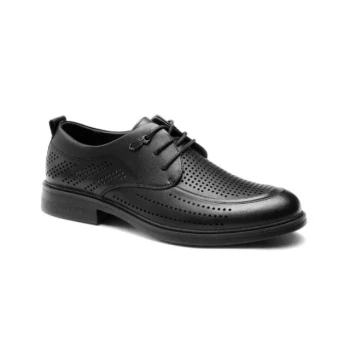
To guarantee comfort in your evening shoes, the most critical steps are to test them thoroughly before your event, break them in gradually, and verify they have adequate padding at key pressure points. This preparation transforms your footwear from a potential liability into a source of confidence, allowing you to enjoy the occasion fully.
True comfort for an evening event isn't about finding a "magic" shoe. It's about a practical process: prioritizing the right structure and materials for the event's demands, and then actively preparing the shoes for extended wear.
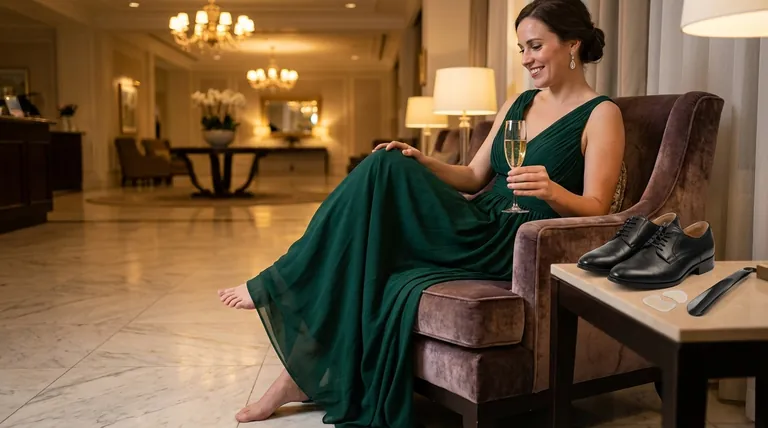
The Foundation: Aligning the Shoe with the Event
Before you even consider a specific shoe, the context of the event itself will dictate your most comfortable options. Ignoring this first step is the most common path to discomfort.
Assess the Venue and Duration
Will you be standing for hours at a cocktail reception or mostly seated for a dinner? An event with dancing on a hard floor requires a different shoe than a short ceremony on a soft lawn.
The longer the event, the more critical features like a lower heel and better cushioning become.
Consider Heel Height and Type
A sky-high stiletto and a modest block heel place vastly different stresses on your feet.
Stilettos concentrate pressure on the ball of the foot, while block heels or wedges distribute your weight more evenly, offering significantly greater stability and endurance.
Match the Shoe to the Dress Length
A floor-length gown can easily conceal a more sensible and comfortable wedge or block heel.
Shorter dresses make the shoe a focal point, but this doesn't mean you must sacrifice comfort. A well-designed, lower heel can be just as elegant.
Evaluating a Shoe's Physical Construction
The materials and build quality of a shoe are direct predictors of its comfort. A beautiful shoe with poor construction will fail you every time.
Look for Quality Materials
High-quality shoes are often made of leather or other materials that have a small amount of give, allowing them to mold to your foot over time.
Avoid shoes with extremely rigid, unforgiving synthetic materials, as they are a primary cause of blisters and rubbing.
Check for Internal Padding
A key indicator of a comfortable design is built-in padding. Press your thumb into the insole, especially at the ball of the foot and the heel.
A quality shoe will have noticeable cushioning in these high-pressure zones. If it feels hard and flat, it will offer little support.
The Importance of Sole Construction
Well-made dress shoes often feature stitched soles (like Blake or Goodyear welt construction), which provide a durable and flexible foundation that supports your foot's natural movement.
Shoes with soles that are simply glued on often lack structural integrity and proper arch support, leading to faster foot fatigue.
The Critical Pre-Event Preparation
Never wear a new pair of shoes for the first time to an important event. A structured trial run is essential for identifying and solving problems before they can ruin your night.
Conduct an "At-Home" Trial
Wear the shoes inside your home for at least one full hour a few days before the event. Walk around on different surfaces if possible.
This initial test will immediately reveal any obvious rubbing, pinching, or pressure points that need to be addressed.
Break Them In Gradually
After the initial trial, wear the shoes for shorter periods (20-30 minutes at a time) on the days leading up to the event.
This process, known as breaking in the shoes, gently stretches the material and allows it to conform to the unique shape of your feet.
Identify and Address Pressure Points
During your trials, pay close attention to any "hotspots." These are areas where you feel friction or excessive pressure.
Proactively apply gel pads, moleskin, or other cushions to these specific areas before you leave for the event.
Understanding the Trade-offs
Making an informed decision requires acknowledging the inherent balance between aesthetics and functional comfort.
Style vs. Endurance
The most dramatic, high-fashion stiletto is rarely the most comfortable choice for a five-hour event with dancing.
Be realistic about the event's physical demands. A slightly lower or thicker heel can add hours to your comfort level with minimal impact on your overall look.
The Myth of "Pain-Free" Heels
The goal is to eliminate sharp, distracting pain from blisters and excessive pressure. It is not to make a four-inch heel feel like a slipper.
Even a perfectly fitted heel will cause some muscle fatigue over a long evening. The key is to manage and minimize acute discomfort.
Color Coordination and Comfort
While coordinating shoe color with your dress is important—black for versatility, silver for pastels, gold for dark tones—this choice must come after you've confirmed a comfortable fit.
Never let a perfect color match convince you to buy an ill-fitting or poorly constructed shoe.
Making the Right Choice for Your Goal
Use this framework to prioritize your selection based on the specifics of your evening.
- If your primary focus is dancing and socializing for hours: Opt for a block heel or a lower stiletto (under 3 inches) and prioritize a shoe with visible padding and flexible material.
- If your primary focus is a high-fashion statement for a shorter event: You can consider a higher heel, but a pre-event trial run to identify and pad pressure points is non-negotiable.
- If your primary focus is navigating varied surfaces (like an outdoor wedding): A wedge or a substantial block heel is the most practical and stable choice to prevent sinking into soft ground.
A thoughtful selection process ensures your focus remains on the event, not on your feet.
Summary Table:
| Step | Key Action | Why It Matters |
|---|---|---|
| 1 | Align shoe with event (venue, duration) | Matches footwear to physical demands |
| 2 | Evaluate heel type & materials | Ensures stability and reduces pressure |
| 3 | Test and break in shoes pre-event | Identifies and resolves fit issues early |
| 4 | Address pressure points with padding | Prevents blisters and discomfort during wear |
As a large-scale manufacturer, 3515 produces a comprehensive range of footwear for distributors, brand owners, and bulk clients. Our production capabilities encompass all types of shoes and boots, ensuring superior comfort, durability, and style for any occasion.
Ready to offer your customers event-ready footwear that combines elegance with lasting comfort? Contact us today to discuss custom manufacturing solutions tailored to your market needs.
Visual Guide

Related Products
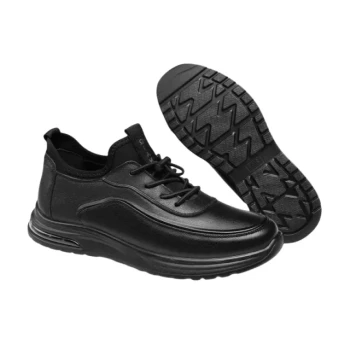
- Wholesale Comfort Dress Shoes with Dial Closure for Custom Manufacturing
- Wholesale Patent Oxford Dress Shoes | Custom & Bulk Manufacturing
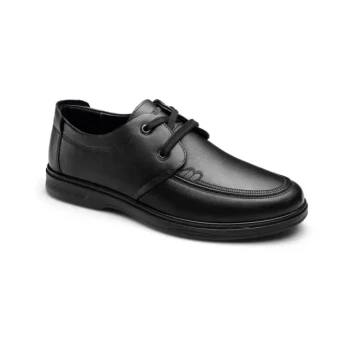
- Classic Leather Derby Dress Shoes Wholesale & Custom Manufacturing
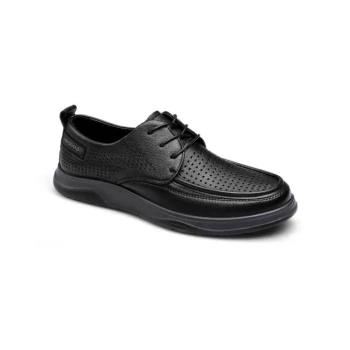
- Wholesale Perforated Comfort Dress Shoes | Custom Derby Shoe Manufacturer
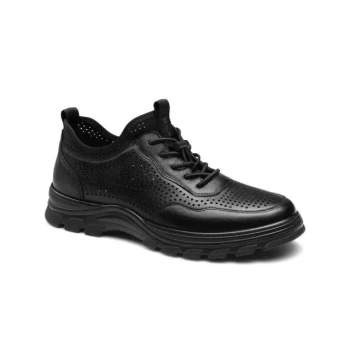
- Wholesale Breathable Perforated Leather Derby Dress Shoes for Custom Brands
People Also Ask
- How do comfort dress shoes differ from traditional dress shoes? Discover the Ergonomic Advantage
- Which dress shoe styles are suitable for wearing with jeans? A Guide to Smart-Casual Style
- What features make dress shoes suitable for standing all day? Achieve All-Day Comfort with Anatomical Design
- What are the benefits of resoling dress shoes? Extend Life & Boost Comfort
- What recent trends have influenced traditional dress shoe designs? The Shift to Modern Comfort