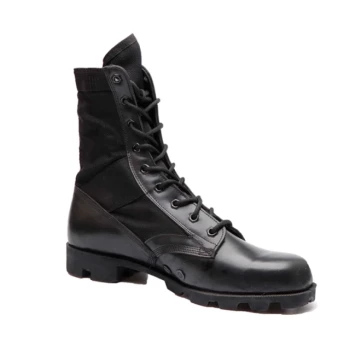
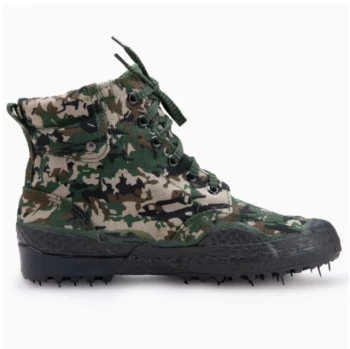
Yes, the right hunting boots can be an excellent choice for flat feet, provided they are engineered with specific supportive features. The suitability is not determined by the "hunting" label itself, but by the boot's underlying architecture, particularly its ability to provide structured arch support and stability to counteract the biomechanics of a flatter foot.
The core issue isn't whether a boot is designed for hunting, but whether its internal structure provides the stability and support needed to manage overpronation—the primary challenge for individuals with flat feet.
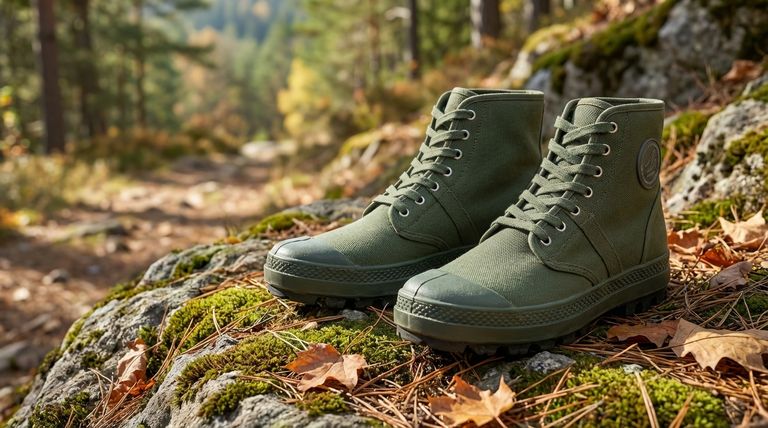
Why Flat Feet Require Specialized Support
Understanding the mechanics of your foot is the first step toward finding a boot that provides genuine comfort and prevents injury. The goal is to correct alignment, not just to cushion the foot.
Understanding Overpronation
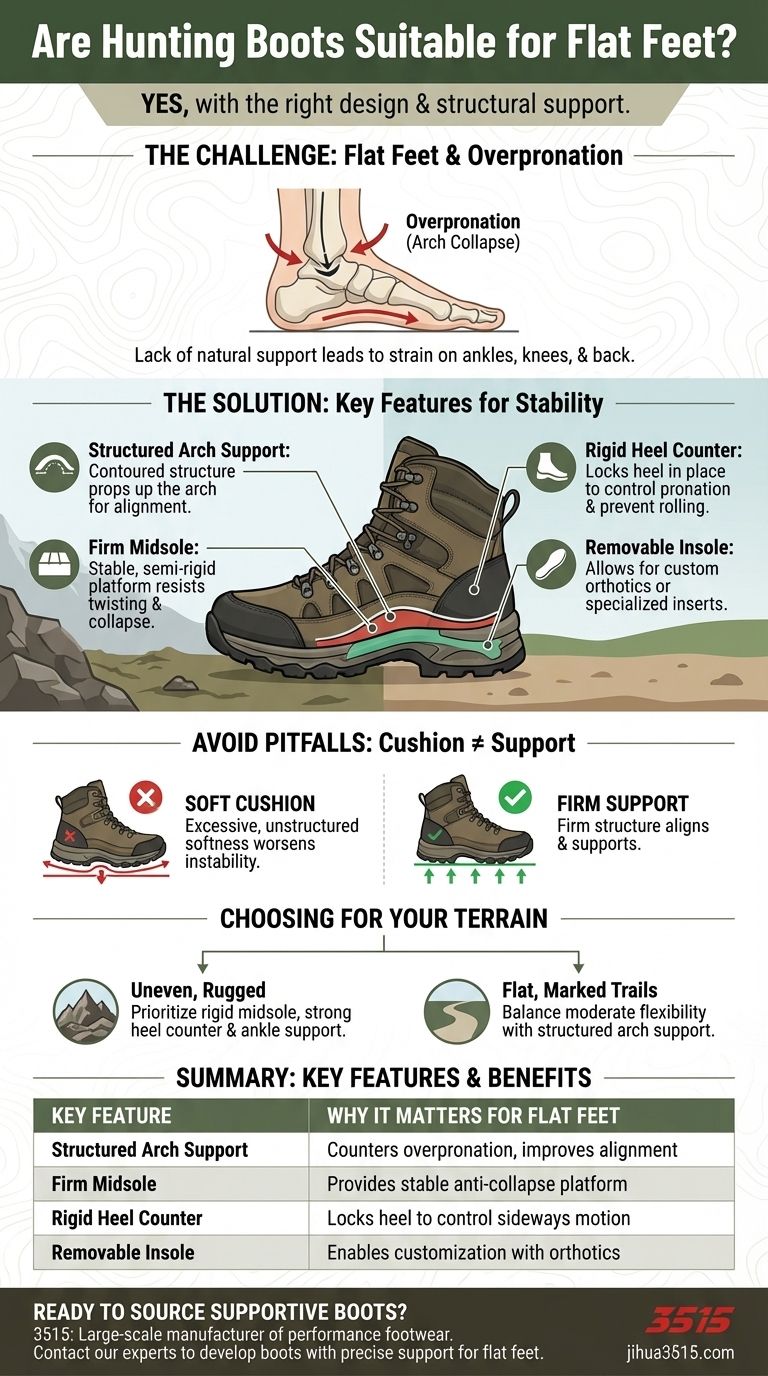
For many people with flat feet, the arch collapses under weight, causing the foot and ankle to roll inward. This motion is called overpronation.
Overpronation disrupts your natural alignment, which can lead to strain not only in your feet but also in your ankles, knees, and even your lower back.
The Role of Arch Support
Proper arch support is not about creating a soft, pillowy feel. It's about providing a firm, contoured structure that props up the arch.
This support helps distribute pressure evenly across the foot and encourages a more neutral, aligned posture, reducing the stress caused by overpronation.
The Need for a Stable Foundation
A boot that is too soft or flexible will simply collapse along with your foot. People with flat feet need a stable, rigid foundation underfoot.
This includes a firm midsole that resists twisting and a strong heel counter that locks the rear of the foot in place, preventing it from rolling inward.
What Makes a Hunting Boot Suitable for Flat Feet
Many high-quality hunting boots are built for stability on rugged terrain, and these are the exact features that benefit those with flat feet. Look for these specific elements.
Structured, Not Soft, Support
A quality boot will have a dense, contoured footbed that provides real support. Many come with removable insoles, which is a significant advantage.
This allows you to replace the factory insole with a specialized aftermarket insert or your own custom orthotics for a perfect level of support.
A Firm Midsole is Non-Negotiable
The midsole is the layer between the insole and the outer sole. For flat feet, this component must be firm and semi-rigid.
A boot with a stiff midsole prevents the foot from collapsing and provides a consistent, stable platform, which is critical for long treks on uneven ground.
A Rigid Heel Counter
The heel counter is the internal plastic reinforcement that cups your heel. A strong, rigid heel counter is essential for stability.
It locks your heel in place, preventing it from rolling sideways and offering crucial control over the pronation of your foot.
Common Pitfalls to Avoid When Choosing Boots
Many boots feel comfortable in the store but fail in the field. Being aware of these common mistakes will help you make a much more effective choice.
Mistaking "Cushion" for "Support"
The most common error is choosing a boot based on initial softness. A boot with excessive, unstructured cushioning will offer no resistance to overpronation.
While cushioning is important for shock absorption, it must be paired with a firm, supportive structure. Without that structure, the soft foam will simply compress and make instability worse.
Ignoring the Boot's Flexibility
While stiffness is good, extreme rigidity isn't always necessary. As the references note, for even and well-marked paths, a moderately flexible boot can be more comfortable.
The key is to match the boot's rigidity to your primary terrain. A highly rigid boot for mountaineering is overkill for flat trails and may feel clunky, while a light, flexible boot is dangerous on rocky, angled terrain.
Neglecting the Overall Fit
Even the most supportive boot is ineffective if it doesn't fit properly. Your heel should be locked in with no slipping, but you should have enough room to wiggle your toes freely.
Always try on boots at the end of the day when your feet are slightly swollen, and wear the same type of socks you plan to use for hunting or hiking.
Making the Right Choice for Your Terrain
To select the best boot, align its features with the environment you'll be in.
- If your primary focus is uneven, challenging terrain: Prioritize a boot with a rigid midsole, excellent ankle support, and a firm heel counter to prevent injury and manage overpronation.
- If your primary focus is well-marked trails and flat ground: A moderately flexible boot with excellent, structured arch support offers the best balance of long-distance comfort and stability.
- If you use custom orthotics: Ensure the boot has a removable factory insole and enough internal volume to accommodate your device without cramping your foot.
By focusing on structural support over simple cushioning, you can confidently find a hunting boot that works with, not against, your feet.
Summary Table:
| Key Feature | Why It Matters for Flat Feet |
|---|---|
| Structured Arch Support | Counters overpronation by propping up the arch for better alignment. |
| Firm Midsole | Provides a stable platform to prevent the foot from collapsing inward. |
| Rigid Heel Counter | Locks the heel in place to control pronation and enhance stability. |
| Removable Insole | Allows for customization with orthotics or specialized inserts. |
Ready to find the perfect supportive hunting boots?
As a large-scale manufacturer, 3515 produces a comprehensive range of footwear for distributors, brand owners, and bulk clients. Our production capabilities encompass all types of supportive shoes and boots, engineered for performance and comfort.
We can help you source or develop hunting boots with the precise structural support needed for flat feet. Contact our experts today to discuss your specific needs and discover how we can bring value to your product line.
Visual Guide
Related Products
- Wholesale Lightweight Tactical Boots Custom Manufacturer for Desert & Combat Use
- High-Traction Suede Tactical Boots Wholesale & Custom Manufacturing
- Durable Leather Tactical Boots Wholesale & Custom Manufacturing for Brands
- Durable Military Combat Boots with Water Drainage for Wholesale & OEM
- Wholesale Waterproof Tactical Boots Custom Suede & High-Traction Soles
People Also Ask
- What are the common types of combat boots? Find the Right Boot for Your Mission
- What specialized protections do tactical boots offer? Maximize Endurance with High-Performance Footwear
- What are the different types of tactical boots available? Find the Right Boot for Your Mission
- What is the role of high-frequency acquisition hardware in technical skill analysis for outdoor and tactical boots?
- What are the main construction similarities between tactical boots and tactical sneakers? Built for Performance & Durability