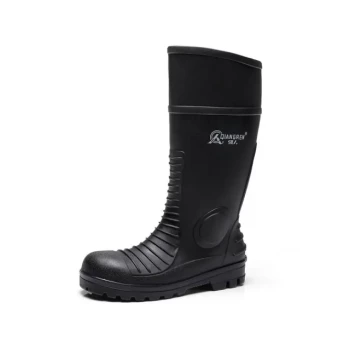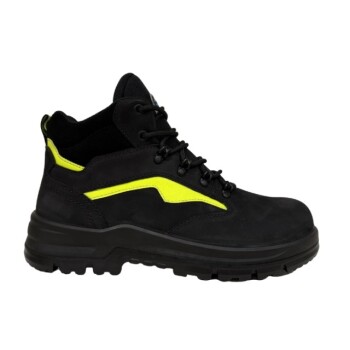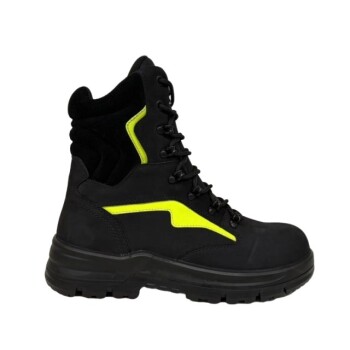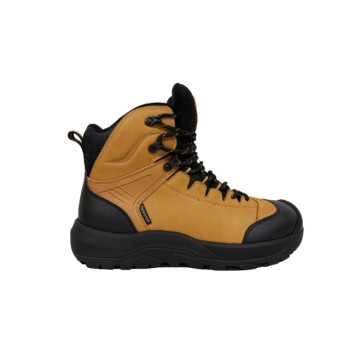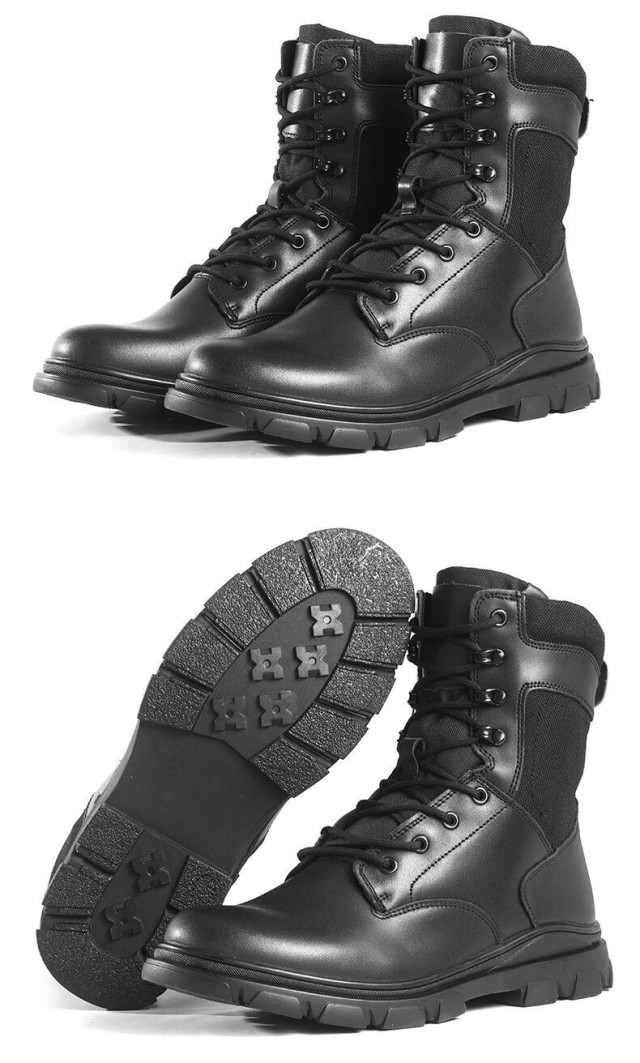
For workers in construction, forestry, and other demanding fields, exposure to harsh weather isn’t just uncomfortable—it’s a serious health threat. Frostbite, trench foot, and slips on wet surfaces account for numerous workplace injuries annually. Weatherproof work boots serve as the first line of defense, combining advanced material science and engineering to mitigate these risks. Here’s how they function as essential protective gear.
Weatherproof Work Boots: A Safety Essential for Harsh Environments
Material Science Behind Waterproofing and Moisture Control
Waterproof boots rely on layered barriers to block external moisture while managing internal sweat. Key technologies include:
- Hydrophobic Membranes (e.g., Gore-Tex): Microporous layers repel liquid water but allow vapor (sweat) to escape, preventing the "greenhouse effect" inside boots.
- Seam-Sealed Construction: Bonded seams eliminate stitching gaps where water could penetrate.
- Moisture-Wicking Liners: Quick-drying fabrics like Cambrelle pull sweat away from the skin, reducing blister risks and fungal growth.
Research shows that prolonged exposure to damp conditions can lower foot temperature to dangerous levels within hours. Waterproofing isn’t just about dryness—it’s about maintaining core body heat.
Insulation Technologies for Extreme Cold Protection
Not all insulation is equal. Synthetic materials like Thinsulate and PrimaLoft excel in work boots because they:
- Trap air molecules efficiently, retaining heat even when compressed (unlike down, which loses effectiveness when wet).
- Maintain flexibility, avoiding the bulkiness of traditional wool liners.
- Meet ASTM F2413 standards for thermal insulation in safety footwear.
For subzero environments, boots with reflective foil layers (e.g., thermal reflective) can redirect body heat back to the feet.
Traction Engineering for Hazardous Surfaces
Slippery surfaces cause over 20% of workplace injuries annually. Weatherproof boots address this through:
- Lug Patterns: Deep, multi-directional treads channel mud and water away from the sole.
- Rubber Compounds: Oil-resistant outsoles (e.g., Vibram) maintain grip on icy or greasy surfaces.
- Slip-Resistant Certifications: ASTM F2913-tested soles reduce fall risks by over 50% compared to non-rated footwear.
Industry Applications and Real-World Safety Outcomes
Construction and Forestry: Case Studies
- Cold Stress Mitigation: Loggers in Alaska reported a 30% reduction in frostbite cases after switching to insulated, waterproof boots with Thinsulate.
- Wet Conditions: Bridge builders using ASTM F2413-compliant waterproof boots saw a 40% drop in slip-related injuries during rainy seasons.
Long-Term Durability in Repeated Exposure
Cheap waterproof coatings degrade after a few months of abrasion. High-performance boots use:
- Double- or Triple-Layered Uppers: Reinforced toe caps and abrasion-resistant panels (e.g., Cordura) extend lifespan.
- Recraftable Designs: Some premium models allow sole replacements, reducing waste and long-term costs.
Upgrade Your Safety with 3515’s Weatherproof Work Boots
For distributors and bulk buyers, 3515 offers rigorously tested footwear that meets ASTM and ISO standards. Our boots are engineered for real-world durability—because protection shouldn’t be a compromise.
→ Contact 3515 today to equip your workforce with reliable, weather-ready safety footwear.
Products You Might Be Looking For:
Explore weatherproof steel toe work boots
Related Products
- Factory Direct Wholesale Rain Boots Durable Waterproof & Fully Customizable
- Wholesale Heavy-Duty Waterproof Steel Toe Work Boots OEM Manufacturer
- Wholesale Premium Waterproof Nubuck Safety Shoes Boots
- Premium Waterproof Nubuck Safety Boots for Wholesale
- Premium Insulated Safety Boots and Shoes for Wholesale & Bulk Orders
Related Articles
- How to Choose Waterproof Boots That Actually Work for Your Needs
- How Waterproof Boots Shield Police Officers from Chronic Foot Damage and Boost Tactical Efficiency
- How Waterproof Work Boots Prevent Occupational Foot Hazards in High-Moisture Jobs
- How Police Departments Extend Boot Lifespans with Science-Backed Rotation Strategies
- How to Upgrade Hunter Boots for Snow: Insulation & Traction Solutions