The right trekking shoes can mean the difference between conquering trails with confidence or struggling with discomfort. This guide cuts through marketing hype to deliver a systematic selection method based on three pillars: terrain analysis, biomechanical alignment, and feature optimization.
Understanding Terrain-Specific Shoe Requirements
Trail conditions dictate 80% of your shoe’s technical requirements. Consider these scenarios:
-
Rocky alpine terrain demands:
- Torsionally stiff soles for stability on uneven surfaces
- High-cut designs (ankle-high) to prevent lateral rolls
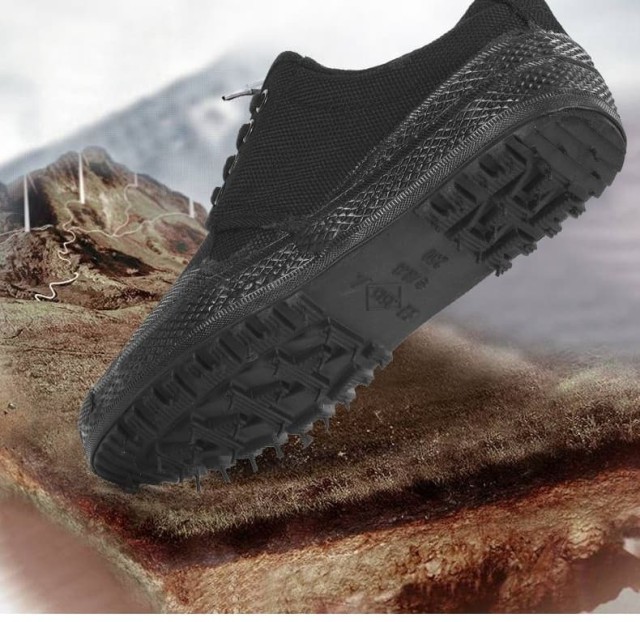
- Aggressive lug patterns (4–6mm depth) for loose scree
-
Wet forest trails prioritize:
- Waterproof membranes (e.g., eVent® or proprietary equivalents)
- Quick-drying uppers when waterproofing isn’t essential
- Self-cleaning tread patterns to shed mud
Research shows hikers on mixed terrain often benefit from hybrid designs featuring moderate ankle support (3–5 inches height) and multi-directional lugs.
Assessing Your Biomechanics: Ankles, Arches, and Gait
Your feet’s unique structure determines which technologies actually help versus those that cause harm:
Pronation/Supination Solutions
- Overpronators (feet roll inward) need:
- Medial post support in the midsole
- Heel counters with 15–20° inward bias
- Supinators (feet roll outward) require:
- Extra cushioning in lateral midsole zones
- Flexible forefoot areas
Arch-Type Adaptations
| Arch Type | Key Shoe Features |
|---|---|
| Flat | Rigid arch support, motion control tech |
| High | Deep heel cups, shock-absorbing midsoles |
| Neutral | Balanced cushioning and flexibility |
Plantar fasciitis sufferers should seek shoes with a 8–12mm heel-to-toe drop to reduce Achilles tension.
Key Features: Ankle Support vs. Weight Trade-offs
The ankle support debate hinges on pack weight and trail difficulty:
-
High-cut boots (5–7" height) excel when:
- Carrying loads over 30 lbs
- Traversing side slopes >20° incline
- But add 10–14oz per shoe versus mid-cut designs
-
Mid-cut shoes (3–5") offer the best compromise for:
- Day hikes with sub-20lb packs
- Maintain agility while providing basic roll protection
Modern materials like thermoplastic polyurethane (TPU) shanks provide torsional rigidity without the weight of traditional steel supports—ideal for weight-conscious hikers needing structure.
Ready to Equip Your Adventurers? 3515 partners with outdoor brands to manufacture purpose-built trekking footwear. Our OEM/ODM services deliver terrain-specific solutions—from lightweight dayhikers to expedition-grade boots—all tailored to your customers’ biomechanical needs. [Contact our team] to discuss scalable production for your niche.
Remember: The best trekking shoe isn’t the most expensive one—it’s the one that disappears beneath you, letting you focus on the trail ahead.
Related Products
- Durable Rubber Sole Outdoor Shoes Wholesale & Custom Manufacturing
- Wholesale Durable Camouflage Canvas Shoes with High-Traction Cleated Rubber Sole
- Wholesale Durable Camo Canvas Shoes with High-Traction Rubber Soles
- Wholesale Waterproof Tactical Boots Custom Suede & High-Traction Soles
- Durable Leather High-Ankle Tactical Boots for Wholesale & Custom Manufacturing
Related Articles
- How Rubber-Soled Shoes Master All Seasons: The Science of Traction and Adaptability
- Why Vulcanized Soles Dominate High-Performance Footwear: A Technical Deep Dive
- How Vulcanized Shoe Construction Delivers Unmatched Durability and Flexibility
- Vulcanized Shoes Decoded: When They Shine and When to Choose Alternatives
- How Precision in Vulcanized Shoe Finishing Defines Durability and Comfort