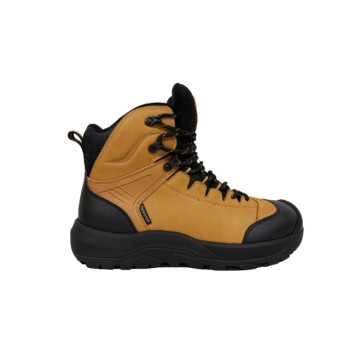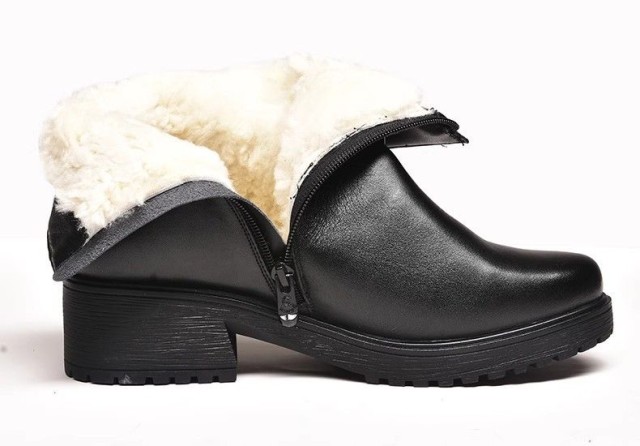
Winter demands footwear that adapts to diverse challenges—from icy sidewalks to deep powder snow. Selecting the right snow boots requires understanding how design elements address specific environmental and activity needs. This guide breaks down key features to help distributors, brand owners, and bulk buyers make informed decisions for their clients.
Winter Terrain and Climate Demands
Traction Engineering for Ice vs. Slush
Ice: Boots need aggressive, multi-directional lugs (≥5mm depth) and rubber compounds with high carbon content for grip. Research shows tread patterns with 90° angles reduce slippage by redistributing weight.
Slush/Wet Snow: Deeper channels (8–10mm) prevent clogging, while softer outsoles maintain flexibility in near-freezing temperatures.
Insulation Types and Temperature Thresholds
- Thinsulate™ (200g–400g): Balances warmth and breathability for -10°C to -20°C.
- Fleece-Lined: Ideal for damp cold (-5°C to -15°C); wicks moisture but lacks wind resistance.
- Felt/Fur: Best for extreme cold (-25°C and below); bulkier but traps heat efficiently.
Pro Tip: Match insulation to regional averages—over-insulated boots cause sweating in milder climates.
Material Science in Snow Boot Design
Waterproofing Trade-Offs: Durability vs. Flexibility
- Membranes (e.g., Gore-Tex®): Meet ASTM F2413-2005 for waterproofing but may stiffen in sub-zero temps.
- Thermoplastic Polyurethane (TPU): More flexible in cold yet requires thicker layers for equivalent protection.
Suede vs. Synthetic Uppers in Wet Conditions
| Material | Pros | Cons |
|---|---|---|
| Suede | Breathable, stylish | Requires frequent treatment |
| Synthetic (PU) | Lightweight, low-maintenance | Less durable long-term |
For distributors: Synthetic uppers suit urban markets; suede appeals to fashion-focused buyers.
Activity-Driven Design Choices
Urban Commuting: Lightweight vs. Heavy-Duty Features
Prioritize:
- Slip-resistant outsoles (tested against ASTM F-2412-2005)
- Reflective details for low-light visibility
- Moderate insulation (200g–300g) to prevent overheating
Hiking and Backcountry: Ankle Support and Tread Depth
- Ankle Collars: Look for 3D-molded designs to reduce strain on uneven terrain.
- Tread Depth: ≥8mm for loose snow; Vibram® Arctic Grip excels on ice.
Question to consider: How will your target customers balance mobility and protection?
Partner with 3515 for Winter-Ready Footwear Solutions
As a leading manufacturer, 3515 equips distributors and brands with snow boots engineered for real-world conditions. Our expertise in material innovation and ASTM-compliant designs ensures your inventory meets diverse winter demands—from city streets to mountain trails.
Ready to stock high-performance winter footwear? Contact 3515 to discuss custom solutions for your market.
Related Products
- Premium Insulated Safety Boots and Shoes for Wholesale & Bulk Orders
- Durable Waterproof Rain Boots | Custom Manufacturer for Wholesale & Brands
- Factory Direct Wholesale Rain Boots Durable Waterproof & Fully Customizable
- Wholesale Waterproof Tactical Boots Custom Suede & High-Traction Soles
- Wholesale Lightweight Tactical Boots Custom Manufacturer for Desert & Combat Use
Related Articles
- More Than Warmth: The Dual-System Safety Engineering of Insulated Boots
- How to Choose Cold-Weather Safety Boots: Material Science Meets Sub-Zero Performance
- How to Choose Snow Boot Insulation for Any Weather and Activity
- How to Choose Snow Boot Insulation for Your Climate and Activities
- How to Choose Winter Boots That Actually Work for Your Climate and Lifestyle