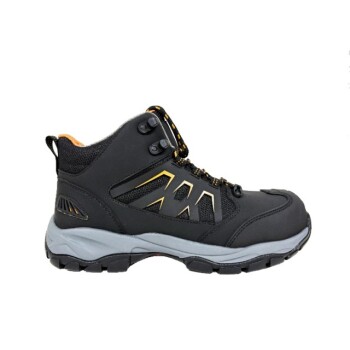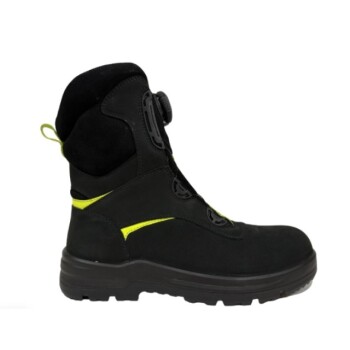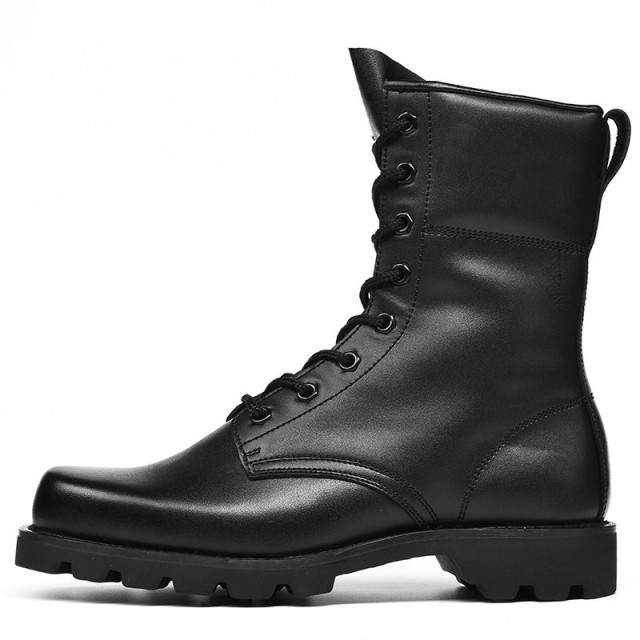
Police officers face diverse operational challenges—from high-speed pursuits to prolonged urban patrols—all demanding footwear that balances protection, mobility, and climate adaptability. This guide breaks down critical selection criteria, industry standards, and long-term durability strategies to match footwear to your duty environment.
Critical Features of Police Duty Footwear
Balancing Safety and Mobility in High-Risk Assignments
Police footwear must protect without compromising agility. Key considerations include:
-
Toe Protection:
- Composite safety toes (e.g., thermoplastic polyurethane) weigh ~30% less than steel, reduce heat/cold transfer, and bypass metal detectors—ideal for tactical units or extreme climates. However, steel toes offer superior impact resistance for riot control or heavy-object environments.
- Trade-off: Prioritize lightweight flexibility (e.g., foot chases) vs. maximum durability (e.g., disaster response).
-
Ankle Support vs. Flexibility:
High-cut boots stabilize ankles for uneven terrain but may hinder sprinting. Low-cut designs suit urban patrols but lack lateral support. -
Sole Design:
Vibram® or similar slip-resistant outsoles with deep treads prevent falls on wet pavement, while shock-absorbing midsoles reduce fatigue during 12+ hour shifts.
Climate-Specific Adaptations for Urban and Field Operations
-
Hot/Wet Environments:
- Breathable mesh linings (e.g., Gore-Tex®) wick moisture and prevent fungal growth.
- Rustproof eyelets and quick-drying materials extend longevity in rainy regions.
-
Cold/Dry Conditions:
- Insulated boots with Thinsulate™ retain warmth without bulk.
- Thermal-reflective layers protect against frostbite during winter surveillance.
Ensuring Long-Term Durability and Compliance
Industry Standards and Certification Requirements
Compliance isn’t optional—it’s a lifeline. Key benchmarks include:
- ASTM F2413-2005: Mandates impact resistance (75 ft-lbs), compression (2,500 lbs), and puncture protection (270 lbs).
- Electrical Hazard Ratings: Essential for K-9 units or traffic officers near live wires.
Pro Tip: Regularly inspect boots for sole separation or liner wear. Even compliant footwear degrades after ~500 miles of use.
Material Choices That Outperform
-
Leather vs. Synthetic:
Full-grain leather resists abrasions but requires conditioning. Synthetics (e.g., Cordura®) are lighter but may tear under stress. -
Stitching vs. Bonded Construction:
Double-stitched seams withstand repeated flexing, while bonded soles fail faster in muddy conditions.
Next Steps: Partner with Experts Who Understand Tactical Needs
At 3515, we engineer footwear for law enforcement’s toughest demands—whether you’re equipping a SWAT team or patrolling city streets. Our designs merge ASTM-certified protection with ergonomic comfort, ensuring your officers stay mobile and mission-ready.
Ready to upgrade your force’s footwear? Connect with our team to discuss custom solutions for your operational environment.
Related Products
- High-Traction Suede Tactical Boots Wholesale & Custom Manufacturing
- Durable Leather Tactical Boots Wholesale & Custom Manufacturing for Brands
- Durable Mid-Cut Tactical Boots for Wholesale & Private Label
- Durable Leather High-Ankle Tactical Boots for Wholesale & Custom Manufacturing
- Wholesale Tactical Boots High-Traction & Reflective for Bulk & Brand Orders
Related Articles
- Why Your Tactical Boots Wear Out So Fast—And the Procurement Mistake Behind It
- The Agility-Protection Paradox: Deconstructing Safety in Modern Tactical Footwear
- Why Your Tactical Boots Keep Failing—And Why 'Tougher' Isn't the Answer
- The Tactical Boot Trap: Are You Equipping Your Team for Failure?
- Why Your ‘Best’ Tactical Boots Are Failing Your Team—And How to Fix Your Footwear Strategy