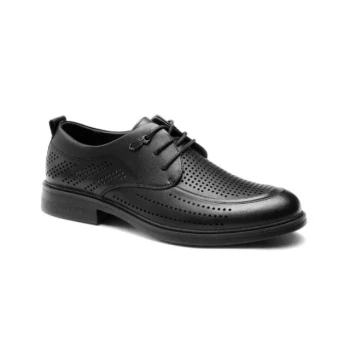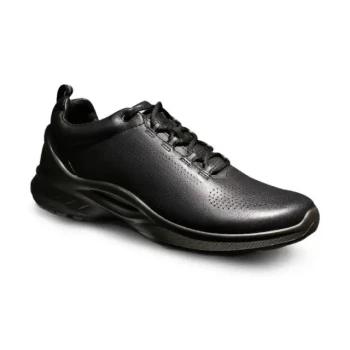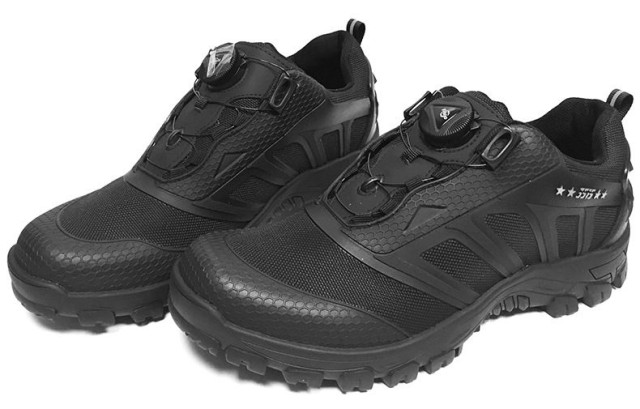
Understanding the biomechanical differences between men and women isn’t just academic—it directly impacts comfort, safety, and endurance on the trail. From heel-to-toe ratios to arch support placement, gender-specific trekking shoe designs address anatomical variations that affect performance. This article explores how science-driven ergonomics optimize hiking experiences and when unisex models might still work.
The Science Behind Foot Anatomy and Shoe Design
Research shows that men and women have distinct foot structures, influencing how weight distributes, joints absorb shock, and muscles fatigue. Ignoring these differences can lead to blisters, instability, or long-term strain. Here’s how design adapts:
Heel-to-Toe Ratio: Why Width Variation Matters
- Women’s feet tend to be narrower at the heel relative to the forefoot, requiring tapered designs to prevent slippage.
- Men’s shoes accommodate broader heel proportions, reducing friction points during downhill hikes.
- Performance impact: A 2020 biomechanics study found that ill-fitting heel cups increase energy expenditure by over 10% on uneven terrain.
Shaft Height and Ankle Biomechanics
Women generally have shorter Achilles tendons and lower ankle leverage, affecting stability:
- Higher-cut shafts in women’s models provide lateral support for pronation control.
- Men’s designs prioritize flexibility for longer strides, with reinforced toe boxes for rock impacts.
Ergonomic Design for Performance and Safety
Arch Support and Weight Distribution by Gender
- Women’s arches are typically higher but collapse more under load, necessitating dynamic midsole materials that rebound.
- Men’s shoes focus on cushioning dense muscle mass, dispersing pressure across flatter arches.
Terrain-Specific Adaptations (Rocks vs. Mud)
- Rocky trails: Women’s outsoles use closer lugs for precision grip; men’s prioritize deep, aggressive treads for push-off power.
- Mud/wet conditions: Gender-neutral hydrophobic membranes are common, but women’s versions often integrate quicker-drying liners.
Choosing the Right Shoe: Beyond Gender Labels
When to Consider Unisex Models (Case Study: High-Volume Feet)
While gender-specific designs excel for most, unisex options suit:
- Wide-footed women or narrow-footed men.
- Minimalist hikers prioritizing lightweight materials over anatomical contours.
Ready to equip your clients with biomechanically optimized footwear? 3515 manufactures gender-specific and unisex trekking shoes tailored for distributors and brands aiming to enhance hiker performance. Our designs merge anatomical precision with durable materials—contact us to discuss bulk solutions.
Key Takeaways:
- Women’s shoes address narrower heels, higher arches, and ankle stability needs.
- Men’s designs optimize for broader frames and stride length.
- Terrain and foot volume occasionally justify unisex models.
By aligning footwear with biomechanics, hikers gain comfort, efficiency, and injury prevention—a win for retailers and outdoor enthusiasts alike.
Related Products
- Durable Rubber Sole Outdoor Shoes Wholesale & Custom Manufacturing
- Wholesale Durable Camouflage Canvas Shoes with High-Traction Cleated Rubber Sole
- Wholesale Durable Camo Canvas Shoes with High-Traction Rubber Soles
- Wholesale Waterproof Tactical Boots Custom Suede & High-Traction Soles
- Durable Leather High-Ankle Tactical Boots for Wholesale & Custom Manufacturing
Related Articles
- How Rubber-Soled Shoes Master All Seasons: The Science of Traction and Adaptability
- Why Vulcanized Soles Dominate High-Performance Footwear: A Technical Deep Dive
- How Vulcanized Shoe Construction Delivers Unmatched Durability and Flexibility
- Vulcanized Shoes Decoded: When They Shine and When to Choose Alternatives
- How Precision in Vulcanized Shoe Finishing Defines Durability and Comfort