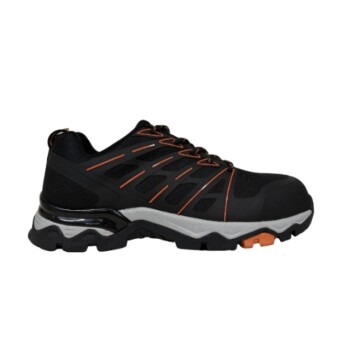
Professional-grade safety footwear is a critical requirement when operating large-scale automotive brake testing rigs due to the convergence of heavy mechanical loads and high-pressure fluid systems. These environments present immediate physical threats, specifically crushing injuries from heavy cast iron components and slip hazards resulting from hydraulic leaks, which standard footwear cannot mitigate.
Operating brake testing rigs exposes technicians to the dual risks of heavy falling objects and slick, oil-covered surfaces. Specialized footwear acts as a necessary physical barrier, utilizing steel-toe reinforcement and anti-slip technology to ensure personnel safety and regulatory compliance.
The Hazards of the Testing Environment
Risks from Heavy Components
Automotive brake testing frequently involves the manual handling of heavy metal components, such as large cast iron brake discs.
The sheer weight of these parts creates a significant risk of impact injuries. If a disc is dropped during setup or teardown, the potential for severe foot trauma is high without a reinforced barrier.
Dangers of Hydraulic Systems
These rigs rely on high-pressure hydraulic systems to simulate braking forces.
Leaks are a common operational reality in these environments, leading to floors coated in slippery fluids. Without specialized traction, the risk of slips and falls increases dramatically near high-speed rotating machinery.
Essential Protective Features
Steel-Toe Reinforcement
To counter impact risks, safety shoes or tactical boots must feature steel-toe protection.
This feature provides a rigid shell that absorbs and deflects the energy of a falling object. It prevents crushing injuries that could otherwise permanently disable a technician.
Oil-Resistant, Anti-Slip Outsoles
To address the stability challenge, footwear must be equipped with oil-resistant, anti-slip outsoles.
Standard rubber degrades when exposed to industrial fluids, losing grip and structural integrity. Professional-grade materials maintain traction even on oil-covered surfaces, ensuring the operator maintains a stable stance while working around the rig.
Understanding the Trade-offs
Weight vs. Agility
A common trade-off with professional-grade safety gear is the increased weight of the footwear.
Steel toes and dense, chemical-resistant soles are heavier than standard shoes, which can lead to faster fatigue during long shifts. However, this added weight is a necessary compromise for the level of protection required against heavy industrial components.
Breathability vs. Impermeability
Boots designed to resist hydraulic fluids often sacrifice breathability to prevent liquid ingress.
While this keeps hazardous fluids away from the skin, it can reduce comfort in hot laboratory environments. Technicians must weigh the need for fluid resistance against long-term wearing comfort.
Prioritizing Safety in Selection
When selecting footwear for brake testing environments, assess your specific daily tasks to determine the most critical features.
- If your primary focus is mechanical setup: Prioritize boots with maximum steel-toe impact ratings to protect against the frequent handling of heavy cast iron discs.
- If your primary focus is hydraulic maintenance: Prioritize footwear with aggressive anti-slip tread patterns and chemical resistance to navigate fluid leaks safely.
Ultimately, the right footwear is not just an accessory; it is a fundamental component of the safety infrastructure in any high-performance automotive testing lab.
Summary Table:
| Hazard Category | Specific Risk | Required Footwear Feature |
|---|---|---|
| Mechanical Impact | Dropped cast iron brake discs & heavy parts | Steel-Toe Reinforcement (Impact Absorption) |
| Chemical/Fluid | High-pressure hydraulic fluid leaks | Oil-Resistant & Anti-Slip Outsoles |
| Stability | Slips near high-speed rotating machinery | Aggressive Tread Patterns (Traction) |
| Durability | Degradation from industrial fluids | Chemical-Resistant Material Integrity |
Secure Your Workforce with Industrial-Grade Footwear from 3515
As a large-scale manufacturer serving distributors and brand owners worldwide, 3515 provides the robust protection required for high-risk automotive testing environments. We offer comprehensive production capabilities for all footwear types, anchored by our flagship Safety Shoes and Tactical Boots series.
Our extensive portfolio covers work boots, training shoes, and sneakers designed to withstand hydraulic fluids and heavy mechanical impacts, as well as Dress & Formal shoes for corporate requirements. Whether you are looking to source bulk orders for distribution or develop a custom branded line, our factory delivers the scale and precision you need.
Ready to upgrade your safety standards? Contact us today to discuss your bulk manufacturing needs and see how our footwear solutions bring unparalleled value to your business.
References
- Mrunal Kshirsagar, Hrishikesh P. Khairnar. Investigation of coefficient of friction at the interface of automobile brake pads using Greenwood-Williamson contact model and novel test rig. DOI: 10.5937/fme2203561k
This article is also based on technical information from 3515 Knowledge Base .
Related Products
- Premium Suede Sport Safety Shoes for Wholesale & Bulk Orders
- Premium Lightweight Safety Shoes for Wholesale & Bulk Orders
- Wholesale Anti-Smash & Puncture-Proof Safety Shoes Custom Manufacturing for Brands
- Premium KPU Injection Athletic Style Safety Shoes
- Premium Safety Shoes with Rotating Buckle Safety Sneakers
People Also Ask
- What industries have specific OSHA footwear requirements? Ensure Compliance & Protect Your Workforce
- What are the primary functions of professional safety shoes? Maximize Safety in Water Supply Confined Spaces
- What role do specialized safety shoes play in preventing falls? Engineering Stability in Industrial Environments
- How do the 3R principles influence green footwear design? Master Sustainable Safety Shoe Manufacturing
- Why wear protective masks, gloves, and safety shoes in 5S Shine? Elevate Safety and Discipline