The most critical habit for extending the life of your dress shoes has nothing to do with polishing and everything to do with patience. Resting your shoes for at least a full day between wears is essential because it allows moisture from perspiration to completely evaporate. This simple act prevents the leather from breaking down prematurely, stops permanent stretching, and preserves the shoe's structural integrity.
The core issue is not dirt or scuffs, but the invisible damage caused by moisture trapped within the leather. Giving your shoes a day of rest allows them to fully dry and reset, effectively doubling or tripling their functional lifespan.
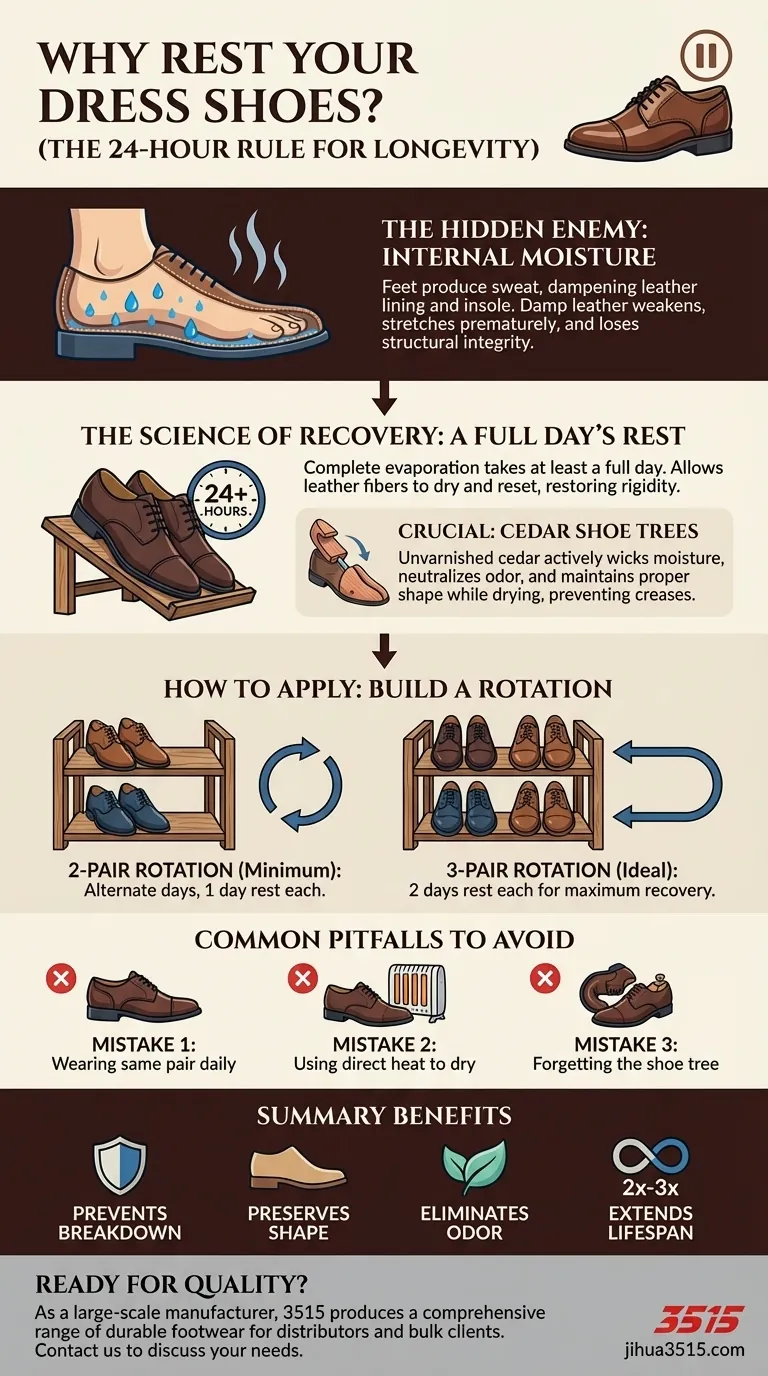
The Hidden Enemy: Moisture from Within
To understand the need for rest, you have to understand how quality shoes are constructed and how they react to their environment. The primary threat isn't rain, but the moisture your own body produces.
Why Your Feet Are the Primary Concern
Your feet can produce a surprising amount of sweat throughout the day. This moisture is absorbed directly into the shoe's leather lining and insole.
Unlike a splash of rain, this internal dampness is held against the leather for hours, slowly weakening it from the inside out.
How Moisture Degrades Leather
Leather is a natural material composed of a tight network of protein fibers. When these fibers become saturated with moisture, they soften and stretch far more easily.
Wearing shoes while the leather is still damp from the previous day puts stress on these weakened fibers, leading to premature creasing, stretching, and breakdown.
The Impact on Shoe Shape
When you wear damp shoes, they stretch and conform to the shape of your stressed foot. If they don't have time to dry and contract back to their original form, this stretched-out shape can become permanent.
Resting the shoe, especially with a shoe tree, allows the leather to dry and tighten, preserving the elegant shape created by the shoemaker's last.
The Science of Recovery: What Happens During a Rest Day
A "rest day" is not a luxury; it's an active recovery period where the shoe material stabilizes. This process is critical for long-term durability.
Complete Evaporation is Key
It can take a full 24 hours or more for moisture trapped deep within the leather and cork footbed to fully evaporate. Simply leaving shoes to sit overnight is often not enough.
A complete drying cycle is necessary to restore the leather's natural rigidity and strength.
The Crucial Role of Cedar Shoe Trees
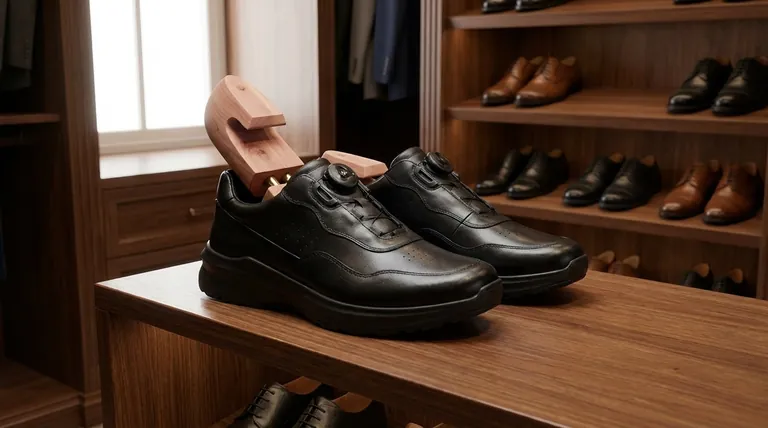
Using cedar shoe trees is the most important part of resting your shoes. The unvarnished cedar actively wicks away residual moisture and helps neutralize odor.
More importantly, the tree provides the internal structure needed to ensure the shoe dries back into its correct shape, smoothing out creases that formed during wear.
Preventing Odor and Bacteria
A consistently damp environment is the perfect breeding ground for odor-causing bacteria. Allowing your shoes to dry out completely makes the environment inhospitable for this bacteria, keeping your shoes fresh.
Common Pitfalls to Avoid
Many well-intentioned owners damage their shoes by misunderstanding the principles of shoe care. Avoiding these common mistakes is as important as developing good habits.
Mistake 1: Wearing the Same Pair Daily
This is the single most destructive habit for quality footwear. Even the most well-made shoe will break down rapidly if it is never allowed to fully recover from daily wear.
Mistake 2: Using External Heat to Dry
Never place wet leather shoes near a radiator, heater, or use a hairdryer on them. Intense, direct heat cooks the leather, drawing out its natural oils and leaving it brittle, stiff, and prone to cracking.
Mistake 3: Forgetting the Shoe Tree
Resting a shoe without a tree inside is a missed opportunity. The shoe will dry, but it will likely dry in a slightly collapsed or curled shape, making deep creases permanent.
How to Apply This to Your Collection
Building a proper shoe rotation is the most practical way to protect your investment. The goal is to ensure no single pair is worn on consecutive days.
- If your primary focus is a practical minimum: A two-pair rotation is essential, allowing each pair one full day of rest between wears.
- If your primary focus is maximum longevity: A three-pair rotation is ideal, giving each pair two full days to rest and completely recover.
Developing a simple rotation isn't an inconvenience; it's the fundamental principle of preserving the quality and style of your shoes for years to come.
Summary Table:
| Benefit of Resting Shoes | Why It Matters |
|---|---|
| Prevents Premature Breakdown | Allows internal moisture to evaporate, stopping leather fibers from weakening. |
| Preserves Shoe Shape | Prevents permanent stretching; shoe trees help the shoe dry back to its original form. |
| Eliminates Odor & Bacteria | A dry environment stops bacteria growth, keeping shoes fresh. |
| Extends Functional Lifespan | Proper rest can double or triple the number of years you get from a pair. |
Ready to build a durable, high-quality shoe collection?
As a large-scale manufacturer, 3515 produces a comprehensive range of footwear for distributors, brand owners, and bulk clients. Our production capabilities encompass all types of shoes and boots, ensuring the quality and longevity your customers expect.
Contact us today to discuss your footwear needs and discover how we can help you provide lasting value.
Visual Guide
Related Products
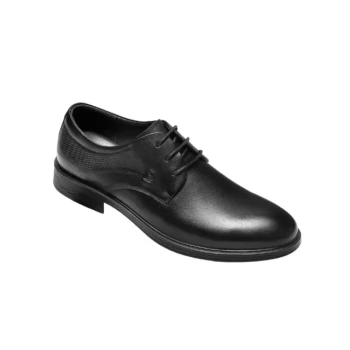
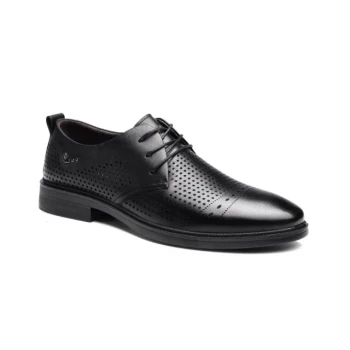
- Classic Leather Derby Dress Shoes Wholesale & Custom Manufacturing
- Wholesale Leather Derby Dress Shoes Custom Manufacturer for Brands
- Factory Direct Wholesale Leather Comfort Shoes with Dial Closure
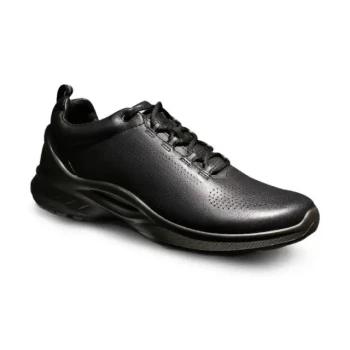
- Wholesale Leather Business Casual Shoes with Dial Closure - Manufacturer of Comfort Dress Sneakers
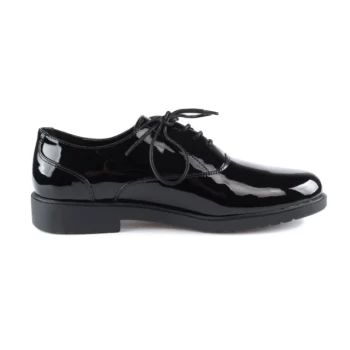
- Wholesale Patent Oxford Dress Shoes | Custom & Bulk Manufacturing
People Also Ask
- How often should leather dress shoes be cleaned and polished? A 3-Tier Care Guide for Longevity
- How can you remove salt stains from leather dress shoes? Save Your Shoes with a Simple Vinegar Solution
- What are the basic steps to clean leather dress shoes? A Guide to Preserving Your Investment
- How should you dry wet leather dress shoes? A Step-by-Step Guide to Save Your Investment
- What historical figure is associated with the Derby shoe? The Earl of Derby's Comfort Revolution