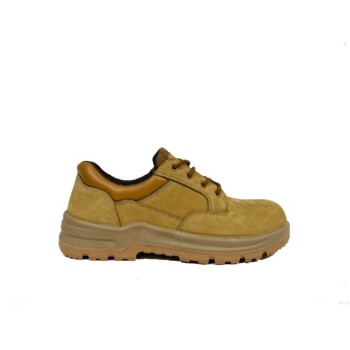
Designing flexible sensor panels in multiple size specifications is critical for achieving anatomical accuracy. By offering variations such as 250mm, 260mm, and 270mm, you ensure that pressure sensors align precisely with the specific physiological structures of different users. This customization prevents misalignment errors that commonly occur when a single sensor layout is forced onto varying foot sizes.
Core Insight: Precise data collection relies on the physical alignment of sensors with the foot's weight-bearing zones. Multiple specifications eliminate "one-size-fits-all" inaccuracies, ensuring that measurements validly reflect center of mass transfer and biomechanical torque.
The Necessity of Anatomical Alignment
Targeting Weight-Bearing Areas
The primary goal of a pressure monitoring system is to capture data from specific anatomical landmarks.
Flexible panels must be sized correctly so that sensors sit directly beneath the foot's primary weight-bearing areas. A size mismatch shifts the sensors away from these critical zones, resulting in incomplete or misleading data.
Preventing Sensor Misalignment
When a sensor panel does not match the wearer's foot length, the relative position of the sensors changes.
This misalignment causes the system to record pressure in the wrong locations or miss high-pressure events entirely. Designing specific sizes (e.g., 250mm vs. 270mm) ensures the sensor matrix maps 1:1 with the user's anatomy.
Implications for Biomechanical Data
Truthful Center of Mass Tracking
Accurate sensor placement is required to monitor dynamic movement.
When the panel fits correctly, the system can truthfully reflect the transfer of the human center of mass. This allows for a smooth, continuous data stream that mirrors actual body mechanics rather than artifacts caused by the foot sliding over a generic pad.
Measuring Torque Changes
Torque and rotational forces are subtle but critical biomechanical metrics.
To capture changes in torque accurately, the leverage points on the sensor panel must align with the foot's pivot points. Multiple specifications ensure that these forces are measured where they actually occur, maintaining the integrity of the physical model.
Understanding the Trade-offs
Manufacturing Complexity vs. Data Fidelity
While designing multiple specifications increases manufacturing and inventory complexity, it is a necessary trade-off for high-fidelity data.
A universal, "one-size-fits-all" design may reduce production costs, but it inherently degrades data quality. For applications requiring medical or research-grade accuracy, the cost of misalignment outweighs the convenience of a single SKU.
Optimizing Sensor Selection for Your Application
To ensure your data is valid, you must match the hardware to the user population.
- If your primary focus is Clinical Accuracy: Prioritize a wide range of size specifications to ensure every patient achieves perfect anatomical alignment for diagnostic validity.
- If your primary focus is Biomechanical Research: Select panel sizes that strictly correspond to your subject group to guarantee that center of mass and torque calculations are not skewed by fitment errors.
Ultimately, the validity of your pressure data is defined by the physical fit of your sensor; without the correct size, the numbers will never tell the truth.
Summary Table:
| Specification | Target Foot Length | Key Benefit | Data Impact |
|---|---|---|---|
| 250mm | Small/Medium | Precise Landmark Alignment | Accurate Weight Distribution |
| 260mm | Medium/Standard | Reduced Sensor Misalignment | Reliable Biomechanical Torque |
| 270mm | Large/Wide | Correct Center of Mass Tracking | Validated Kinetic Analysis |
Scale Your Footwear Solutions with Precision-Engineered Manufacturing
To capture truly accurate biomechanical data, your footwear must align perfectly with human anatomy. As a premier large-scale manufacturer, 3515 provides distributors and brand owners with the advanced production capabilities needed to integrate sophisticated sensor technologies across our entire range.
Whether you are developing specialized Safety Shoes, tactical boots, or high-performance sneakers, our flagship expertise ensures that every pair—from dress shoes to training footwear—meets the highest standards of structural integrity and fit. Partner with us to bring medical-grade accuracy to your bulk footwear requirements and deliver superior value to your customers.
Ready to elevate your product line? Contact us today to discuss your manufacturing needs!
References
- Seungheon Chae, Joung Hwan Mun. Can Pressure Data from Wearable Insole Devices Be Utilized to Estimate Low Back Moments for Exoskeleton Control System?. DOI: 10.3390/act13030092
This article is also based on technical information from 3515 Knowledge Base .
Related Products
- Lightweight Breathable Sneakers with Wet-Traction Grip for Wholesale & Private Label
- Wholesale Durable Safety Boots Manufacturer Customizable Steel Toe Work Boots
- Wholesale Breathable Athletic Sneakers - Custom Lightweight Cushioned Footwear Manufacturer
- Custom Safety Shoe Manufacturer for Wholesale & OEM Brands
- Durable Leather Moc Toe Work Boots for Wholesale & Custom Manufacturing
People Also Ask
- Why are breathable sneakers necessary for tropical commuting? Stay Cool and Dry in High Humidity
- What role do lightweight training shoes play in urban traffic? Boost Agility and Reaction for Safer City Navigation
- How do lightweight shoes provide support? The Science of Efficient Cushioning & Stability
- How do lightweight shoes contribute to healthier feet? Reduce Fatigue & Prevent Foot Problems
- What are the style advantages of lightweight shoes? Sleek, Versatile & Modern Comfort