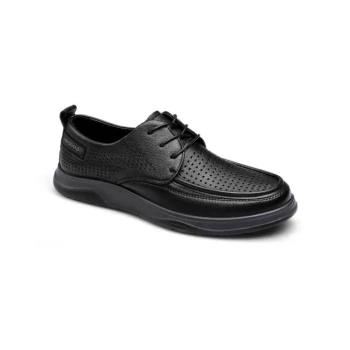
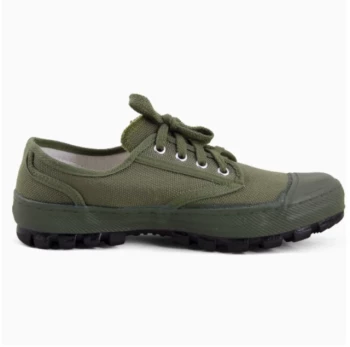
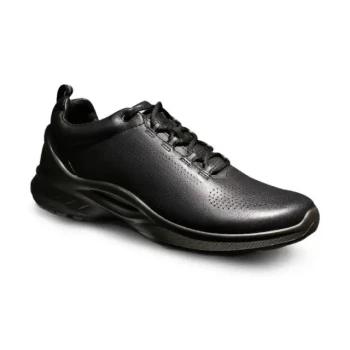
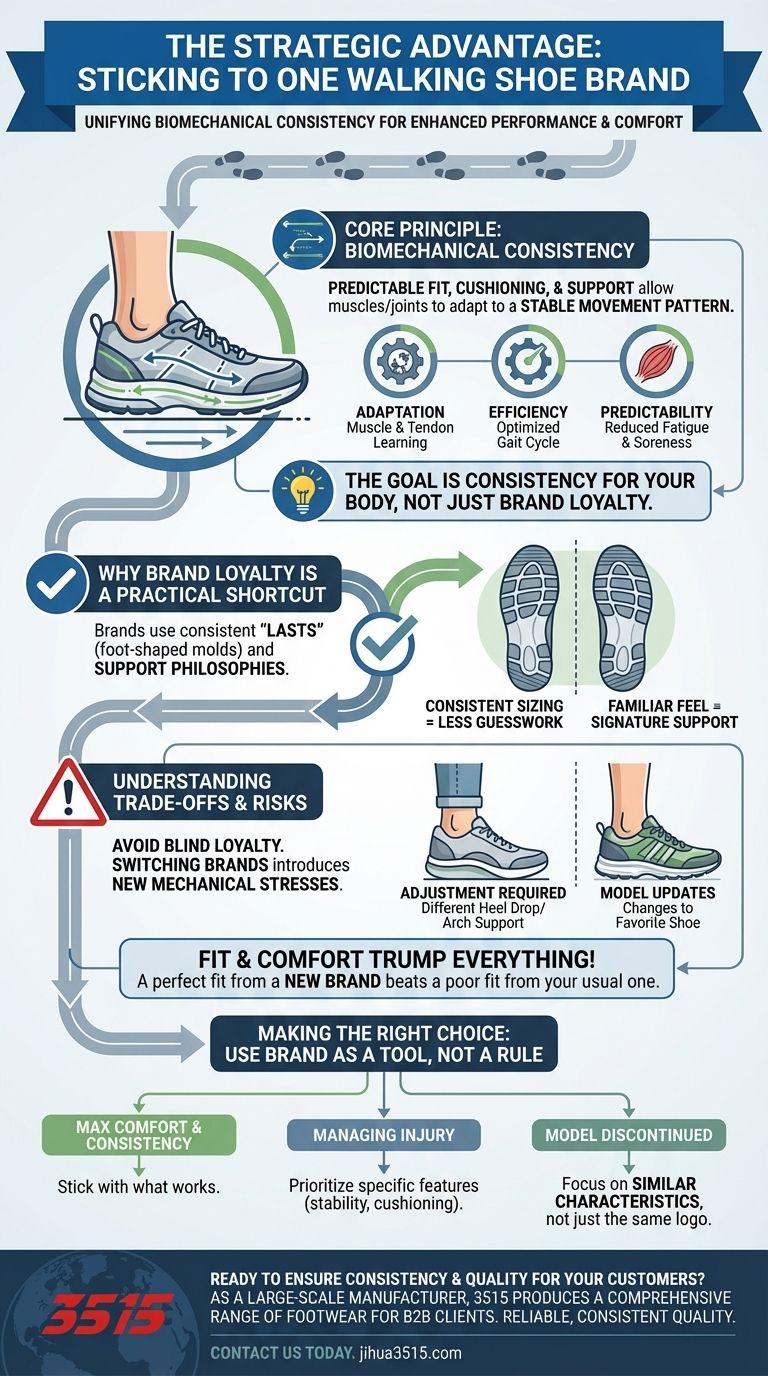
The primary benefit of sticking to one brand of walking shoes is achieving biomechanical consistency. When the fit, cushioning, and support of your shoe remain predictable, your muscles and joints adapt to a stable movement pattern. This adaptation can lead to greater comfort, improved performance, and a potentially lower risk of strain during your walks.
The true goal is not loyalty to a brand, but consistency for your body. Sticking with a specific brand is often the most practical shortcut to finding the consistent fit and support your muscles need to perform optimally and without injury.
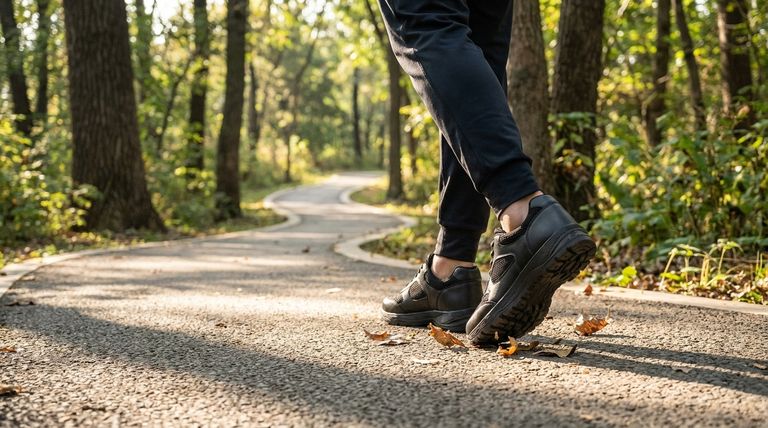
The Core Principle: Biomechanical Consistency
The advice to stick with a single brand is rooted in how your body adapts to repetitive motion. Walking is a cycle of thousands of repeated steps, and the shoe you wear dictates the fine details of that movement.
How Your Body Adapts to Footwear
Your body is an incredible adaptation machine. When you consistently use a shoe with a specific heel height, arch support, and cushioning level, your muscles, tendons, and ligaments learn the exact pattern of movement required.
This creates a highly efficient and predictable "gait cycle." Your body knows precisely how to absorb impact and propel you forward with minimal wasted energy or unnecessary strain.
The Benefits of Predictability
This consistency is the key to comfort and performance. Because your body isn't constantly re-adjusting to a new platform, you experience less fatigue and soreness.
For walkers, this means you can maintain your pace for longer and feel more comfortable doing so, making your training more effective and enjoyable.
Why Brand Loyalty is a Practical Shortcut
While the principle is about the shoe's characteristics, focusing on a brand is often the easiest way to achieve that consistency.
Consistent Sizing and "Lasts"
Shoe brands typically build their models on a specific set of "lasts," which are the foot-shaped molds that give a shoe its volume, width, and overall shape.
If a particular brand's last fits your foot well, it’s highly probable that other models from that same brand will also offer a good fit. This removes much of the guesswork when buying a new pair.
Similar Support Philosophies
Brands often develop a signature feel or design philosophy. One brand might be known for maximalist cushioning, while another focuses on responsive stability.
If a brand's core approach to support and cushioning works for your foot type and walking style, staying with them ensures you continue to get the features your body has come to rely on.
Understanding the Trade-offs and Nuances
Blind loyalty to a brand is not always the best strategy. The ultimate goal is to find what works for your body, and that requires a more nuanced approach.
The Real Risk of Switching
Switching brands doesn't so much "confuse" your muscles as it introduces a new set of mechanical stresses.
If the new shoe has a different heel-to-toe drop or less arch support, your body must adjust. This change can be perfectly fine, but it can also introduce strain if the new shoe is a poor match for your biomechanics.
When Sticking to a Brand Fails
Brands sometimes make significant changes to their most popular models from one year to the next. They might alter the cushioning, change the fit, or use new materials.
If your favorite model is updated and no longer feels right, your loyalty should be to your comfort and health, not to the logo on the shoe.
Fit and Comfort Trump Everything
The single most important factor is a proper fit. A shoe from any brand should feel comfortable and secure from the moment you put it on, with no break-in period required.
A perfectly fitting shoe from a new brand is always a better choice than a poorly fitting model from your usual one.
Making the Right Choice for Your Walking Routine
Use brand consistency as a tool, not a rule. Your decision should always be guided by your primary goal.
- If your primary focus is maximum comfort and consistency: Finding a model that works perfectly and sticking with it is the most reliable strategy.
- If you are managing or preventing an injury: Prioritize the specific features you need—such as stability control or enhanced cushioning—regardless of the brand.
- If your favorite model has been discontinued or changed: Focus on finding a new shoe with similar characteristics (fit, support, cushioning) rather than simply picking another model from the same brand.
Ultimately, your body is the final authority on what makes a great walking shoe.
Summary Table:
| Benefit | Key Takeaway |
|---|---|
| Biomechanical Consistency | Predictable fit and support helps muscles adapt to a stable movement pattern. |
| Improved Comfort & Performance | Less fatigue and soreness, allowing for longer, more effective walks. |
| Practical Shortcut | Brands use consistent 'lasts' and support philosophies, simplifying the search for a good fit. |
| Ultimate Goal | Prioritize fit and comfort for your body over blind brand loyalty. |
Ready to ensure consistency and quality for your customers?
As a large-scale manufacturer, 3515 produces a comprehensive range of footwear for distributors, brand owners, and bulk clients. Our production capabilities encompass all types of shoes and boots, ensuring you receive reliable, consistent quality that your customers can trust.
Contact us today to discuss how we can support your business with dependable, high-performance footwear.
Visual Guide
Related Products
- Durable Rubber Sole Outdoor Shoes Wholesale & Custom Manufacturing
- Wholesale Durable Camouflage Canvas Shoes with High-Traction Cleated Rubber Sole
- Premium Suede Sport Safety Shoes for Wholesale & Bulk Orders
- Wholesale Comfortable Business Casual Shoes Custom Manufacturing
- Premium Lightweight Safety Shoes for Wholesale & Bulk Orders
People Also Ask
- What is the function of the sole in outdoor shoes? Find the Perfect Grip and Support
- What role do outdoor shoes and sneakers play in navigating external terrains? Engineered Stability for Every Surface
- How is AI utilized in the design of outdoor and safety footwear? Harnessing Big Data for Market-Driven Shoe Innovation
- Why is durability important when selecting outdoor shoes? A Guide to Safety & Long-Term Value
- What are the key components of outdoor shoes that affect comfort and sturdiness? A Guide to Durable, High-Performance Footwear