In a professional kitchen, the right shoes are a non-negotiable tool for safety and efficiency. Water and stain resistance are critical features because they ensure your footwear can be quickly and effectively cleaned, upholding essential hygiene standards in an environment defined by spills. This resistance also protects the shoe's materials from grease and moisture, significantly extending its usable life.
While often seen as a convenience feature, water and stain resistance is fundamentally about professional-grade safety. It acts as your first line of defense against workplace hazards like hot liquid spills and forms the foundation for maintaining a hygienic, slip-free workspace.
The Role of Resistance in Kitchen Safety
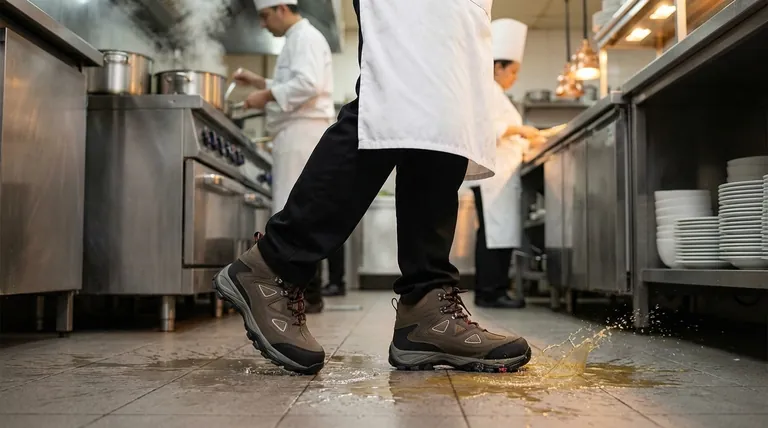
A chaotic kitchen floor is covered in hazards, from spilled water to hot oil. A shoe's ability to repel these substances is directly tied to your personal safety and the cleanliness of the environment.
A Barrier Against Spills and Burns
Hot liquids are a constant threat. A water-resistant upper prevents dangerous substances like boiling water or hot fryer oil from immediately soaking through the material and causing severe burns to your foot.
This impenetrable barrier gives you precious seconds to react and address the spill before injury can occur.
Upholding Critical Hygiene Standards
Porous materials like canvas or untreated leather can absorb liquids and food particles. This creates a breeding ground for bacteria, leading to persistent odors and a serious cross-contamination risk in a food preparation area.
Water and stain-resistant surfaces are non-porous. They can be wiped clean in seconds, ensuring that bacteria and grime from the floor don't get trapped in your footwear.
Maintaining a Secure Footing
While the non-slip sole is the primary defense against falls, the upper plays a supporting role. A shoe that absorbs water becomes heavier and can compromise your balance.
A water-resistant shoe sheds liquid, keeping the shoe light and your footing stable, which is crucial when moving quickly on slick surfaces.
The Impact on Durability and Professionalism
Beyond immediate safety, resistant materials are key to the longevity and professional appearance of your workwear.
Protecting Materials from Breakdown
Kitchen environments are harsh. Constant exposure to moisture, grease, and potent cleaning chemicals will quickly degrade stitching, adhesives, and materials like leather.
A resistant finish acts as a shield, preventing these corrosive elements from breaking down the shoe's core structure, saving you money in the long run.
Simplifying End-of-Shift Maintenance
After a long, grueling shift, the last thing any culinary professional wants is a difficult cleanup routine.
Resistant shoes can be quickly sprayed down or wiped clean, allowing you to spend less time on maintenance and more time resting.
Preserving a Professional Image
Stained, dirty, and worn-out shoes project an unprofessional image. Stain resistance helps your footwear look clean and well-maintained, reflecting the high standards of your kitchen.
Understanding the Trade-offs
No single feature is without its compromises. Understanding the potential downsides helps you make a more informed decision.
The Breathability Challenge
The most common trade-off with high water resistance is breathability. Materials that are excellent at keeping liquid out, like rubber or EVA foam, can also trap heat and sweat.
Modern designs often incorporate ventilation ports or use advanced synthetic materials to find a better balance between protection and all-day comfort.
Material vs. Coating
Resistance can come from two sources: the inherent properties of a material (like rubber) or a topical coating applied to a material (like treated leather).
Inherently resistant materials offer permanent protection, while coatings can wear off over time with heavy use and cleaning, potentially requiring reapplication.
Making the Right Choice for Your Kitchen
Your specific role and kitchen environment should guide your decision.
- If your primary focus is maximum protection and hygiene: Look for shoes made from single-piece molded materials like EVA foam or rubber, which offer a seamless, impenetrable barrier.
- If your primary focus is balancing comfort and protection: Consider high-quality treated leather or modern synthetic uppers that provide excellent resistance while allowing for better breathability during long shifts.
- If your primary focus is working in a less messy environment: You may opt for a shoe with a lighter water-resistant finish, but you should never compromise on a certified non-slip sole.
Ultimately, selecting a shoe with proper water and stain resistance is a direct investment in your daily safety, efficiency, and professional well-being.
Summary Table:
| Feature | Key Benefit | Why It Matters in the Kitchen |
|---|---|---|
| Water Resistance | Barrier against hot liquid spills | Prevents burns, keeps shoes lightweight for stable footing |
| Stain Resistance | Easy, quick cleaning of surfaces | Upholds hygiene standards, prevents cross-contamination |
| Material Protection | Shields from grease and chemicals | Extends shoe lifespan, saving money on replacements |
| Professional Image | Maintains a clean appearance | Reflects the high standards of your kitchen and profession |
Ready to equip your team with professional-grade chef shoes that prioritize safety and durability?
As a large-scale manufacturer, 3515 produces a comprehensive range of water and stain-resistant footwear for distributors, brand owners, and bulk clients. Our production capabilities encompass all types of safety shoes and boots designed to withstand the toughest kitchen environments.
Contact us today to discuss your needs and discover how our footwear can enhance your team's safety and efficiency.
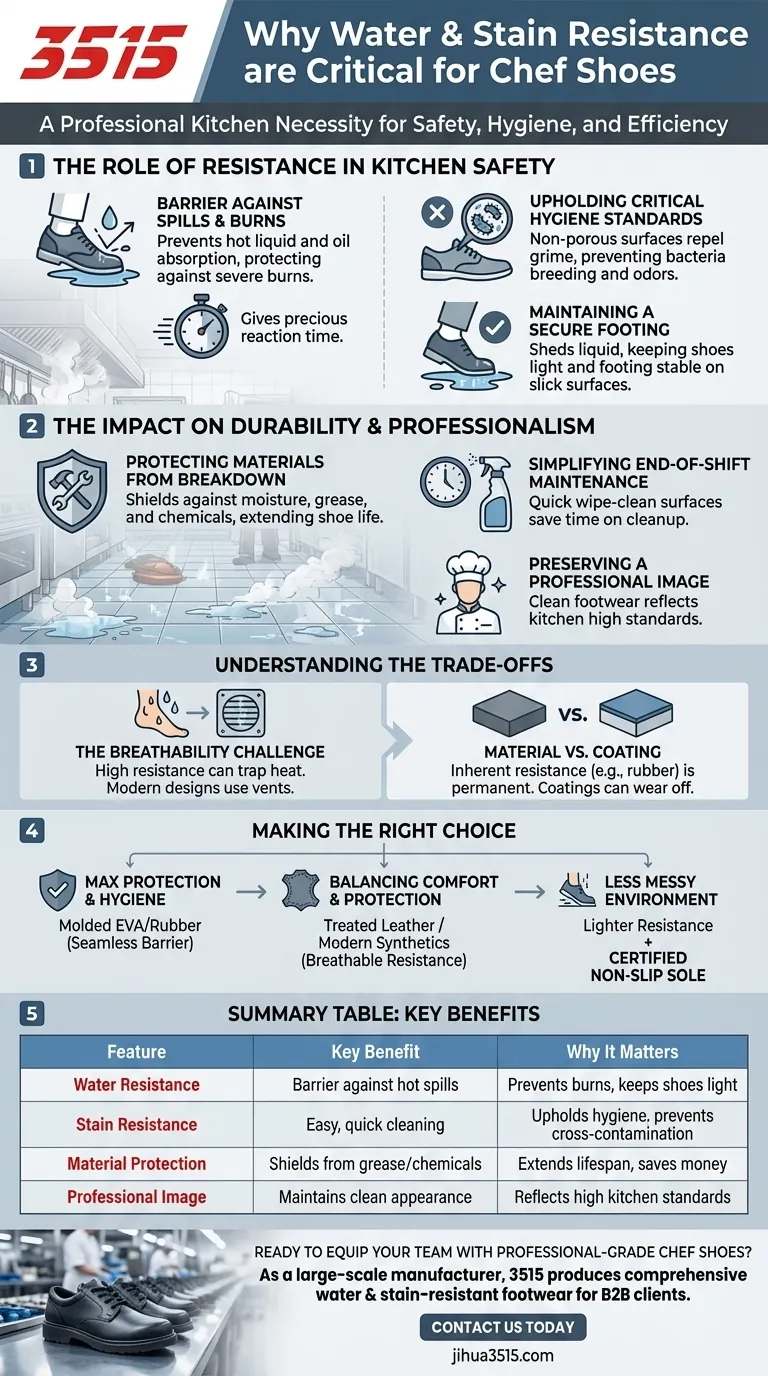
Visual Guide
Related Products
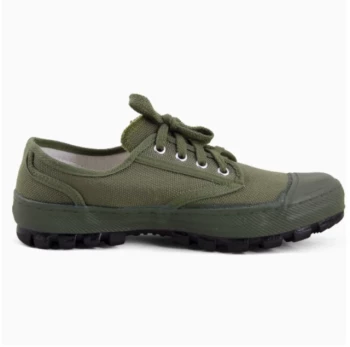
- Wholesale Durable Camouflage Canvas Shoes with High-Traction Cleated Rubber Sole
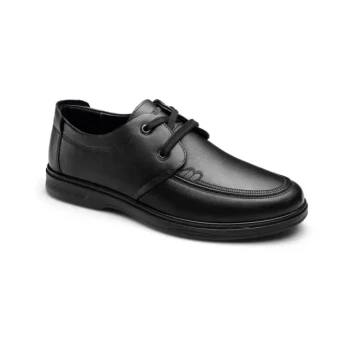
- Wholesale Comfortable Business Casual Shoes Custom Manufacturing
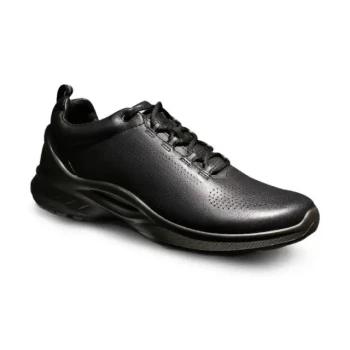
- Custom Manufactured Air Cushion Leather Business Shoes for Wholesale
- Wholesale Modern Comfort Shoes with Dial Closure for Private Label & Bulk Orders
- Custom OEM Training Shoes Wholesale Manufacturer Durable & Breathable
People Also Ask
- Why is the selection of high-strength fabric materials necessary in the production of canvas shoes and training shoes?
- What are the properties of canvas as a shoe material? A Guide to Lightweight Comfort & Style
- Can canvas shoes be worn in rainy conditions? The Truth About Water Resistance
- What are some examples of vulcanized shoes? Discover the Flexibility and Board Feel of Classic Sneakers
- What are the characteristics of canvas as a shoe material? A Guide to Lightweight, Breathable Footwear