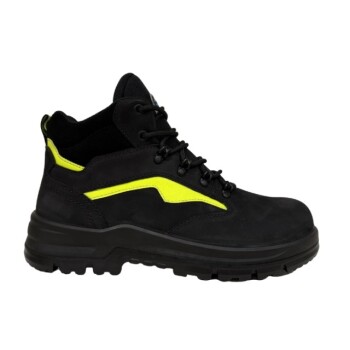
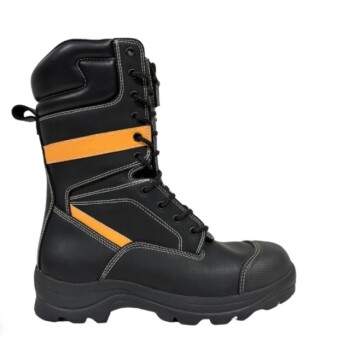
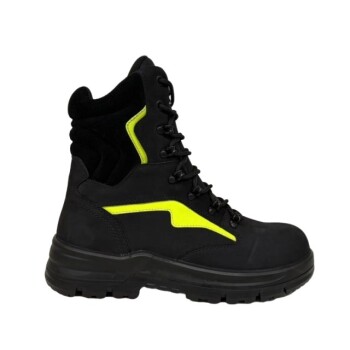
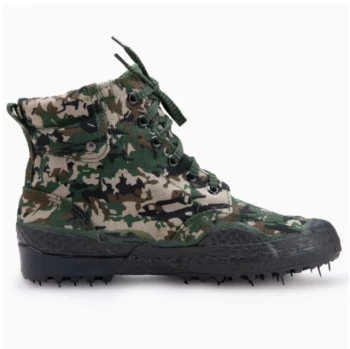
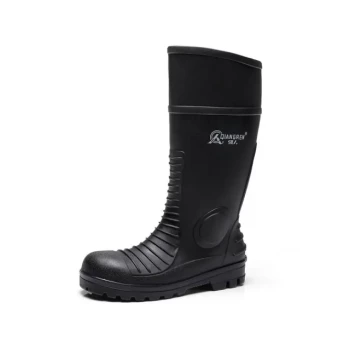
High-quality Outdoor Shoes or Tactical Boots are essential for wet environments like indigo dyeing because they provide superior slip resistance and waterproofing to navigate slick surfaces safely. Beyond basic traction, they serve as a critical protective barrier, preventing direct skin contact with dyeing agents and chemicals.
In hazardous, fluid-heavy settings, professional footwear functions as a comprehensive safety system. It combines advanced traction and structural stability to prevent immediate injuries, while simultaneously managing physical fatigue to maintain the cognitive focus required for chemical handling.
Critical Safety Mechanics in Wet Environments
Advanced Traction and Slip Resistance
The primary hazard in dyeing facilities is the wet, slippery floor. High-quality outdoor footwear utilizes advanced grip patterns specifically designed to channel water away and bite into slick surfaces.
This superior traction drastically reduces the likelihood of slip-and-fall accidents, which are common in fluid-intensive textile operations.
Structural Ankle Stability
Indigo dyeing processes often require complex physical movements. The high-top design found in many Tactical Boots provides rigid support to the ankle joint.
This added stability minimizes the risk of sprains and twists when workers are navigating uneven or slippery terrain.
Chemical Protection and Hygiene
In chemical-intensive environments, avoiding skin contact is paramount. These boots act as a protective barrier against dyeing agents.
By blocking direct exposure to chemicals, the footwear improves overall occupational hygiene and prevents potential dermatological issues or chemical burns.
Combatting Fatigue and Cognitive Decline
Managing Active and Passive Fatigue
Workers face two types of fatigue: active fatigue from high-frequency movement and passive fatigue from prolonged stationary standing.
Professional footwear is engineered to mitigate both by using specialized materials that adapt to different levels of physical activity.
The Role of Cushioning and Support
High-quality shoes provide a precise balance of cushioning and structural support.
This prevents the accumulation of musculoskeletal stress that typically results from working on hard, wet industrial floors for extended periods.
Preserving Cognitive Focus
There is a direct link between physical comfort and mental sharpness. By reducing physical discomfort, professional footwear helps workers avoid cognitive decline.
Maintaining mental alertness is vital in high-pressure environments where a lapse in attention could lead to chemical spills or operational errors.
Understanding the Importance of Quality Control
The Risk of Improper Assembly
Not all boots labeled "tactical" or "outdoor" are suitable for industrial safety. Rigorous quality control is crucial during production to ensure proper assembly and adherence to safety standards.
Routine Testing and Reliability
Footwear must undergo routine testing to verify its durability and protective features.
Investing in verified, high-quality gear ensures the footwear will actually perform under stress, leading to fewer workplace injuries compared to cheaper, lower-standard alternatives.
Making the Right Choice for Your Safety Protocols
- If your primary focus is preventing acute injuries: Prioritize Tactical Boots with a high-top design and aggressive tread patterns to maximize ankle support and slip resistance.
- If your primary focus is worker endurance and focus: Select footwear with specialized cushioning systems designed to mitigate musculoskeletal stress and prevent cognitive fatigue.
- If your primary focus is chemical safety: Ensure the footwear offers confirmed waterproofing and material impermeability to act as a reliable barrier against dyeing agents.
The right footwear is not just an accessory; it is a fundamental component of the worker's safety infrastructure.
Summary Table:
| Key Benefit | Impact in Wet/Chemical Environments |
|---|---|
| Advanced Traction | Prevents slip-and-fall accidents on slick, wet surfaces. |
| Chemical Protection | Acts as a barrier against dyeing agents and hazardous chemicals. |
| Ankle Stability | Minimizes sprains and twists on uneven or slippery terrain. |
| Fatigue Mitigation | Reduces musculoskeletal stress from prolonged standing and movement. |
| Cognitive Focus | Preserves mental alertness by reducing physical discomfort and strain. |
Elevate workplace safety and performance for your customers with 3515's premium footwear solutions. As a large-scale manufacturer serving distributors and brand owners, 3515 offers comprehensive production capabilities for all footwear types, anchored by our flagship Safety Shoes series. Our extensive portfolio covers work and tactical boots, outdoor shoes, training shoes, and sneakers, as well as Dress & Formal shoes to meet diverse bulk requirements. Partner with us to provide durable, high-quality footwear that meets diverse bulk requirements and ensures worker protection. Contact us today to discuss your production needs!
References
- Laksanee Boonkhao, Pongsak Rattanachaikunsopon. Factors Associated with Ergonomic Risk among Informal Workers in the Northeast of Thailand. DOI: 10.13189/ujph.2023.110309
This article is also based on technical information from 3515 Knowledge Base .
Related Products
- Durable Rubber Sole Outdoor Shoes Wholesale & Custom Manufacturing
- Wholesale Premium Waterproof Nubuck Safety Shoes Boots
- Wholesale Waterproof Tactical Boots Custom Suede & High-Traction Soles
- Durable Rubber-Soled Utility Shoes for Wholesale & Custom Brand Manufacturing
- Heavy-Duty Waterproof Nubuck Safety Boots Safety Shoes for Bulk Supply
People Also Ask
- What is the function of the sole in outdoor shoes? Find the Perfect Grip and Support
- What role do outdoor shoes and sneakers play in navigating external terrains? Engineered Stability for Every Surface
- How is AI utilized in the design of outdoor and safety footwear? Harnessing Big Data for Market-Driven Shoe Innovation
- Why is durability important when selecting outdoor shoes? A Guide to Safety & Long-Term Value
- What are the key components of outdoor shoes that affect comfort and sturdiness? A Guide to Durable, High-Performance Footwear