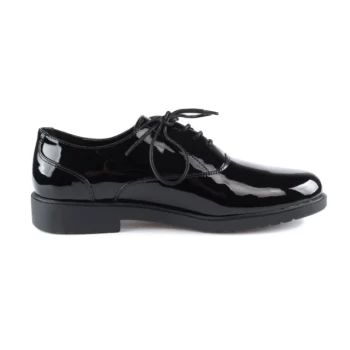
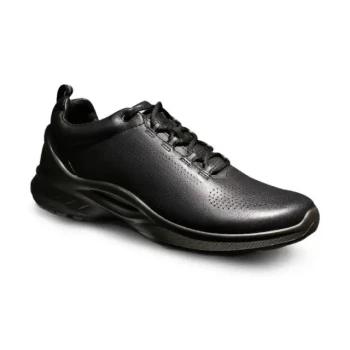
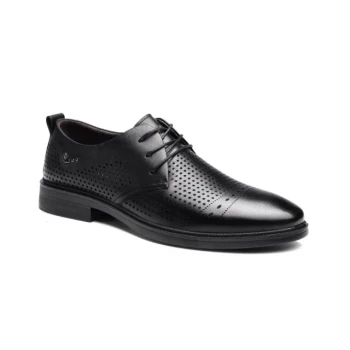
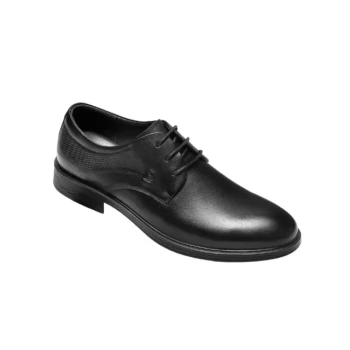
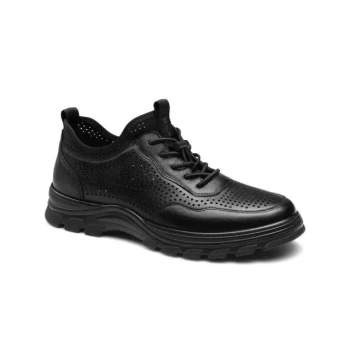
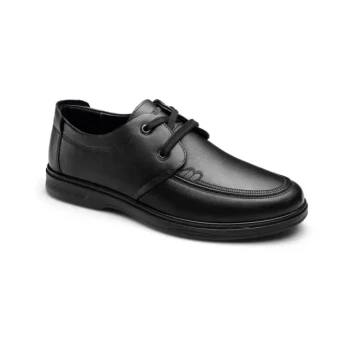
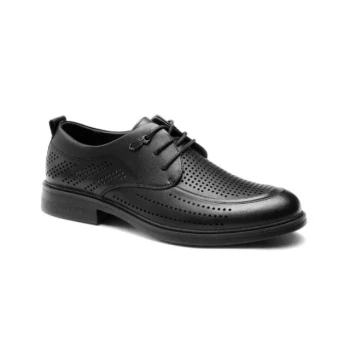
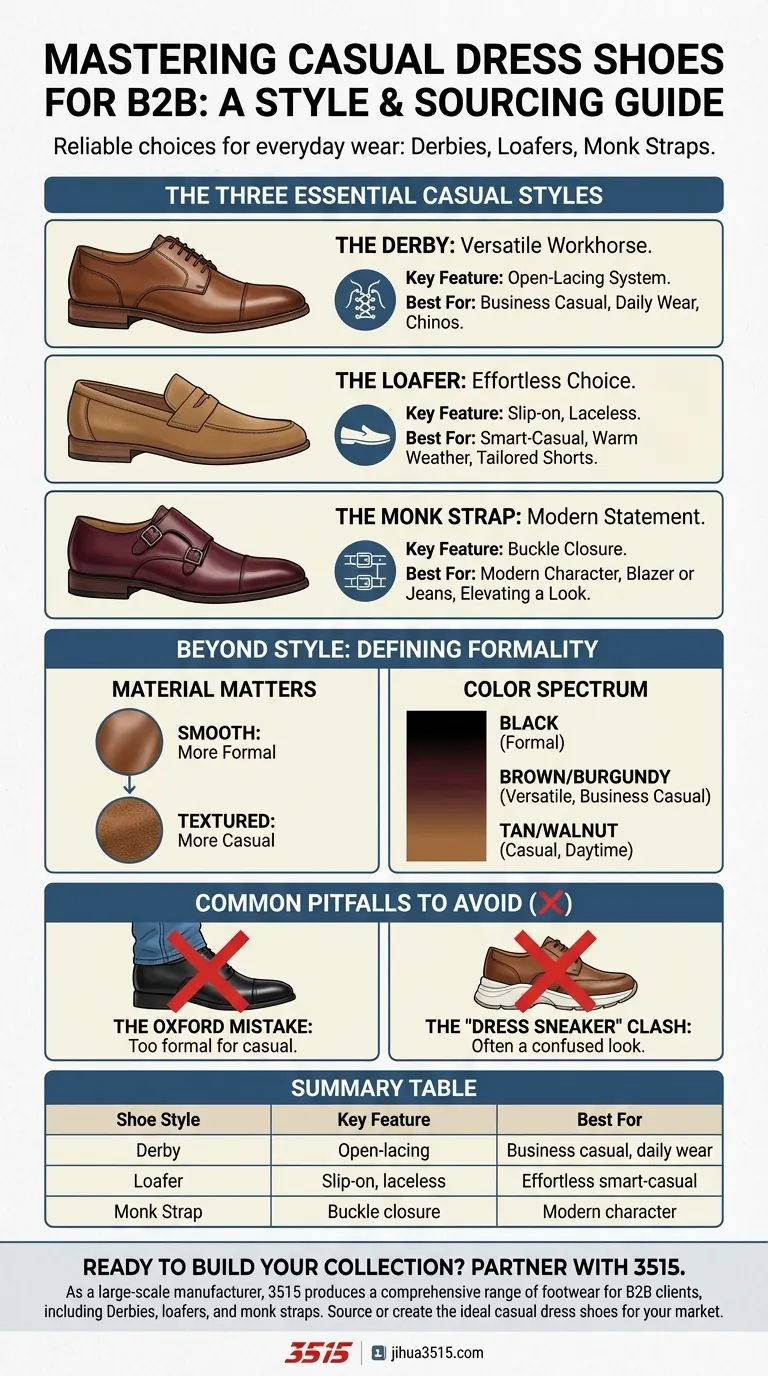
The most reliable dress shoes for casual, everyday wear are Derbies, loafers, and monk straps. Unlike their more formal counterparts like the Oxford, these styles possess design elements—such as open lacing, slip-on construction, or distinctive buckles—that make them perfectly suited for pairing with chinos, smart denim, and business casual trousers.
The key to choosing a casual dress shoe isn't just knowing the names of the styles. It's about understanding the specific details—construction, material, and color—that shift a shoe from the boardroom to the brewpub.
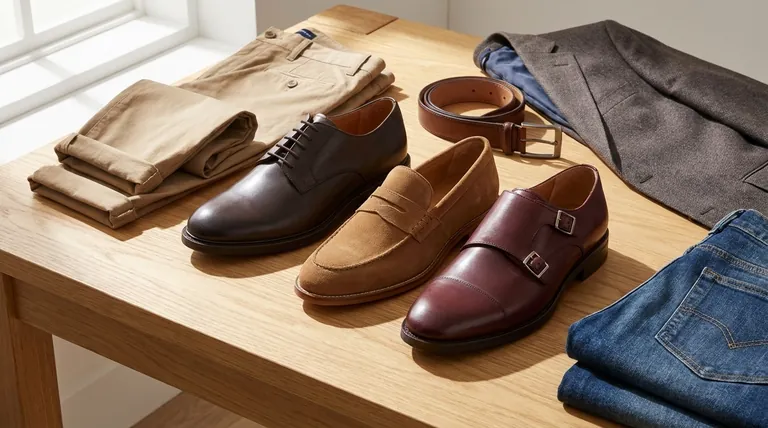
The Anatomy of a Casual Dress Shoe
To make confident choices, you need to recognize the signals that make a shoe more or less formal. The most common casual styles each have distinct characteristics that place them correctly on this spectrum.
The Derby: The Versatile Workhorse
The Derby is arguably the most essential casual dress shoe. Its defining feature is an open-lacing system, where the shoelace eyelet facings are stitched on top of the shoe's vamp.
This construction creates a more relaxed and accommodating fit, making it inherently less formal than the sleek, closed-lacing system of an Oxford. Derbies, especially with details like a wingtip brogue, are the go-to choice for business casual.
The Loafer: The Effortless Choice
The loafer is a laceless, slip-on shoe that excels in smart-casual settings. Its convenience and clean silhouette make it a staple for warmer weather and relaxed environments.
Materials play a huge role here. A loafer in a textured material like suede is significantly more casual than one in polished black leather, making it a perfect partner for chinos or even tailored shorts.
The Monk Strap: The Modern Statement
The monk strap closes with buckles and straps rather than laces. This unique design element adds a touch of modern character that sets it apart from more traditional footwear.
Whether it has one strap (a single monk) or two (a double monk), this style strikes a perfect balance. It's sophisticated enough for a blazer but distinctive enough to elevate a simple pair of jeans.
Beyond Style: The Details That Define Formality
The specific shoe type is your starting point, but other visual cues are just as important in determining how casual a shoe truly is.
Material: Smooth vs. Textured
The texture of the leather is a primary indicator of formality. Smooth, high-shine calfskin is the most formal option.
Conversely, materials like suede or pebbled-grain leather have a more rugged, textured appearance that immediately reads as more casual and relaxed.
Color: The Formality Spectrum
Color follows a clear hierarchy. Black is the most formal color, reserved for business and formal events.
Dark brown and oxblood/burgundy are the most versatile, sitting perfectly in the business casual zone. Lighter shades like tan or walnut are progressively more casual and best suited for daytime wear.
Common Pitfalls to Avoid
Navigating shoe formality also means knowing what not to do. Certain choices can easily create a disjointed or inappropriate look.
Misusing the Oxford
The most common mistake is wearing a formal black cap-toe Oxford with casual attire like jeans. The Oxford's sleek, closed-lacing construction is built for suits and formal trousers, and it creates a jarring contrast with casual fabrics.
The "Dress Sneaker" Dilemma
As office dress codes relax, the "dress sneaker" has grown in popularity. However, this hybrid often represents a significant clash in formality.
While comfortable, a sneaker sole attached to a dress shoe upper can look confused. Its appropriateness is highly dependent on your specific workplace culture and is generally not a timeless choice.
Making the Right Choice for Your Goal
Select your shoe based on the role you need it to fill most often in your wardrobe.
- If your primary focus is maximum versatility for business casual: A Derby in dark brown or burgundy is the most reliable foundation for your wardrobe.
- If your primary focus is effortless, smart-casual style: A suede loafer provides unmatched comfort and a relaxed yet polished look.
- If your primary focus is adding modern character: A single or double monk strap offers a confident and distinctive alternative to traditional lacing.
By understanding these core principles of construction and material, you can confidently select the right shoe for any casual or business casual occasion.
Summary Table:
| Shoe Style | Key Feature | Best For |
|---|---|---|
| Derby | Open-lacing system | Business casual, versatile daily wear |
| Loafer | Slip-on, laceless | Effortless smart-casual, warm weather |
| Monk Strap | Buckle closure | Modern character, blazer or jeans |
Ready to build your perfect casual shoe collection?
As a large-scale manufacturer, 3515 produces a comprehensive range of footwear for distributors, brand owners, and bulk clients. Our production capabilities encompass all types of shoes and boots, including the versatile Derbies, comfortable loafers, and stylish monk straps discussed in this article. We can help you source or create the ideal casual dress shoes for your market.
Contact us today to discuss your footwear needs and discover how we can bring quality and style to your inventory.
Visual Guide
Related Products
- Wholesale Leather Business Casual Shoes with Dial Closure - Manufacturer of Comfort Dress Sneakers
- Wholesale Comfortable Business Casual Shoes Custom Manufacturing
- Dial Closure Leather Business Casual Shoes for Wholesale & Private Label
- Wholesale Comfort Dress Shoes with Dial Closure for Custom Manufacturing
- Classic Leather Derby Dress Shoes Wholesale & Custom Manufacturing
People Also Ask
- What factors should be considered to ensure the right business casual shoe choice? A Guide to Professional Footwear
- What are the key characteristics of the best business casual shoes? Find Versatile, Professional Footwear
- How important is comfort in business casual shoes? The Key to All-Day Professional Performance
- What are some ways to style business casual shoes with skirts? Elevate Your Professional Wardrobe
- What materials are recommended for business casual shoes? Choose the Right Material for a Polished Look