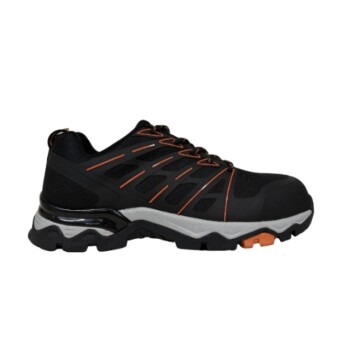
A physical power switch serves as the ultimate hardware fail-safe. It allows for the immediate disconnection of power to thermal feedback modules, bypassing all software controls to prevent injury or device damage.
While software typically regulates temperature, a physical switch provides a necessary "hard stop" to instantly halt heat generation during a system malfunction or thermal runaway event.
The Necessity of Hardware Redundancy
Overcoming Software Failures
Thermal feedback systems rely on complex code to regulate temperature. However, software can freeze, crash, or enter undefined states.
If the control logic fails while the heating elements are active, the system could remain stuck in an "on" state. A physical switch ensures that you can cut the power regardless of the software's status.
Halting Thermal Runaway
Thermoelectric effects can generate heat rapidly. In rare cases, components may accumulate excessive heat faster than the sensors can regulate.
The physical switch breaks the circuit at the hardware level. This stops the flow of current immediately, preventing the thermal modules from continuing to climb in temperature.
Protecting the User
Preventing Skin Discomfort
Footwear places technology in direct contact with the body. Because the device is worn against the skin, even minor overheating can quickly cause discomfort or burns.
The switch empowers the wearer to react instantly to physical sensations. If the device feels too hot, the user does not need to wait for a software command to process.
Manual Deactivation
During testing phases or standard operation, a user may need to shut down the system quickly.
The switch provides a clear, tactile method for manual deactivation. This ensures the system is truly off when not in use or when a potential hazard is detected.
Understanding the Trade-offs
Reliance on User Response
While a physical switch is a critical safety feature, it is reactive rather than proactive.
It relies on the user noticing the discomfort or malfunction and physically reaching down to flip the switch. Unlike an automatic thermal fuse, this safety layer requires human intervention.
Accessibility Challenges
The placement of the switch is vital for it to be effective.
If the switch is buried inside the shoe or difficult to reach while walking, its utility as an emergency stop is compromised. It must be accessible enough to be triggered immediately upon detecting heat.
Making the Right Choice for Your Goal
When integrating or evaluating thermal footwear, consider how the switch fits into your broader safety protocol.
- If your primary focus is Prototype Testing: Ensure the switch is easily accessible to the engineering team to function as an emergency "kill switch" during code debugging.
- If your primary focus is Consumer Safety: Verify that the switch is durable and positioned where a user can reach it quickly without removing the shoe.
Safety in wearable thermal technology requires a reliable, mechanical way to say "stop."
Summary Table:
| Feature | Role of Physical Switch | Benefit for Wearable Tech |
|---|---|---|
| Hardware Fail-safe | Bypasses software to disconnect power | Prevents overheating during system crashes |
| Thermal Control | Halts thermal runaway immediately | Protects user from skin burns and discomfort |
| Deactivation | Provides tactile, manual shut-off | Ensures system is truly 'off' for storage or safety |
| Redundancy | Acts as an emergency 'kill switch' | Provides a backup when sensors or logic fail |
As a large-scale manufacturer serving distributors and brand owners, 3515 offers comprehensive production capabilities for all footwear types, anchored by our flagship Safety Shoes series. Whether you are developing advanced thermal feedback prototypes or scaling mass-market tactical boots, outdoor shoes, or sneakers, we prioritize user safety through rigorous hardware standards. Let 3515 help you integrate reliable safety features into your footwear line—contact our expert team today to discuss your bulk manufacturing requirements.
References
- Bettina Eska, Florian Müller. ThermoFeet: Assessing On-Foot Thermal Stimuli for Directional Cues. DOI: 10.1145/3626705.3627974
This article is also based on technical information from 3515 Knowledge Base .
Related Products
- Premium KPU Injection Athletic Style Safety Shoes
- Premium Safety Shoes with Rotating Buckle Safety Sneakers
- Premium KPU Athletic Safety Shoes for Wholesale
- Athletic Safety Shoes with Dial Closure & Steel Toe for Wholesale & Custom Manufacturing
- Wholesale Mesh Steel Toe Safety Shoes with Dial Closure Factory Production
People Also Ask
- How do athletic-style safety shoes balance flexibility and safety? Perfect Agility for Active Professionals
- What is a recommended alternative to using hairspray for slip resistance? Ditch Unreliable Hacks for Real Safety
- What workplace hazards indicate the need for safety shoes? Identify risks to protect your workforce.
- Why should ergonomics and comfort be prioritized when selecting safety shoes? Boost Compliance & Worker Health
- What role does blockchain play in footwear supply chain transparency? Enhance Safety Shoe Traceability and Verification