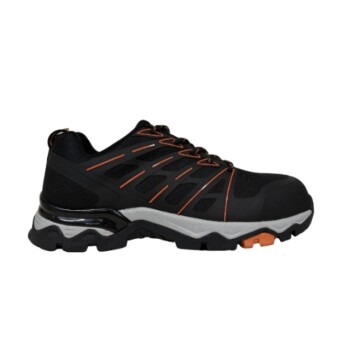
Yokoten, or Horizontal Deployment, serves as the central nervous system for safety knowledge, transforming isolated accidents into factory-wide prevention strategies. These documents play a dual role: they function as detailed historical records of incidents using standardized tables, and more importantly, they act as active educational resources that enforce new safety standards across every department.
Yokoten documents bridge the gap between reactive reporting and proactive prevention. By taking the specific lessons learned from a single station—such as the cutting department—and systematically applying them across the entire facility, these documents ensure that a failure in one area strengthens the safety protocols of the entire factory.
Structuring Safety Data for Impact
Moving Beyond Simple Narratives
Yokoten documents are not vague summaries; they rely on standardized tables to enforce rigorous data collection.
To be effective, these tables capture the specific source of the hazard, the exact consequences of the injury, and the resulting lost workdays.
This level of granular detail allows safety teams to identify patterns that a simple narrative report might miss.
The Document as an Educational Resource
The primary reference highlights that these documents must go beyond serving as a "historical summary."
They are designed to be educational tools that inform the workforce about specific risks and the necessary countermeasures.
By treating accident data as learning material, the factory shifts from a culture of blame to a culture of continuous learning.
From Local Incident to Global Standard
Breaking Down Departmental Silos
In a typical factory, an accident in the cutting department might otherwise remain unknown to the assembly or finishing teams.
Yokoten documents mandate the dissemination of these incidents across the entire facility.
This ensures that knowledge is not trapped within a specific team but is "deployed horizontally" to everyone who might face similar risks.
Preventing Recurrence Through Standardization
The ultimate goal of Yokoten is to prevent the recurrence of similar accidents in different areas.
When a countermeasure is developed for a specific hazard, the Yokoten process ensures this fix becomes a standardized procedure for all compatible stations.
This standardization creates a uniform safety net, protecting workers regardless of their specific physical location in the plant.
Common Pitfalls in Implementation
The Risk of Passive Storage
A major pitfall occurs when Yokoten documents are treated solely as compliance paperwork or archival records.
If the data remains locked in a file without being actively disseminated, the "deployment" aspect fails, rendering the document useless for prevention.
Overlooking Relevance
While the goal is factory-wide awareness, blind dissemination can lead to information overload.
Effective Horizontal Deployment requires translating the lesson from one department so that it is practically applicable to the specific context of other areas.
Making the Right Choice for Your Goal
To maximize the effectiveness of Yokoten in your footwear factory, focus on how you utilize the data:
- If your primary focus is Immediate Risk Reduction: rigorousy analyze the "source of hazard" column in your tables to identify and eliminate physical threats immediately.
- If your primary focus is Long-Term Cultural Change: Use the documents as training material to educate workers on the "injury consequences" and "lost workdays" to build a shared sense of responsibility.
The true value of Yokoten lies not in recording the past, but in standardizing the future to ensure safety is consistent, not accidental.
Summary Table:
| Key Feature of Yokoten | Role in Safety Improvement | Factory Impact |
|---|---|---|
| Standardized Tables | Captures granular data on hazards and consequences | Facilitates pattern recognition across departments |
| Educational Tools | Converts accident reports into training materials | Shifts culture from blame to continuous learning |
| Horizontal Deployment | Breaks down silos between different departments | Ensures cutting room lessons protect assembly teams |
| Process Standardization | Mandates specific countermeasures factory-wide | Creates a uniform safety net for all personnel |
Elevate Your Factory Safety Standards with 3515
At 3515, we understand that operational excellence and worker safety go hand-in-hand. As a premier large-scale manufacturer serving global distributors and brand owners, we integrate rigorous safety protocols like Yokoten into our comprehensive production processes.
Whether you require our flagship Safety Shoes and Tactical Boots, or need high-volume production for Outdoor, Training, or Dress Shoes, we offer the scale and safety-first mindset your brand deserves. Partner with a manufacturer that prioritizes precision and protection in every stitch.
Contact our expert team today to discuss your bulk footwear requirements
References
- José Carlos Sá, Gilberto Santos. Assessment of the Impact of Lean Tools on the Safety of the Shoemaking Industry. DOI: 10.3390/safety9040070
This article is also based on technical information from 3515 Knowledge Base .
Related Products
- Premium Suede Sport Safety Shoes for Wholesale & Bulk Orders
- Premium Lightweight Safety Shoes for Wholesale & Bulk Orders
- Wholesale Anti-Smash & Puncture-Proof Safety Shoes Custom Manufacturing for Brands
- Premium KPU Injection Athletic Style Safety Shoes
- Premium Safety Shoes with Rotating Buckle Safety Sneakers
People Also Ask
- What industries have specific OSHA footwear requirements? Ensure Compliance & Protect Your Workforce
- What are the primary functions of professional safety shoes? Maximize Safety in Water Supply Confined Spaces
- What role do specialized safety shoes play in preventing falls? Engineering Stability in Industrial Environments
- How does professional industrial cleaning equipment maintain the performance stability of safety shoes? Pro Maintenance
- Why are customized foot sensors or professional safety shoes incorporated into biomechanical testing? Precision Insights