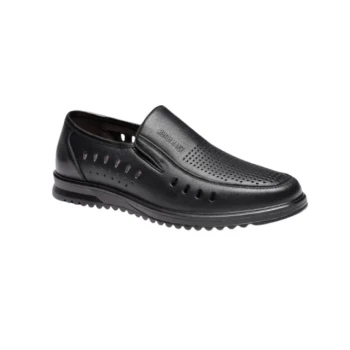
Smart pressure-sensing insoles act as a portable, high-fidelity gait analysis laboratory worn directly inside the shoe. By integrating multi-point capacitive pressure sensors and inertial measurement units (IMUs), they monitor critical metrics like plantar pressure distribution, walking speed, stride length, and gait cycles in real time. This technology captures subtle biomechanical shifts—such as gait asymmetry or prolonged double-support time—that are often invisible to the naked eye.
These devices bridge the gap between subjective observation and quantitative analysis, providing the core objective evidence needed to evaluate drug efficacy, detect fall risks, and tailor rehabilitation plans for Parkinson's patients.
Moving Beyond the Laboratory
Portable vs. Fixed Systems
Traditionally, gait analysis relied on high-cost stationary force plates confined to laboratory settings. Smart insoles serve as a portable alternative, freeing data collection from these controlled environments.
capturing Authentic Data
Because the sensors are integrated into the footwear, they capture gait performance during natural walking in daily living environments. This provides a more authentic representation of a patient's mobility than brief, observed walks in a clinic.
The Biomechanical Data Profile
Core Metrics Tracked
The insoles utilize built-in sensors to track fundamental gait parameters. Key data points include walking speed, stride length, and gait cycle duration.
Advanced Pressure Analysis
Using multi-point sensors (such as capacitive sensors or force-sensitive resistors), the system maps plantar pressure distribution. This allows technicians to analyze how the center of gravity transfers throughout the movement.
Identifying Subtle Anomalies
The primary technical value lies in detecting minute changes. The system flags specific issues like prolonged double-support time (when both feet are on the ground) or a lack of gait symmetry, which are early indicators of motor decline.
Clinical Applications in Parkinson's Care
Evaluating Drug Efficacy
The objective data collected serves as "core evidence" for clinicians. It allows for the precise evaluation of how well medication is managing motor symptoms over time.
Personalized Rehabilitation
By pinpointing specific biomechanical deficits, therapists can develop personalized rehabilitation plans. The data ensures interventions target the patient's specific gait irregularities.
Fall Risk and Safety
Continuous monitoring is critical for identifying Freezing of Gait (FOG) patterns. Early identification of these patterns enables proactive screening for fall risks, potentially preventing injury.
Understanding the Trade-offs
Environment vs. Control
While insoles offer dynamic, real-world data, they function differently than stationary lab equipment. Stationary force plates provide a highly controlled environment, whereas insoles prioritize portability and continuous monitoring.
Data Volume and Interpretation
The shift to continuous, out-of-lab monitoring generates significantly more data than a lab test. This requires robust systems to interpret the dynamic data effectively to distinguish between normal daily variations and pathological changes.
Making the Right Choice for Your Goal
- If your primary focus is Early Screening: Prioritize systems that offer continuous monitoring in daily environments to detect subtle fall risks and Freezing of Gait (FOG) patterns that may not appear in a short clinic visit.
- If your primary focus is Treatment Optimization: Focus on the device's ability to measure specific metrics like gait symmetry and double-support time to objectively evaluate drug efficacy and rehabilitation progress.
Smart insoles transform gait analysis from a sporadic snapshot into a continuous, objective video of a patient's motor health.
Summary Table:
| Feature | Stationary Force Plates | Smart Pressure-Sensing Insoles |
|---|---|---|
| Environment | Controlled Laboratory/Clinic | Natural Daily Living Environments |
| Data Collection | Short-duration Snapshot | Continuous Long-term Monitoring |
| Key Metrics | Ground Reaction Force | Plantar Pressure, Stride Length, FOG Patterns |
| Core Value | High-precision Baseline | Authentic Data & Early Fall Risk Detection |
| Cost/Mobility | High Cost / Fixed Location | Cost-effective / Portable Wearable |
Elevate Your Medical Footwear Solutions with 3515
As a large-scale manufacturer serving global distributors and brand owners, 3515 offers comprehensive production capabilities for all footwear types. We understand the critical integration of technology and comfort required for specialized needs like Parkinson's gait monitoring.
Beyond our flagship Safety Shoes series, our extensive portfolio includes tactical boots, outdoor shoes, training shoes, and sneakers, as well as Dress & Formal shoes designed to accommodate advanced orthopedic and smart sensor inserts. Partner with us to bring high-quality, high-fidelity footwear solutions to your bulk requirements.
Contact our expert team today to discuss your production needs!
References
- Daniel Rodríguez-Martín, Carlos Pérez‐López. Commercial symptom monitoring devices in Parkinson’s disease: benefits, limitations, and trends. DOI: 10.3389/fneur.2024.1470928
This article is also based on technical information from 3515 Knowledge Base .
Related Products
- Lightweight Breathable Sneakers with Wet-Traction Grip for Wholesale & Private Label
- Wholesale Breathable Athletic Sneakers - Custom Lightweight Cushioned Footwear Manufacturer
- Wholesale Durable Safety Boots Manufacturer Customizable Steel Toe Work Boots
- Wholesale Lightweight Cushioned Athletic Sneakers for Custom Bulk Production
- Wholesale Breathable Training Shoes Custom Athletic Footwear Manufacturer
People Also Ask
- Why are breathable sneakers necessary for tropical commuting? Stay Cool and Dry in High Humidity
- What role do lightweight training shoes play in urban traffic? Boost Agility and Reaction for Safer City Navigation
- How do lightweight shoes provide support? The Science of Efficient Cushioning & Stability
- What are the style advantages of lightweight shoes? Sleek, Versatile & Modern Comfort
- How do lightweight shoes improve breathability? Discover the Science of Cool, Dry Feet