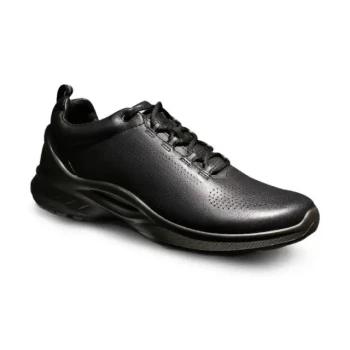
The fundamental value of regular shoes lies in their exceptional versatility and adaptability to a wide range of non-specialized, everyday activities. They are designed to be a reliable default, offering a practical balance of comfort, style, and function for the common demands of daily life, from commuting to casual social events.
The true value of a "regular" shoe is not its ability to excel at any single, specific task, but its capability to perform adequately across the vast majority of them, making it the most practical and cost-effective choice for most people, most of the time.
The Core Pillars of Value in Everyday Footwear
The value proposition of a standard shoe is built on a few key principles that directly address the needs of a typical lifestyle. It's a design philosophy centered on generalization over specialization.
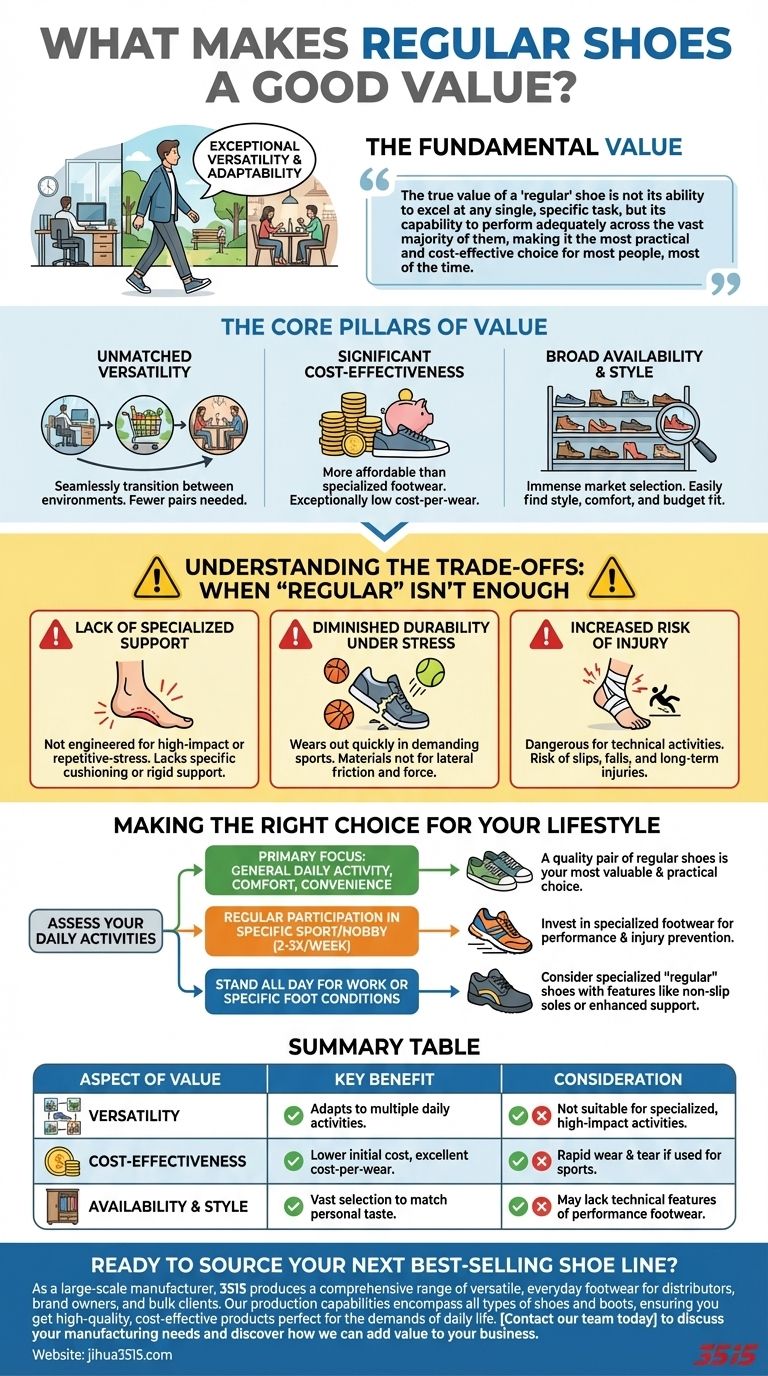
Unmatched Versatility
A single pair of regular shoes, like a classic sneaker or casual leather shoe, can seamlessly transition between various environments. They are appropriate for the office, a walk in the park, running errands, or meeting friends for dinner. This adaptability means you need fewer pairs of shoes overall.
Significant Cost-Effectiveness
Compared to highly specialized footwear (like performance running shoes, cycling cleats, or technical hiking boots), regular shoes are typically far more affordable. Because they can be worn for many different activities, their cost-per-wear is exceptionally low, representing a sound financial choice for daily use.
Broad Availability and Style
The market for regular shoes is immense. This translates to a nearly infinite selection of styles, materials, and colors available at countless retailers. This wide availability ensures you can easily find a pair that fits your personal style, comfort needs, and budget without a difficult search.
Understanding the Trade-offs: When "Regular" Isn't Enough
The strength of the regular shoe—its versatility—is also the source of its primary limitation. Understanding this trade-off is crucial for making smart decisions about your footwear.
Lack of Specialized Support
Regular shoes are not engineered for high-impact or repetitive-stress activities. They lack the specific cushioning systems of running shoes, the rigid ankle support of hiking boots, or the firm soles required for heavy lifting.
Diminished Durability Under Stress
Using a casual sneaker for a demanding sport like basketball or tennis will cause it to wear out extremely quickly. The materials and construction are not designed to withstand the lateral movements, friction, and force inherent in specialized activities.
Increased Risk of Injury
Attempting a technical activity in regular shoes can be dangerous. The lack of proper support, grip, and stability significantly increases the risk of slips, falls, twisted ankles, and long-term stress injuries. The value proposition collapses the moment safety and performance become critical.
Making the Right Choice for Your Lifestyle
Choosing the right shoe is about honestly assessing your daily activities and prioritizing your needs.
- If your primary focus is general daily activity, comfort, and convenience: A quality pair of regular shoes is unequivocally your most valuable and practical choice.
- If you regularly participate in a specific sport or hobby (even just 2-3 times per week): Investing in specialized footwear for that activity is essential for performance, preventing injury, and ensuring longevity of all your shoes.
- If you stand all day for work or have specific foot conditions: You may need a specialized "regular" shoe, such as one with certified non-slip soles or enhanced arch support, blending everyday style with specific features.
Ultimately, the right shoe is a tool designed for a specific job, and the job of a regular shoe is to handle the routine of everyday life.
Summary Table:
| Aspect of Value | Key Benefit | Consideration |
|---|---|---|
| Versatility | Adapts to multiple daily activities (office, errands, casual outings) | Not suitable for specialized, high-impact activities |
| Cost-Effectiveness | Lower initial cost and excellent cost-per-wear | Using them for sports can lead to rapid wear and tear |
| Availability & Style | Vast selection of styles and colors to match personal taste | May lack the specific technical features of performance footwear |
Ready to Source Your Next Best-Selling Shoe Line?
As a large-scale manufacturer, 3515 produces a comprehensive range of versatile, everyday footwear for distributors, brand owners, and bulk clients. Our production capabilities encompass all types of shoes and boots, ensuring you get high-quality, cost-effective products perfect for the demands of daily life.
Contact our team today to discuss your manufacturing needs and discover how we can add value to your business.
Visual Guide
Related Products
- Wholesale Comfortable Business Casual Shoes Custom Manufacturing
- Wholesale Durable & Breathable Training Shoes for Custom Brands
- Wholesale Modern Comfort Shoes with Dial Closure for Private Label & Bulk Orders
- Wholesale Breathable Training Shoes Custom Athletic Footwear Manufacturer
- Custom OEM Training Shoes Wholesale Manufacturer Durable & Breathable
People Also Ask
- What are the key characteristics of business casual shoes? Achieve Polished Versatility for Your Wardrobe
- Which types of shoes should be avoided with business casual attire? Maintain a Polished Professional Image
- What should be considered when selecting shoes for a casual business setting? Achieve the Perfect Balance of Style and Comfort
- What is the recommended approach to trying on business casual shoes? Ensure a Perfect Fit for Your Workday
- What are some types of business casual shoes? Build a Versatile & Professional Footwear Wardrobe