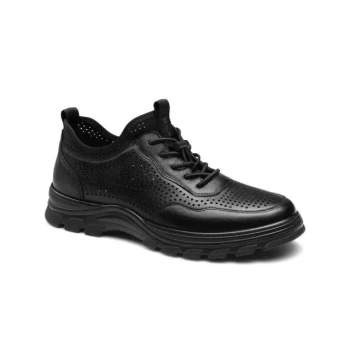
The strategic selection of high-quality cotton and durable natural materials functions as the foundation of a modern "slow fashion" business model. By prioritizing these materials over inexpensive synthetics, companies can extend product lifecycles, significantly enhance wear comfort, and directly address the growing consumer demand for supply chain transparency and environmental responsibility.
Integrating high-grade natural fibers is a dual-purpose strategy: it elevates the physical quality of the product while serving as the primary driver for reducing waste and emissions to meet sustainability goals.
The Shift to Slow Fashion Strategies
Moving Beyond Synthetics
The fashion industry is heavily reliant on inexpensive synthetic fibers. However, a strategic pivot to high-quality cotton distinguishes a brand by offering superior physical attributes.
Enhancing Wear Comfort
Natural materials provide a level of breathability and skin-feel that synthetics often cannot match. This creates a tangible value proposition for the consumer, linking sustainability directly to personal comfort.
Extending Product Lifecycles
Durable materials ensure that garments and footwear last longer. This longevity is the technical backbone of slow fashion, reducing the frequency of replacement and the total volume of manufacturing required over time.
Building a Responsible Brand Image
Meeting Consumer Demands
Modern consumers increasingly scrutinize the environmental impact of their purchases. Using durable, natural materials serves as a concrete demonstration of a company's commitment to environmental responsibility.
Supply Chain Transparency
High-quality sourcing often necessitates a cleaner, more traceable supply chain. Promoting this transparency helps footwear and apparel manufacturers build trust and a "responsible" brand identity in a crowded market.
Environmental Impact and Operations
Reducing Waste Generation
By focusing on durability, manufacturers contribute to a reduction in textile waste. Products that do not wear out quickly are less likely to end up in landfills prematurely.
Lowering Emissions
A strategy centered on natural, long-lasting materials helps companies achieve broader sustainability goals. This approach assists in lowering the cumulative emissions associated with the continuous production cycles typical of fast fashion.
Understanding the Strategic Trade-offs
Higher Material Costs
Sourcing high-quality cotton and durable natural fibers is invariably more expensive than using mass-produced synthetics. Businesses must adjust their pricing models to absorb these higher input costs.
Lower Turnover Volume
The "slow fashion" model relies on selling fewer, higher-quality items. This contrasts sharply with high-volume, low-margin business models and requires a shift in how revenue success is measured.
Making the Right Choice for Your Goal
To implement this strategy effectively, assess your specific business objectives:
- If your primary focus is Brand Loyalty: Prioritize the "wear comfort" aspect of high-quality cotton to differentiate your product from synthetic competitors.
- If your primary focus is Environmental Compliance: Leverage the "extended product lifecycle" of durable materials to demonstrably reduce waste and emissions in your sustainability reporting.
Ultimately, choosing high-quality materials is not just a design decision; it is an operational strategy that aligns profitability with ethical responsibility.
Summary Table:
| Strategic Factor | Impact on Business | Sustainability Value |
|---|---|---|
| Material Durability | Extends product life & reduces replacements | Minimizes textile waste & landfill impact |
| High-Quality Cotton | Superior breathability & wearer comfort | Natural alternative to petroleum-based synthetics |
| Supply Chain Clarity | Builds brand trust & consumer loyalty | Enhances transparency & ethical accountability |
| Slow Fashion Model | Shifts focus from volume to value | Lowers carbon emissions from production cycles |
Partner with 3515 for Sustainable Excellence
As a large-scale manufacturer serving global distributors and brand owners, 3515 integrates high-quality, durable materials into every step of our production. We help you transition to a more sustainable model by offering comprehensive manufacturing capabilities across all footwear types.
Our flagship Safety Shoes series and extensive portfolio—including work and tactical boots, outdoor shoes, training sneakers, and formal dress shoes—are engineered for longevity and comfort. By choosing 3515, you gain a partner dedicated to reducing environmental impact while maintaining the high-volume capacity your business requires.
Ready to elevate your product line with premium, sustainable materials?
Contact 3515 Today to Discuss Your Bulk Requirements
References
- Suzana Demyen. The Online Shopping Experience During the Pandemic and After—A Turning Point for Sustainable Fashion Business Management?. DOI: 10.3390/jtaer19040176
This article is also based on technical information from 3515 Knowledge Base .
Related Products
- Wholesale Durable Camouflage Canvas Shoes with High-Traction Cleated Rubber Sole
- Wholesale Durable & Breathable Training Shoes for Custom Brands
- Durable Rubber Sole Outdoor Shoes Wholesale & Custom Manufacturing
- Custom OEM Training Shoes Wholesale Manufacturer Durable & Breathable
- Lightweight Breathable Training Shoes for Wholesale & Custom OEM Manufacturing
People Also Ask
- Why is the selection of high-strength fabric materials necessary in the production of canvas shoes and training shoes?
- What are the properties of canvas as a shoe material? A Guide to Lightweight Comfort & Style
- Can canvas shoes be worn in rainy conditions? The Truth About Water Resistance
- What are some examples of vulcanized shoes? Discover the Flexibility and Board Feel of Classic Sneakers
- What are the characteristics of canvas as a shoe material? A Guide to Lightweight, Breathable Footwear