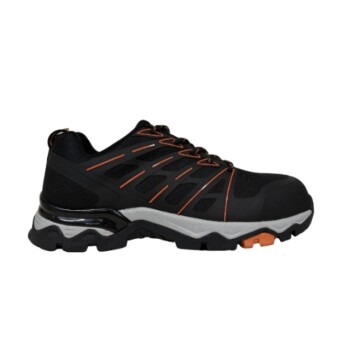
Compliance testing equipment serves as the definitive gatekeeper for the safety footwear industry. It validates the physical protective performance of professional work boots by simulating extreme industrial environments. By rigorously testing properties such as compression resistance, oil resistance, and anti-static capabilities, these tools ensure that products meet global safety thresholds before they ever leave the factory.
Compliance testing is more than a quality check; it acts as a robust technical barrier in international trade. It filters out inferior products to maintain market integrity while safeguarding the occupational health of the workforce.
Validating Protective Performance
Simulating Real-World Hazards
The primary function of this equipment is to replicate the harsh conditions found in industrial sectors. Rather than relying on theoretical designs, the machinery subjects footwear to physical stresses that mimic actual workplace dangers.
Key Performance Metrics
To ensure reliability, the equipment targets specific physical vulnerabilities. As noted in industry standards, critical tests include compression resistance (crush protection), oil resistance (chemical durability), and anti-static performance (electrical safety).
The Economic and Ethical Impact
A Technical Barrier to Trade
Compliance equipment plays a strategic role in global commerce. By enforcing strict adherence to safety thresholds, it prevents sub-standard manufacturing from entering the supply chain. This establishes a "technical barrier" that blocks inferior goods and protects the reputation of compliant manufacturers.
Safeguarding Human Capital
The ultimate significance of this technology is ethical. By verifying that safety gear performs as promised, the equipment protects the physical well-being of workers. It serves as the last line of defense for the people at the foundation of the industrial value chain.
Understanding the Limitations
Simulation vs. Unpredictability
While testing equipment is sophisticated, it relies on controlled simulations of extreme environments. It is important to recognize that laboratory tests provide a baseline for safety but cannot perfectly predict every variable in a chaotic, real-world accident.
The Scope of Verification
The equipment focuses heavily on physical protective properties. It is a tool for verifying "hard" metrics—like compression and resistance—but does not necessarily account for "soft" factors like long-term ergonomic comfort, which also impacts worker safety.
Evaluating Your Quality Assurance Strategy
For manufacturers and buyers alike, compliance testing is the mechanism that validates investment in safety.
- If your primary focus is Market Entry: Align your testing protocols strictly with international safety thresholds to navigate technical trade barriers effectively.
- If your primary focus is Risk Mitigation: Prioritize equipment that rigorously tests the specific hazards your workforce faces, such as anti-static performance for electrical environments.
Rigorous compliance testing is the only method to transform safety footwear from a simple commodity into a verified life-saving asset.
Summary Table:
| Key Feature | Significance in Production | Primary Metrics Tested |
|---|---|---|
| Performance Validation | Simulates extreme industrial hazards to ensure physical integrity. | Compression, Impact, Puncture Resistance |
| Trade Compliance | Acts as a technical barrier to filter out sub-standard products. | International Safety Standards (ISO/ASTM) |
| Risk Mitigation | Safeguards worker health by ensuring reliable protection. | Oil Resistance, Anti-static, Chemical Durability |
| Market Integrity | Protects brand reputation by guaranteeing quality thresholds. | Material Strength, Structural Longevity |
Partner with a Manufacturer Committed to Certified Excellence
At 3515, we understand that in the professional footwear industry, safety is non-negotiable. As a large-scale manufacturer serving global distributors and brand owners, we leverage rigorous compliance testing to ensure every pair of shoes meets the highest international standards.
Our comprehensive production capabilities cover all footwear types, anchored by our flagship Safety Shoes series. Whether you require high-performance tactical boots, outdoor shoes, training shoes, sneakers, or Dress & Formal shoes, we deliver bulk solutions that balance technical protection with ergonomic design.
Ready to elevate your product line with verified quality? Contact us today to discuss your bulk manufacturing needs!
References
- Guli‐Sanam Karimova, Stephen A. LeMay. Global standards and the philosophy of consumption: Toward a consumer‐driven governance of global value chains. DOI: 10.1111/beer.12648
This article is also based on technical information from 3515 Knowledge Base .
Related Products
- Advanced KPU Athletic Safety Shoe with Steel Toe Cap Anti-Slip Rotary Lacing System
- Premium KPU Athletic Safety Shoes for Wholesale
- Athletic Safety Shoes with Dial Closure & Steel Toe for Wholesale & Custom Manufacturing
- Premium KPU Injection Athletic Style Safety Shoes
- Premium Lightweight Safety Shoes for Wholesale & Bulk Orders
People Also Ask
- What are the key differences between steel toe and composite toe caps? Choose the Right Safety for Your Job
- What impact do steel toe caps have on toe skin health? Prevent Friction and Pressure in Your Safety Shoes
- What are the primary protective functions of safety shoes with steel toes in the automotive repair industry?
- What type of safety shoe is recommended for workers exposed to heavy machinery? Steel Toe Boots for Ultimate Protection
- How does defining specific friction interface models in FEA assist in predicting safety shoe toe cap failure modes?