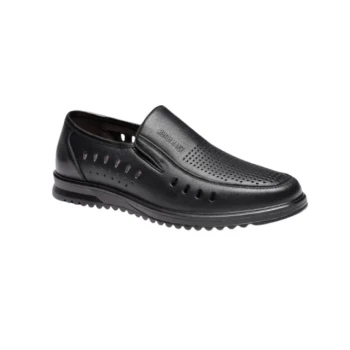
The primary purpose of a cyclic friction testing machine is to scientifically validatethe long-term durability of internal footwear components. By subjecting critical materials—specifically linings and insoles—to repetitive rubbing cycles that often exceed 25,600 repetitions, the equipment simulates the cumulative stress of extended walking. This rigorous testing protocol ensures that materials maintain their structural integrity, preventing the degradation that leads to user discomfort or injury.
Cyclic friction testing moves beyond simple material analysis to predict real-world failure points. It confirms that the interior of the shoe can withstand thousands of miles of use without breaking down and causing skin abrasions for the wearer.
Simulating Real-World Wear
Replicating the Walking Environment
Footwear fails from the inside out just as often as from the outside in. A cyclic friction testing machine is designed to replicate the specific, repetitive friction environment created inside a shoe during long-term walking.
It isolates the mechanical interaction between the foot and the inner materials. This ensures the data reflects actual use cases rather than static material properties.
The Significance of High Cycle Counts
A standard friction test might only scratch the surface, but cyclic testing is an endurance process. As noted in industry standards, these tests often subject materials to over 25,600 cycles.
This high volume is critical for identifying "fatigue failures." A material might look fine after 1,000 steps but disintegrate after 20,000. This machine reveals those long-term vulnerabilities before the product reaches the market.
Ensuring User Safety and Comfort
Preventing Material Degradation
The lining and insole are the primary interfaces between the wearer and the shoe structure. If these components degrade, the cushioning and protective layers are lost.
Cyclic testing validates wear resistance, ensuring the material does not pill, tear, or wear through to the rougher outer shell of the shoe.
Mitigating Skin Abrasions
The ultimate goal of this testing is user protection. When linings fail, they create rough spots that cause friction blisters and skin abrasions.
By verifying that materials remain smooth and intact under stress, manufacturers directly reduce the risk of injury to the wearer's feet.
Understanding the Constraints
Controlled vs. Complex Environments
While effective, this test isolates friction as the primary variable. It accurately measures wear resistance but does not necessarily account for other factors present in walking, such as heavy perspiration or extreme temperature fluctuations, unless combined with other environmental controls.
resource Intensity
Running a test for 25,600+ cycles is time-consuming. It represents a significant investment in quality assurance time compared to rapid static tests, creating a trade-off between speed of production and certainty of performance.
Applying Friction Data to Quality Control
To maximize the value of cyclic friction testing, you must align the results with your specific product goals.
- If your primary focus is longevity: Prioritize materials that show zero structural breakdown or thinning after the full 25,600-cycle threshold.
- If your primary focus is user comfort: Examine the surface texture of the material post-test to ensure it has not become abrasive, even if it remains structurally sound.
Consistently applying this standard ensures that the hidden components of your footwear deliver the same quality as the visible design.
Summary Table:
| Feature | Testing Detail | Benefit |
|---|---|---|
| Test Target | Linings & Insoles | Ensures internal component integrity |
| Cycle Count | 25,600+ Repetitions | Identifies long-term fatigue failures |
| Mechanism | Repetitive Rubbing | Simulates real-world walking stress |
| Outcome | Structural Validation | Prevents pilling, tearing, and blisters |
Partner with 3515 for High-Performance Footwear Manufacturing
As a large-scale manufacturer serving distributors and brand owners, 3515 offers comprehensive production capabilities for all footwear types, anchored by our flagship Safety Shoes series. Our rigorous quality control, including cyclic friction testing, ensures that every product—from work and tactical boots to sneakers and formal dress shoes—meets the highest standards of durability and user comfort.
Ready to elevate your product line with a partner committed to excellence? Contact us today to discuss your bulk requirements and discover how our manufacturing expertise can grow your brand.
References
- Noelia Rodríguez López, María Jesús Martínez Beltrán. Biomechanical analysis of barefoot walking and three different sports footwear in children aged between 4 and 6 years old. DOI: 10.1371/journal.pone.0291056
This article is also based on technical information from 3515 Knowledge Base .
Related Products
- Durable Leather Moc Toe Work Boots for Wholesale & Custom Manufacturing
- Lightweight Breathable Sneakers with Wet-Traction Grip for Wholesale & Private Label
- Wholesale Durable Safety Boots Manufacturer Customizable Steel Toe Work Boots
- Wholesale Durable & Breathable Training Shoes for Custom Brands
- Lightweight Breathable Training Shoes for Wholesale & Custom OEM Manufacturing
People Also Ask
- What are moc toe work boots designed for? Superior Comfort and Mobility for Tradespeople
- What are the key features to look for when purchasing moc toe boots? A Guide to Durability & Fit
- How did moc toe boots originate? A Legacy of Workwear Durability and Style
- What clothing items complement the Outdoorsman/Heritage Look with moc toe boots? Build a Timeless, Rugged Wardrobe
- What types of outfits can moc toe boots be worn with? Versatile Style Guide