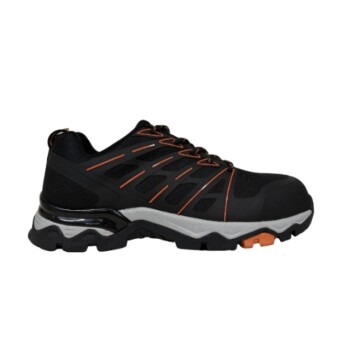
In woodworking production environments, the primary role of Personal Protective Equipment (PPE) is to serve as a physical barrier against mechanical injuries, dust inhalation, and hazardous chemical contact. It functions as the final line of defense in occupational health and safety management, specifically designed to mitigate the severity of accidents caused by unsafe operational behaviors or residual risks.
While engineering controls aim to remove hazards at the source, PPE focuses on isolating the worker from danger. It acts as a critical shield that reduces the direct probability of contact with harmful elements, ensuring that operational errors do not result in catastrophic injury or disease.
The Mechanics of Protection
To understand the necessity of PPE, one must look at the specific hazards inherent to woodworking. PPE does not alter the work environment; rather, it alters the worker's vulnerability to it.
Barrier Against Mechanical Trauma
Woodworking involves high-speed machinery, cutting tools, and heavy materials. PPE acts as a direct shield against these mechanical threats.
Items such as finger guards and impact-resistant gear reduce the risk of cuts, crushing, and repetitive strain injuries. This layer of protection is vital for dampening the physical impact during accidental contact with machinery.
Respiratory and Chemical Isolation
The production process generates significant amounts of wood dust and often utilizes volatile finishing chemicals.
Respiratory PPE, such as specialized masks, prevents the inhalation of particulates that can cause long-term lung damage. Similarly, protective gear isolates the skin and eyes from carcinogenic vapors or liquids, such as benzene or solvents found in finishes, preventing absorption into the body.
Strategic Position in Safety Management
PPE is often misunderstood as a "cure-all" for safety. In reality, its role is specific and positioned at the end of the safety hierarchy.
The Final Line of Defense
PPE is utilized only after engineering and administrative controls have been implemented.
It addresses the residual risks that cannot be engineered out of the process. If a machine guard fails or a ventilation system is insufficient, PPE ensures the worker remains protected from the remaining hazard.
Mitigating Unsafe Behaviors
Even in perfectly designed systems, human error and unsafe operational behaviors occur.
The primary reference notes that PPE directly reduces the severity of accidents resulting from these behaviors. It ensures that a momentary lapse in judgment or protocol does not result in a permanent disability or fatality.
Understanding the Limitations
While essential, relying solely on PPE introduces specific trade-offs that safety managers must recognize to maintain a truly safe environment.
PPE Does Not Eliminate the Hazard
The most critical limitation is that PPE leaves the underlying danger intact.
If a worker removes their gear, the protection vanishes immediately because the hazard (e.g., noise, dust, blade) is still present. It controls exposure, not the root cause.
The Compliance and Culture Factor
Providing PPE is often a baseline requirement for meeting international audit standards and corporate social responsibility.
However, the mere presence of PPE does not guarantee safety; it requires rigorous enforcement and maintenance. Poorly maintained or ill-fitting equipment can create a false sense of security, potentially leading to higher risk-taking behaviors.
Operationalizing Your PPE Strategy
Implementing PPE requires a focus on both immediate physical safety and long-term health outcomes.
- If your primary focus is Immediate Accident Prevention: Prioritize impact-resistant gear and finger guards to mitigate the severity of mechanical interactions and human error.
- If your primary focus is Long-term Occupational Health: Invest heavily in high-quality respiratory protection and chemical barriers to prevent chronic diseases caused by dust and solvent inhalation.
- If your primary focus is Regulatory Compliance: Ensure your PPE inventory meets international buyer audit standards to satisfy corporate social responsibility requirements.
Effective safety management treats PPE not as a solution to hazards, but as the essential armor that allows workers to operate safely within an inherently dangerous environment.
Summary Table:
| Hazard Category | Key PPE Requirement | Primary Protective Function |
|---|---|---|
| Mechanical | Impact-resistant gear, finger guards | Shielding against cuts, crushing, and high-speed debris |
| Respiratory | Specialized dust masks / respirators | Prevention of wood dust inhalation and lung damage |
| Chemical | Chemical-resistant gloves & eyewear | Barrier against solvents, finishes, and carcinogenic vapors |
| Acoustic | Earplugs or noise-canceling earmuffs | Mitigation of long-term hearing loss from heavy machinery |
Secure Your Workforce with Premium Industrial Footwear
At 3515, we understand that PPE is the final line of defense in hazardous production environments. As a large-scale manufacturer serving global distributors and brand owners, we provide high-performance footwear designed to meet rigorous safety standards.
Our Value to Your Business:
- Comprehensive Range: From our flagship Safety Shoes series to tactical boots, training shoes, and formal dress shoes, we fulfill all bulk procurement needs.
- Production Excellence: Scale your inventory with our advanced manufacturing capabilities and industry-leading quality control.
- Reliable Partnership: We empower brand owners and distributors with durable products that satisfy international audit requirements.
Contact Us Today to Discuss Your Bulk Requirements
References
- Anisa Aprilianti, Chaeruddin Hasan. Faktor yang Berhubungan dengan Tindakan Tidak Aman (Unsafe Action) pada Tenaga Kerja di PT. Maruki Internasional Indonesia Makassar. DOI: 10.33096/woph.v3i1.347
This article is also based on technical information from 3515 Knowledge Base .
Related Products
- Premium KPU Injection Athletic Style Safety Shoes
- Premium Safety Shoes with Rotating Buckle Safety Sneakers
- Advanced KPU Athletic Safety Shoe with Steel Toe Cap Anti-Slip Rotary Lacing System
- Heavy-Duty Waterproof Nubuck Safety Boots Safety Shoes for Bulk Supply
- Premium Lightweight Safety Shoes for Wholesale & Bulk Orders
People Also Ask
- How do athletic-style safety shoes balance flexibility and safety? Perfect Agility for Active Professionals
- What is a recommended alternative to using hairspray for slip resistance? Ditch Unreliable Hacks for Real Safety
- What workplace hazards indicate the need for safety shoes? Identify risks to protect your workforce.
- Why should ergonomics and comfort be prioritized when selecting safety shoes? Boost Compliance & Worker Health
- What role does blockchain play in footwear supply chain transparency? Enhance Safety Shoe Traceability and Verification