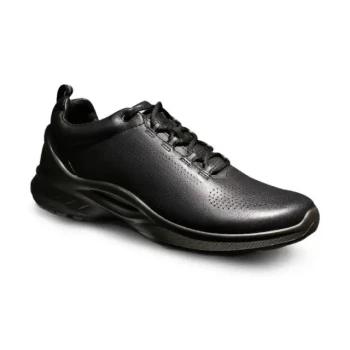
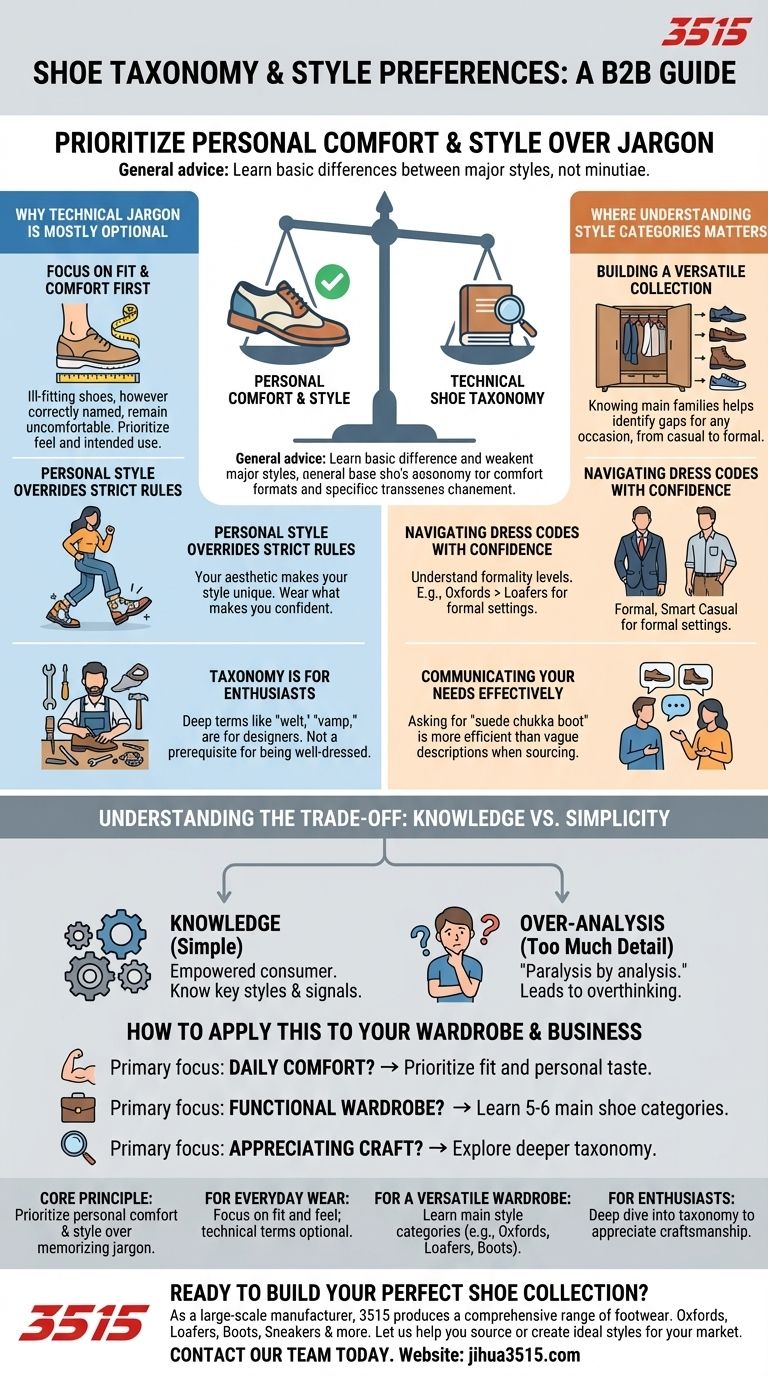
In short, the general advice is to prioritize your personal comfort and style over memorizing technical shoe terminology. While a deep understanding of shoe taxonomy—the specific names for every part of a shoe—is unnecessary for most people, learning the basic differences between major styles is highly beneficial for building a versatile and appropriate wardrobe.
The core principle is simple: focus on what matters for practical use. Knowing the difference between an Oxford and a Loafer is useful; memorizing the term for the leather strip on the back of the shoe is not.

Why Technical Jargon Is Mostly Optional
For the everyday person, getting bogged down in the minutiae of shoe construction can be more confusing than helpful. The priority should always be on how the shoe serves you.
Focus on Fit and Comfort First
No amount of correct terminology can make an ill-fitting shoe comfortable. The most critical factors in any shoe purchase are how it feels on your foot and whether you can wear it for its intended purpose without issue.
Personal Style Overrides Strict Rules
Your individual aesthetic is what makes your style unique. You should always feel empowered to wear what you like and what makes you feel confident, regardless of whether it fits a textbook definition.
Taxonomy is for Enthusiasts
A deep knowledge of terms like "welt," "vamp," or "quarter" is primarily for designers, shoemakers, and dedicated hobbyists. It's a way to appreciate craftsmanship, but it is not a prerequisite for being well-dressed.
Where Understanding Style Categories Matters
While ignoring technical jargon is fine, ignoring broad style categories can lead to practical mistakes. This is where a little knowledge provides significant value.
Building a Versatile Collection
Knowing the main families of shoes—such as Oxfords, Derbies, Loafers, Boots, and Sneakers—helps you identify gaps in your wardrobe. It ensures you have a reliable option for any occasion, from casual weekends to formal events.
Navigating Dress Codes with Confidence
Understanding the basic formality level of each style is crucial. It allows you to know instinctively that Oxfords are more formal than Derbies, and that Loafers are a smart choice for business-casual settings. This knowledge prevents you from appearing out of place.
Communicating Your Needs Effectively
When shopping, being able to ask for a "suede chukka boot" or a "penny loafer" is far more efficient than trying to describe the shoe you have in mind. It streamlines the process and helps you find what you're looking for faster.
Understanding the Trade-off: Knowledge vs. Simplicity
Deciding how much to learn is a balance. Knowing too little can be limiting, but knowing too much can lead to overthinking.
The Pitfall of Over-Analysis
Getting lost in the details can cause "paralysis by analysis," making you second-guess simple choices. The goal is to find shoes you love, not to pass an exam on their construction.
The Power of Foundational Knowledge
The sweet spot is learning just enough to be an empowered consumer. Understanding the handful of key styles and what they signal is the most efficient way to improve your wardrobe and confidence.
How to Apply This to Your Wardrobe
Use your personal goals to determine how much you need to know.
- If your primary focus is daily comfort and ease: Prioritize fit and your personal taste, and don't worry about the specific names or rules.
- If your primary focus is building a functional, well-rounded wardrobe: Learn the five or six main shoe categories so you can confidently select the right shoe for any dress code.
- If your primary focus is appreciating footwear as a craft: Then it is worth your time to explore the deeper taxonomy to better understand the art of shoemaking.
Ultimately, your shoes should serve your life and your style, not the other way around.
Summary Table:
| Focus Area | Key Advice | Why It Matters |
|---|---|---|
| Core Principle | Prioritize personal comfort and style over memorizing jargon. | Ensures your shoes serve your life and confidence. |
| For Everyday Wear | Focus on fit and feel; technical terms are optional. | Prevents overthinking and prioritizes practical use. |
| For a Versatile Wardrobe | Learn the main style categories (e.g., Oxfords, Loafers, Boots). | Helps you select the right shoe for any occasion. |
| For Enthusiasts | Deep dive into taxonomy to appreciate craftsmanship. | For those passionate about footwear design and construction. |
Ready to Build Your Perfect Shoe Collection?
As a large-scale manufacturer, 3515 produces a comprehensive range of footwear for distributors, brand owners, and bulk clients. Our production capabilities encompass all types of shoes and boots, from classic Oxfords and comfortable Loafers to durable boots and casual sneakers.
We understand that the foundation of great footwear is a perfect blend of style, comfort, and quality construction. Let us help you source or create the ideal styles for your market.
Contact our team today to discuss your footwear needs and discover how we can bring value to your business.
Visual Guide
Related Products
- Advanced KPU Athletic Safety Shoe with Steel Toe Cap Anti-Slip Rotary Lacing System
- Wholesale Durable Camouflage Canvas Shoes with High-Traction Cleated Rubber Sole
- Wholesale Modern Perforated Leather Derby Shoes with Chunky Sole for Custom Branding
- Wholesale Modern Business Shoes with Dial Closure System for Bulk Orders
- Wholesale Breathable Training Shoes Custom Athletic Footwear Manufacturer
People Also Ask
- What are the key differences between steel toe and composite toe caps? Choose the Right Safety for Your Job
- What impact do steel toe caps have on toe skin health? Prevent Friction and Pressure in Your Safety Shoes
- What are the primary protective functions of safety shoes with steel toes in the automotive repair industry?
- What type of safety shoe is recommended for workers exposed to heavy machinery? Steel Toe Boots for Ultimate Protection
- How does defining specific friction interface models in FEA assist in predicting safety shoe toe cap failure modes?