In sustainable leather tanning, Pentahydrate Copper Sulfate (PCS) functions as the primary stabilizing agent that transforms raw animal hides into durable leather. It acts as a direct, eco-friendly alternative to traditional tanning chemicals by chemically cross-linking with collagen fibers to lock the material's structure in place.
Pentahydrate Copper Sulfate replaces toxic chromium salts to stabilize leather through collagen cross-linking, offering a dual benefit of reduced environmental toxicity and significantly improved biodegradability.
The Mechanism of Stabilization
Cross-Linking Collagen Fibers
The fundamental role of PCS is to facilitate the chemical transformation of raw skin. It works by creating strong chemical bonds, known as cross-links, between the collagen fibers found within the animal hide.
Structural Stability
This cross-linking process is what technically defines "tanning." It prevents the collagen from putrefying, effectively turning a perishable raw material into a stable, non-degrading piece of leather.
Environmental Advantages Over Traditional Methods
Reducing Toxicity Risks
The most significant function of PCS is its role as a substitute for Basic Chromium Sulfate (BCS). Traditional chrome tanning relies on heavy metals that pose significant environmental toxicity risks during processing and waste disposal.
Eliminating Heavy Metals
By utilizing Pentahydrate Copper Sulfate, tanneries can achieve the necessary leather stabilization without relying on hazardous chromium. This substitution directly lowers the toxic footprint of the tanning process.
End-of-Life Functionality
Enhancing Biodegradability
Beyond the manufacturing phase, PCS alters how the final leather product interacts with the environment after disposal. Leather tanned with this method demonstrates significantly enhanced biodegradability.
Compatibility with Composting
Unlike chrome-tanned leathers which can persist in landfills, PCS-tanned leather is designed to break down effectively. This makes it suitable for composting environments, supporting a more circular product lifecycle.
Understanding the Shift from Chromium
The Standard vs. The Alternative
The industry standard has long been Basic Chromium Sulfate (BCS) due to its effectiveness in stabilization. However, the use of PCS represents a functional shift away from heavy metal chemistry.
The Ecological Trade-off
The core trade-off in choosing PCS is prioritizing ecological safety over traditional methods. While both agents stabilize leather, only PCS offers a pathway to reduce heavy metal toxicity and ensure the end-product is compostable.
Making the Right Choice for Your Goal
To determine if Pentahydrate Copper Sulfate is the right agent for your tanning process, consider your specific environmental targets:
- If your primary focus is reducing toxicity: Adopt PCS to eliminate the environmental risks and hazardous waste associated with heavy metal chromium.
- If your primary focus is the product lifecycle: Utilize PCS to produce leather that is certified biodegradable and safe for composting environments.
Switching to Pentahydrate Copper Sulfate allows you to maintain leather stability while rigorously adhering to modern sustainability standards.
Summary Table:
| Feature | Traditional Chrome Tanning (BCS) | Sustainable PCS Tanning |
|---|---|---|
| Primary Agent | Basic Chromium Sulfate (BCS) | Pentahydrate Copper Sulfate (PCS) |
| Mechanism | Collagen Cross-linking | Collagen Cross-linking |
| Environmental Impact | High Heavy Metal Toxicity | Low Toxicity / Eco-friendly |
| Biodegradability | Low (Persistent in Landfills) | High (Compostable) |
| Safety Focus | Industrial Efficiency | Circular Economy & Safety |
Elevate Your Sustainable Production with 3515
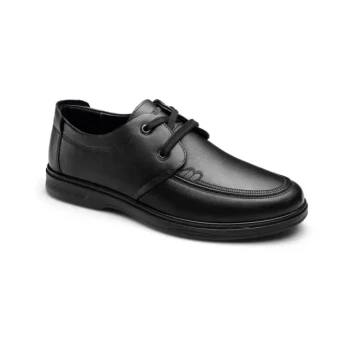
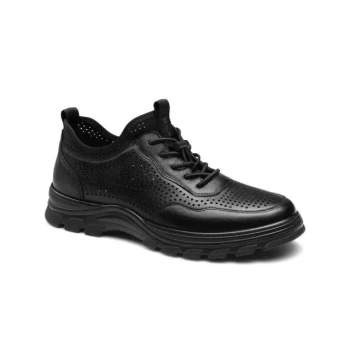
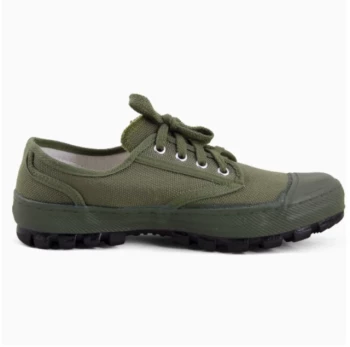
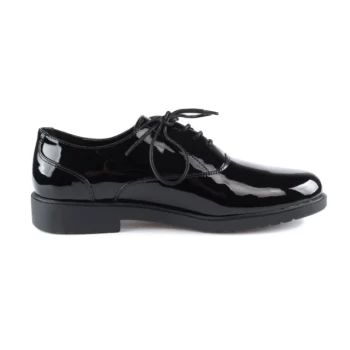
As a large-scale manufacturer serving distributors and brand owners, 3515 offers comprehensive production capabilities for all footwear types. Whether you are seeking to integrate sustainable materials like PCS-tanned leather into our flagship Safety Shoes series, or looking for eco-conscious manufacturing for work and tactical boots, outdoor shoes, training shoes, or sneakers, we have the expertise to deliver.
Our extensive portfolio also includes Dress & Formal shoes designed to meet diverse bulk requirements while adhering to the highest environmental standards. Partner with us to provide your customers with high-quality, durable footwear that respects the planet.
Ready to upgrade your footwear line with sustainable innovation? Contact us today to discuss your bulk manufacturing needs!
References
- T. Loganathan. Optimizing Revolution Development of Low Cost Sustainable Glide Shoe in Biodegradability Study in Compost Environment. DOI: 10.5281/zenodo.7554150
This article is also based on technical information from 3515 Knowledge Base .
Related Products
- Wholesale Durable Safety Boots Manufacturer Customizable Steel Toe Work Boots
- Durable Leather High-Ankle Tactical Boots for Wholesale & Custom Manufacturing
- Wholesale Durable Camouflage Canvas Shoes with High-Traction Cleated Rubber Sole
- Wholesale Leather Apron Toe Derby Shoes Custom Factory Production
- Lightweight Breathable Sneakers with Wet-Traction Grip for Wholesale & Private Label
People Also Ask
- What are the pros and cons of steel toe work boots? A Guide to Maximum Protection vs. Comfort
- What are the different types of steel toe work boots? Choose the Right Boot for Your Job
- What is the history of steel toe work boots? From German Invention to Modern Safety Standard
- How much weight can steel toe work boots withstand? Unpacking the 3,372 lb. Safety Standard
- What are some common myths about steel toe work boots? Debunked for Modern Workers