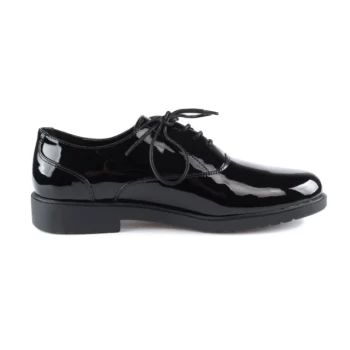
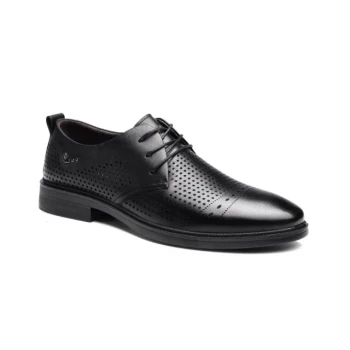
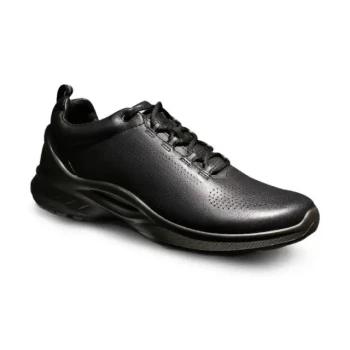
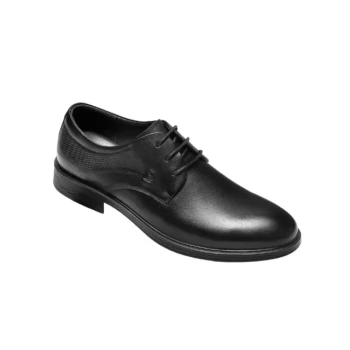
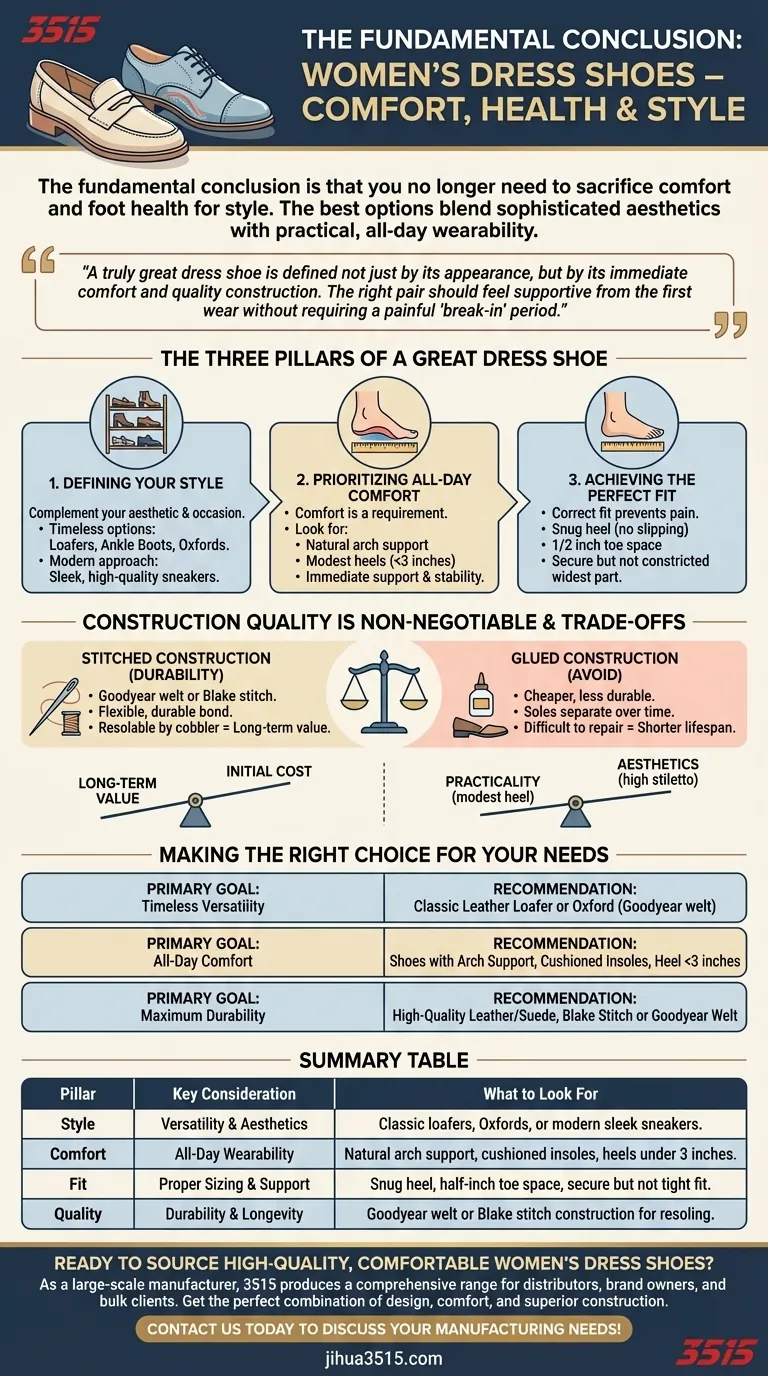
The fundamental conclusion about modern women's dress shoes is that you no longer need to sacrifice comfort and foot health for style. The best options successfully blend sophisticated aesthetics with practical, all-day wearability. Making a smart choice comes down to prioritizing three key elements: personal style, a perfect fit, and durable construction.
A truly great dress shoe is defined not just by its appearance, but by its immediate comfort and quality construction. The right pair should feel supportive from the first wear without requiring a painful "break-in" period.
The Three Pillars of a Great Dress shoe
Choosing the right dress shoe requires a balanced assessment. Instead of focusing on a single attribute, evaluate your options against three core criteria to ensure your purchase is a sound investment.
Defining Your Style
Your shoes should complement your personal aesthetic and the occasion. Classic, versatile styles often provide the best long-term value.
Consider timeless options like loafers, ankle boots, or Oxford shoes for professional and casual settings. For a more modern approach, even sleek, high-quality sneakers can serve as dress shoes in many contemporary workplaces.
Prioritizing All-Day Comfort
Comfort is not a luxury; it is a requirement. A comfortable dress shoe provides proper support and is easy to walk in for extended periods.
Look for features like natural arch support and modest heels, ideally under 3 inches, to minimize strain. The shoe should feel supportive and stable from the moment you put it on.
Achieving the Perfect Fit
An improper fit is the primary source of pain and discomfort. A shoe should conform to your foot, not the other way around.
A correct fit means the shoe is snug around the heel without slipping. You should have about a half-inch of space between your longest toe and the end of the shoe, and the widest part of your foot should feel secure but not constricted.
Why Construction Quality is Non-Negotiable
The longevity and comfort of a dress shoe are directly tied to how it is made. High-quality construction methods ensure durability and allow for maintenance, extending the life of the shoe significantly.
The Hallmarks of Durability
Look for shoes made with stitched construction methods like Goodyear welt or Blake stitch. These techniques create a flexible, durable bond between the sole and the upper part of the shoe.
A key advantage of these methods is that the shoes can be resoled by a cobbler, which is a cost-effective way to make a quality pair last for years, if not decades.
What to Avoid
Many mass-market shoes use glue to attach the soles. This method is cheaper but far less durable. Glued-on soles often separate over time and typically cannot be repaired or replaced, leading to a much shorter lifespan.
Understanding the Trade-offs
Every choice involves balancing competing factors. Being aware of these trade-offs helps you make a decision that aligns with your priorities.
Initial Cost vs. Long-Term Value
Shoes with Goodyear welt or Blake stitch construction have a higher upfront cost. However, their durability and ability to be resoled often make them a more economical choice over the long term compared to cheaper, disposable footwear.
Aesthetics vs. Practicality
While a high stiletto may be visually appealing, it is rarely practical for all-day wear. Choosing a modest heel or a stylish flat provides far greater versatility and comfort without compromising on a polished, professional appearance.
Making the Right Choice for Your Needs
Use your primary goal to guide your final decision.
- If your primary focus is timeless versatility: Invest in a classic style like a leather loafer or Oxford made with Goodyear welt construction.
- If your primary focus is all-day comfort: Prioritize shoes with proven arch support, cushioned insoles, and a heel height under 3 inches.
- If your primary focus is maximum durability: Choose shoes made from high-quality leather or suede and explicitly look for Blake stitch or Goodyear welt construction.
By focusing on this blend of fit, comfort, and quality, you can confidently select dress shoes that truly support both your style and your well-being.
Summary Table:
| Pillar | Key Consideration | What to Look For |
|---|---|---|
| Style | Versatility & Aesthetics | Classic loafers, Oxfords, or modern sleek sneakers. |
| Comfort | All-Day Wearability | Natural arch support, cushioned insoles, heels under 3 inches. |
| Fit | Proper Sizing & Support | Snug heel, half-inch toe space, secure but not tight fit. |
| Quality | Durability & Longevity | Goodyear welt or Blake stitch construction for resoling. |
Ready to source high-quality, comfortable women's dress shoes that blend style with durability?
As a large-scale manufacturer, 3515 produces a comprehensive range of footwear for distributors, brand owners, and bulk clients. Our production capabilities encompass all types of shoes and boots, ensuring you get the perfect combination of sophisticated design, lasting comfort, and superior construction for your customers.
Contact us today to discuss your manufacturing needs and elevate your footwear collection!
Visual Guide
Related Products
- Wholesale Women's Leather Derby Shoes Custom Factory Production
- Wholesale Comfort Dress Shoes with Dial Closure for Custom Manufacturing
- Wholesale Patent Oxford Dress Shoes | Custom & Bulk Manufacturing
- Wholesale Breathable Perforated Leather Derby Dress Shoes for Custom Brands
- Wholesale Perforated Comfort Dress Shoes | Custom Derby Shoe Manufacturer
People Also Ask
- How do Derby shoes fit into business casual attire? Master the Perfect Balance of Professional Style
- What are the features and appropriate occasions for wearing derby shoes? A Guide to Versatile Style
- What is the main difference between Derby Shoes and Oxford Shoes? It's All in the Lacing.
- What historical figure is associated with the Derby shoe? The Earl of Derby's Comfort Revolution
- How do Derby shoes differ from Oxford shoes? A Guide to Formality, Fit & Style