Combining industrial-grade 3D laser scanners with real-time 3D computer graphics (CG) creates a high-fidelity digital workflow for material evaluation. By precisely capturing the physical texture parameters of complex surfaces like leather, this integration allows designers to visualize and manipulate virtual prototypes with near-perfect accuracy. This approach eliminates the reliance on physical samples for initial design phases, streamlining the transition from concept to approval.
The core value lies in digitizing the subjective. This technology translates physical data into adjustable virtual models, enabling "Kansei" (aesthetic and sensory) evaluations that significantly reduce R&D cycles and prototyping costs.
Precision and Simulation
Capturing Complex Organic Surfaces
Leather presents unique challenges due to its non-uniform, organic nature. Industrial-grade 3D laser scanners are required to measure physical texture parameters with microscopic accuracy.
Unlike standard photography, these scanners map the actual topography of the material. This ensures that the digital model reflects the true depth and variance of the leather grain.
Generating High-Fidelity Prototypes
The 3D CG system consumes the scanned data to generate virtual prototypes that mimic reality. These are not static images; they are dynamic 3D assets that react to lighting and viewing angles.
This allows the digital leather to behave visually just as physical leather would. The fidelity is high enough to replace physical swatches during the early design review process.
Accelerating the Design Cycle
Enabling Visual Kansei Evaluation
Design is often driven by "Kansei"—the psychological feeling or aesthetic impression a product gives. This system allows designers to perform these evaluations virtually.
Designers can adjust specific parameters, such as grain depth and surface gloss, in real-time. This flexibility allows for rapid iterations to match the aesthetic preferences of target users without waiting for a tannery to produce new samples.
Reducing Development Costs
Traditional footwear development involves producing multiple physical prototypes to test different textures. This is both expensive and wasteful.
By shifting this process to a digital environment, manufacturers significantly reduce prototyping costs. Physical samples are only produced once the digital design is finalized and approved.
Shortening Time-to-Market
The integration of scanning and CG drastically shortens the research and development (R&D) cycle. Decisions that used to take weeks of shipping and sampling can now be made in hours.
Understanding the Trade-offs
The Requirement for High-End Hardware
To achieve the "precise measurement" mentioned, consumer-grade scanners are insufficient. You must invest in industrial-grade equipment capable of resolving the minute details of leather texture.
Data Interpretation
While the system captures physical data, the visual output relies heavily on the quality of the 3D CG rendering engine. A mismatch between the scan resolution and the rendering capability can lead to a loss of fidelity.
Optimizing Your Material Evaluation Workflow
To maximize the value of this technology, align your implementation with your specific project constraints.
- If your primary focus is cost reduction: Prioritize the system's ability to replace physical iterations with virtual prototypes to minimize material waste.
- If your primary focus is design quality: Leverage the real-time adjustment of grain depth and gloss to perform rigorous Kansei evaluations before manufacturing.
By digitizing the physical properties of leather, you transform texture evaluation from a slow, manual process into a precise, data-driven design advantage.
Summary Table:
| Feature | Benefit for Footwear Evaluation |
|---|---|
| 3D Laser Scanning | Captures microscopic leather topography and organic grain depth. |
| Real-time 3D CG | Enables dynamic visualization and Kansei (aesthetic) evaluation. |
| Virtual Prototypes | Replaces physical swatches to reduce material waste and cost. |
| Adjustable Parameters | Instant refinement of grain depth and surface gloss in digital space. |
| Workflow Efficiency | Drastically shortens the R&D cycle and accelerates time-to-market. |
Partner with 3515 for Precision-Driven Footwear Manufacturing
As a large-scale manufacturer serving global distributors and brand owners, 3515 leverages cutting-edge technology to bring your footwear visions to life. Our comprehensive production capabilities cover all footwear categories—from our flagship Safety Shoes and Tactical Boots to high-performance Outdoor & Training shoes and sophisticated Dress & Formal footwear.
By choosing 3515, you benefit from our commitment to quality, high-fidelity material evaluation, and the scale needed to meet diverse bulk requirements.
Ready to streamline your supply chain and elevate your product quality?
Contact our expert team today to discuss your next project!
References
- Simon Schütte, Shirley Coleman. Kansei for the Digital Era. DOI: 10.5057/ijae.ijae-d-23-00003
This article is also based on technical information from 3515 Knowledge Base .
Related Products
- Wholesale Durable Camouflage Canvas Shoes with High-Traction Cleated Rubber Sole
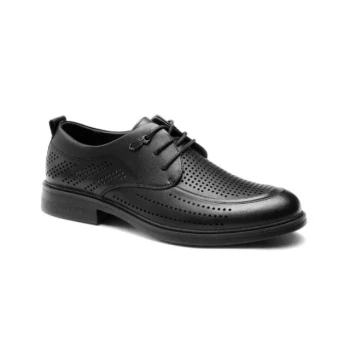
- Wholesale Modern Perforated Leather Derby Shoes with Chunky Sole for Custom Branding
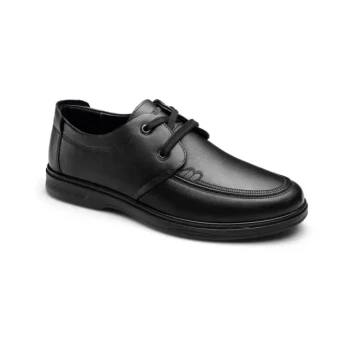
- Wholesale Leather Apron Toe Derby Shoes Custom Factory Production
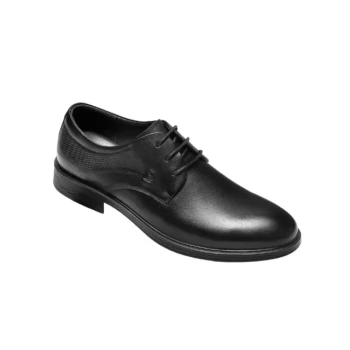
- Wholesale Leather Derby Shoes Manufacturer | Customizable Business & Dress Footwear
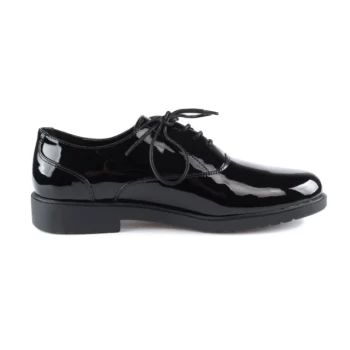
- Wholesale Patent Oxford Dress Shoes | Custom & Bulk Manufacturing
People Also Ask
- Why is the selection of high-strength fabric materials necessary in the production of canvas shoes and training shoes?
- What are the properties of canvas as a shoe material? A Guide to Lightweight Comfort & Style
- Can canvas shoes be worn in rainy conditions? The Truth About Water Resistance
- What are some examples of vulcanized shoes? Discover the Flexibility and Board Feel of Classic Sneakers
- What are the characteristics of canvas as a shoe material? A Guide to Lightweight, Breathable Footwear