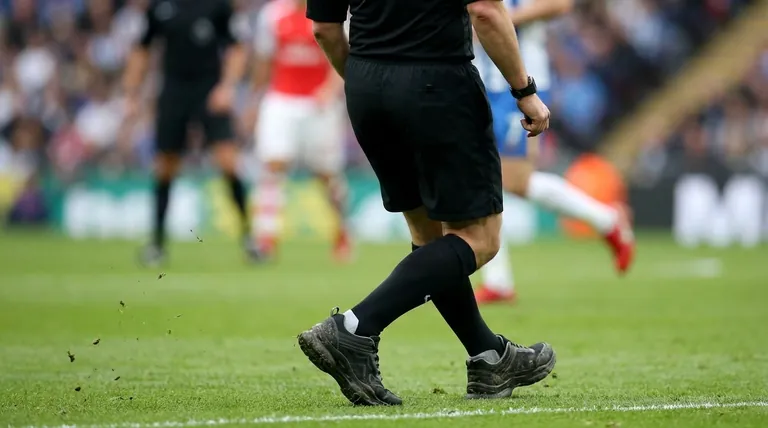
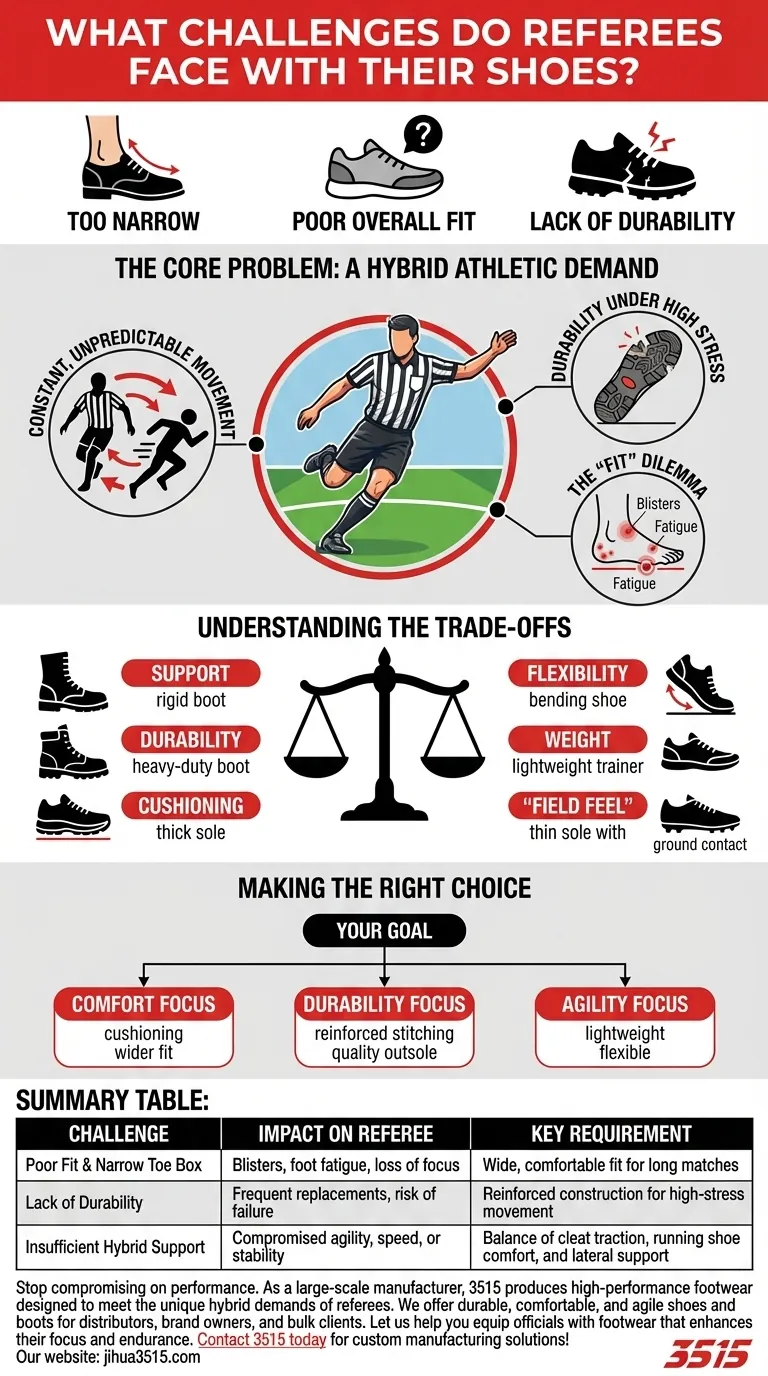
Ultimately, referees face three primary footwear challenges: shoes that are too narrow, provide a poor overall fit, and lack the durability required for the job. These issues directly impact a referee's comfort, mobility, and ability to perform their duties effectively throughout a demanding game.
A referee's core challenge is finding a single shoe that meets the contradictory demands of multiple athletic roles. Their footwear must provide the durability and traction of a field cleat, the comfort of a long-distance running shoe, and the support needed for constant, unpredictable lateral movement.
The Core Problem: A Hybrid Athletic Demand
A referee is not a static observer; they are an athlete whose performance depends on being in the right position at the right time. Their footwear needs to support this unique and constant physical demand.
Constant, Unpredictable Movement
Unlike many players who have a defined zone or role, a referee must follow the flow of the game across the entire field. This involves jogging, sprinting, backpedaling, and sharp pivots.
Proper footwear is crucial for enabling this freedom of movement without causing distraction or discomfort.
Durability Under High Stress
The repeated cycle of sprinting, stopping, and changing direction places immense stress on a shoe's construction.
A lack of durability means shoes wear out quickly, leading to frequent replacement costs and a potential failure during a critical moment in a game.
The "Fit" Dilemma
Many athletic shoes are designed with a narrow profile. For referees, a poor or overly narrow fit can lead to significant problems.
This can cause blisters, foot fatigue, and general discomfort, which can compromise a referee's focus and physical stamina over the course of a match.
Why a Referee's Needs Are Unique
Understanding the footwear challenges of other professions highlights why a referee's requirements are so specific. The role is not about standing still or simply protecting against external hazards.
More Than Just Standing
A hairdresser or barber needs support for long hours of standing, which can cause sore and swollen feet.
A referee’s challenge is more dynamic. They need footwear that supports the foot through a full range of high-impact motion, not just static posture.
More Than General Safety
A safety manager in an office or factory focuses on protecting employees from workplace hazards.
A referee’s "safety" is about injury prevention related to athletic activity. Their shoes must protect them from the internal stresses of running and turning, preventing sprains and joint fatigue.
Understanding the Trade-offs
Finding the perfect referee shoe involves balancing competing characteristics. No single shoe excels at everything, forcing a choice based on personal priority.
Support vs. Flexibility
A highly structured and supportive shoe can protect the ankle and arch but may feel too rigid for the quick, agile movements required to keep up with play.
Durability vs. Weight
Shoes built with heavy-duty, durable materials will last longer but can also be heavier, potentially leading to greater leg fatigue over a 90-minute match.
Cushioning vs. "Field Feel"
Significant cushioning provides comfort and reduces impact, but it can also diminish the referee's direct connection to the ground, which some find important for traction and stability.
Making the Right Choice for Your Goal
Selecting the right shoe is a critical decision that depends on your specific needs, the level you officiate, and the types of surfaces you most often encounter.
- If your primary focus is comfort over long matches: Prioritize shoes with superior cushioning and ensure they offer a wider fit to prevent cramping and fatigue.
- If your primary focus is durability and value: Look for shoes with reinforced stitching and high-quality outsole materials that can withstand abrasion from various surfaces.
- If your primary focus is agility and speed: Choose a lightweight model that offers excellent flexibility without completely sacrificing essential ankle and arch support.
Ultimately, viewing your footwear as a critical piece of performance equipment is the first step toward better comfort, endurance, and focus on the field.
Summary Table:
| Challenge | Impact on Referee | Key Requirement |
|---|---|---|
| Poor Fit & Narrow Toe Box | Blisters, foot fatigue, loss of focus | Wide, comfortable fit for long matches |
| Lack of Durability | Frequent replacements, risk of failure during play | Reinforced construction for high-stress movement |
| Insufficient Hybrid Support | Compromised agility, speed, or stability | Balance of cleat traction, running shoe comfort, and lateral support |
Stop compromising on performance. As a large-scale manufacturer, 3515 produces high-performance footwear designed to meet the unique hybrid demands of referees. We offer durable, comfortable, and agile shoes and boots for distributors, brand owners, and bulk clients. Let us help you equip officials with footwear that enhances their focus and endurance.
Contact 3515 today for custom manufacturing solutions!
Visual Guide
Related Products
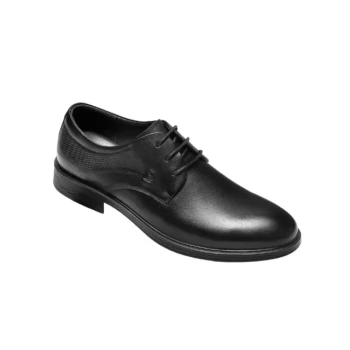
- Wholesale Leather Derby Dress Shoes Custom Manufacturer for Brands
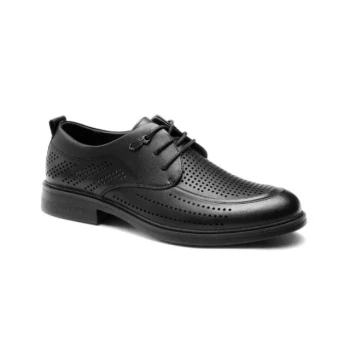
- Custom Breathable Perforated Leather Derby Shoes for Wholesale & Brands
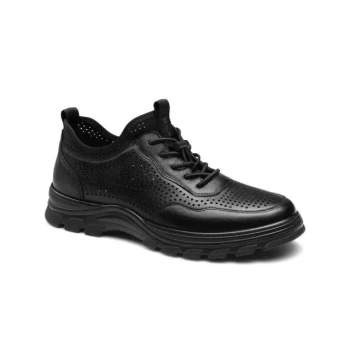
- Wholesale Breathable Perforated Leather Derby Shoes with Modern Comfort Sole
- Wholesale Modern Perforated Leather Derby Shoes with Chunky Sole for Custom Branding
- Wholesale Women's Leather Derby Shoes Custom Factory Production
People Also Ask
- What is the main difference between Derby Shoes and Oxford Shoes? It's All in the Lacing.
- What are the features and appropriate occasions for wearing derby shoes? A Guide to Versatile Style
- How do Derby shoes fit into business casual attire? Master the Perfect Balance of Professional Style
- What historical figure is associated with the Derby shoe? The Earl of Derby's Comfort Revolution
- What is the difference between Derby and Oxford shoes? A Guide to Choosing the Right Shoe