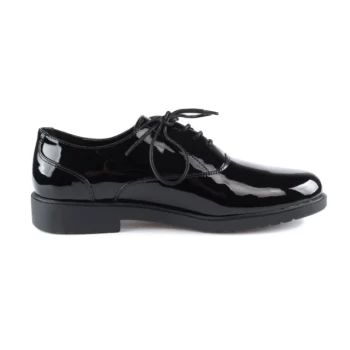
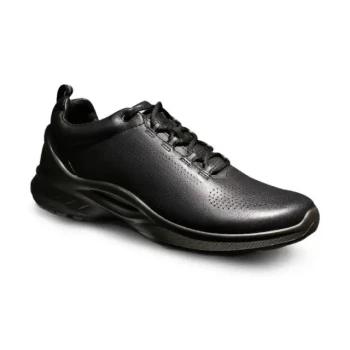
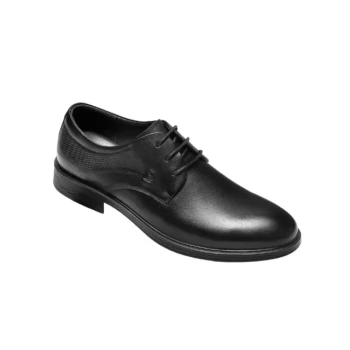
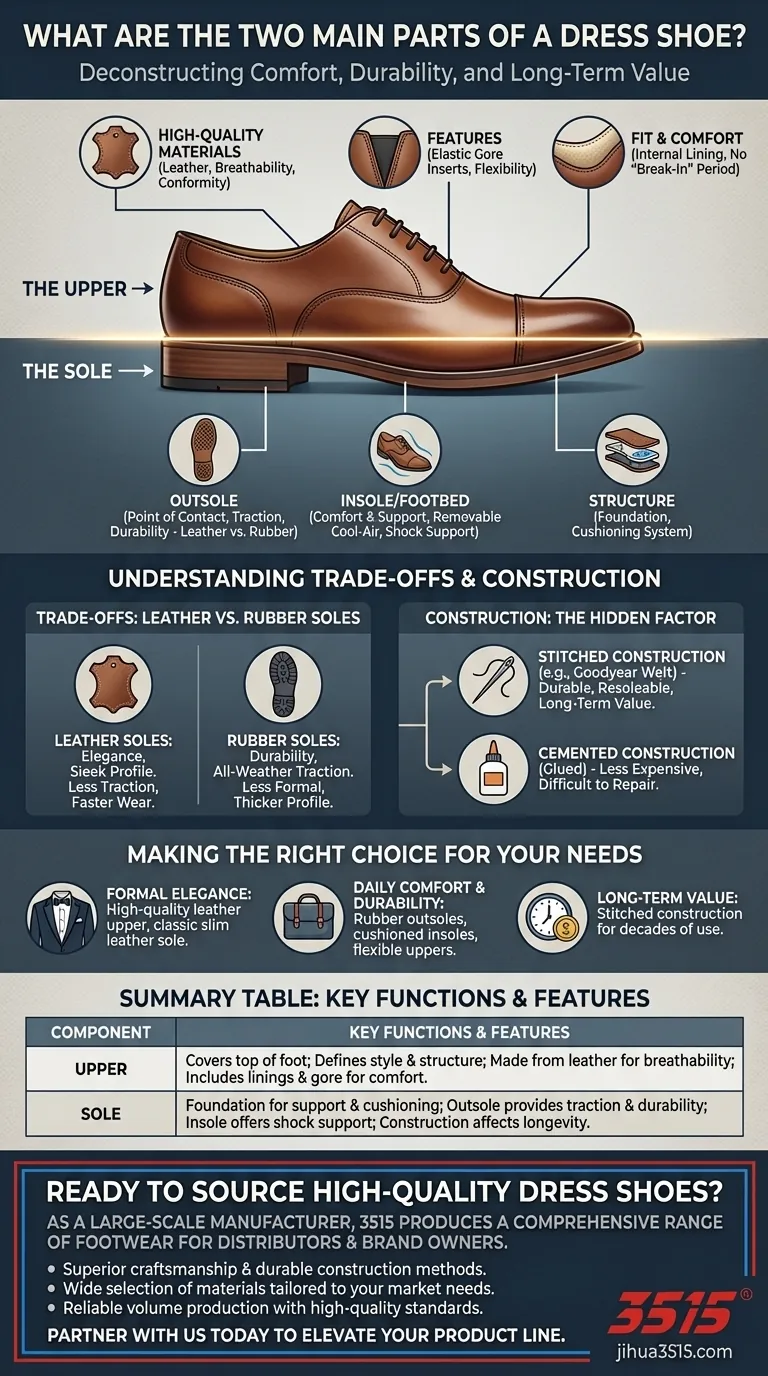
The two primary components of any dress shoe are the upper and the sole. The upper consists of all the material that covers the top of your foot, while the sole makes up the entire structure underneath your foot.
While a dress shoe is simply an upper attached to a sole, the quality of the materials and the construction method used for each part are what truly determine the shoe's comfort, durability, and long-term value.
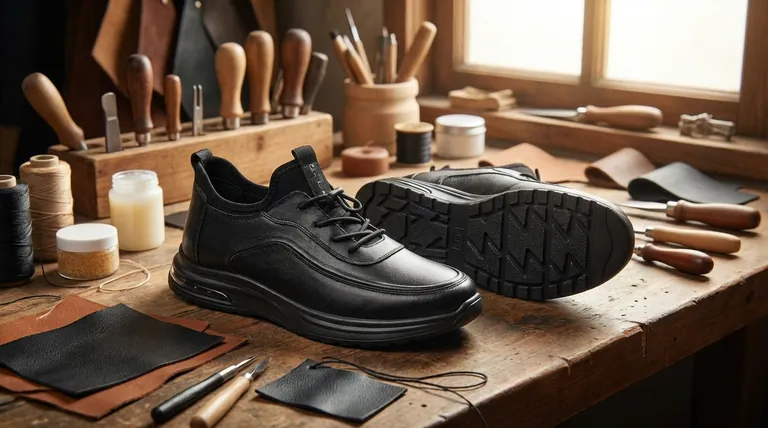
Deconstructing the Upper: More Than Just Looks
The upper is the most visible part of the shoe and defines its style, but its role extends far beyond aesthetics. It's the component responsible for securing the shoe to your foot and providing structure.
The Role of High-Quality Materials
A shoe's upper is most commonly made from leather. The quality of this leather directly impacts the shoe's breathability, ability to conform to your foot, and its overall lifespan.
Features like elastic gore inserts are also part of the upper, adding flexibility and making the shoe easier to put on and take off, a key feature for comfort and convenience.
The Impact on Fit and Comfort
The internal lining of the upper is critical for comfort. A well-constructed upper made from premium materials often requires no "break-in" period, feeling comfortable right out of the box.
The Sole: The Shoe's Foundation
The sole is the engine of the shoe, handling everything from ground contact to cushioning. It's a system of layers, each with a specific purpose.
The Outsole: Your Point of Contact
The outsole is the bottom-most layer that directly touches the ground. Its material dictates the shoe's durability and traction.
Traditional dress shoes feature leather outsoles, prized for their classic appearance and flexibility. Modern or daily-wear dress shoes often use rubber or a combination of leather and rubber for superior grip and longevity.
Beyond the Outsole: The Insole
The insole (or footbed) is the layer inside the shoe that your foot rests on. This is a critical component for comfort and support.
Premium shoes often feature advanced insoles, such as a removable cool-air footbed, which helps regulate temperature. Features providing significant shock support are also built into the sole's structure to reduce fatigue.
Understanding the Trade-offs
Choosing the right dress shoe involves balancing competing factors. The materials used for the upper and sole present the most significant trade-offs.
Leather Soles: Elegance vs. Practicality
A leather sole offers an unmatched sleek and formal profile. However, it provides less traction, especially on wet surfaces, and will wear down faster than rubber.
Rubber Soles: Durability vs. Formality
Rubber soles provide excellent durability and all-weather traction, making them ideal for daily wear or commuting. Their profile can be slightly thicker, which may appear less formal than a slim leather sole.
Construction: The Hidden Factor
The method used to attach the upper to the sole is a crucial, yet often overlooked, indicator of quality. A stitched construction (like a Goodyear welt) is more durable and allows the shoe to be resoled, extending its life for years. A cemented (glued) construction is less expensive but cannot be easily repaired.
Making the Right Choice for Your Needs
By understanding how the upper and sole contribute to the final product, you can select a shoe that aligns perfectly with your priorities.
- If your primary focus is formal elegance: Choose a shoe with a high-quality leather upper and a classic, slim leather sole.
- If your primary focus is daily comfort and durability: Look for features like rubber outsoles, cushioned removable insoles, and flexible uppers.
- If your primary focus is long-term value: Investigate the construction method, as a stitched shoe can be resoled and last for decades.
Understanding these two core parts empowers you to look beyond style and evaluate a shoe's true quality and performance.
Summary Table:
| Component | Key Functions & Features |
|---|---|
| Upper | - Covers the top of the foot - Defines style and structure - Made from leather for breathability - Includes linings and gore for comfort |
| Sole | - Foundation for support and cushioning - Outsole: Provides traction and durability - Insole/Footbed: Offers shock support and comfort - Construction (e.g., Goodyear welt) affects longevity |
Ready to Source High-Quality Dress Shoes?
As a large-scale manufacturer, 3515 produces a comprehensive range of footwear for distributors, brand owners, and bulk clients. Our production capabilities encompass all types of shoes and boots, ensuring premium materials and expert construction for every pair.
Partner with us to benefit from:
- Superior craftsmanship and durable construction methods.
- A wide selection of materials for uppers and soles tailored to your market needs.
- Reliable volume production that maintains high-quality standards.
Contact us today to discuss your footwear requirements and elevate your product line with 3515.
Visual Guide
Related Products
- Wholesale Patent Oxford Dress Shoes | Custom & Bulk Manufacturing
- Wholesale Comfort Dress Shoes with Dial Closure for Custom Manufacturing
- Wholesale Leather Derby Shoes Manufacturer | Customizable Business & Dress Footwear
- Wholesale Perforated Comfort Dress Shoes | Custom Derby Shoe Manufacturer
- Classic Leather Derby Dress Shoes Wholesale & Custom Manufacturing
People Also Ask
- What are the key characteristics of Oxford dress shoes? A Guide to Timeless Formal Footwear
- How do Oxfords and Derbies differ in terms of lacing and formality? A Guide to Choosing the Right Shoe
- What is the origin of the Oxford shoe? From 1800s University Boots to Modern Elegance
- How do Oxford Shoes differ from other casual shoes? The Ultimate Guide to Lacing & Formality
- What makes Oxford shoes suitable for business casual settings? Master the Art of Professional Style