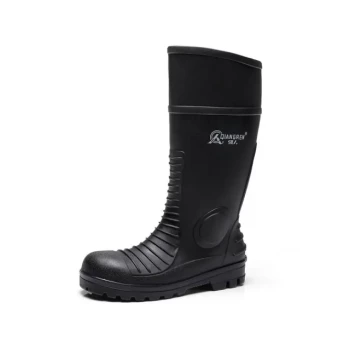
Polyvinyl Chloride (PVC) work boots are a common choice for a reason. They provide an exceptional combination of low cost, light weight, and complete waterproofing, making them a go-to for many applications. However, these significant advantages are directly balanced by trade-offs in durability, long-term comfort, and flexibility, particularly when compared to materials like rubber.
PVC work boots are best understood as a specialized, budget-conscious tool for wet environments and chemical exposure. Their primary strengths—cost and water resistance—are balanced by significant trade-offs in long-term comfort and durability that you must consider.
The Core Advantages of PVC
PVC boots excel in specific scenarios where their unique material properties offer a clear benefit. Understanding these strengths is the first step in determining if they are right for your needs.
Unbeatable Cost-Effectiveness
The most significant advantage of PVC is its low price point. This makes PVC boots an excellent choice for large crews, occasional use, or situations where boots may need to be replaced frequently due to contamination.
Absolute Waterproofing
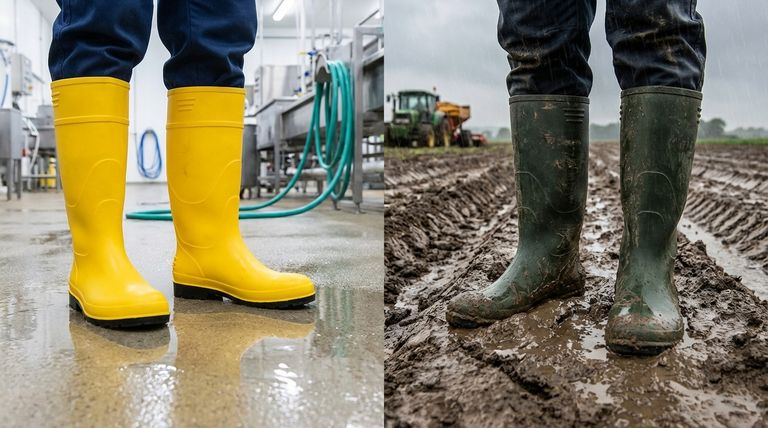
As a non-porous plastic, PVC is 100% waterproof. This provides complete protection from water, mud, and other liquids, making it ideal for industries like agriculture, food processing, and general wet-condition work.
Lightweight Construction
Compared to traditional rubber boots, PVC is noticeably lighter. This reduces fatigue during the workday, a valuable feature for jobs that require constant walking or standing.
Reliable Chemical Resistance
PVC offers strong resistance to a variety of chemicals, including acids, fats, and oils. The level of protection varies by specific boot style, but it is a key reason PVC is selected for certain industrial and agricultural environments.
Understanding the Trade-offs
The low cost and light weight of PVC come from its material composition, which also creates inherent limitations. These are not flaws, but critical factors to weigh against the benefits.
The Durability Question
PVC is generally less durable than rubber. Over time, it is more prone to losing its original shape and has lower wear resistance. For physically demanding jobs with high abrasion, a PVC boot will have a shorter lifespan.
Compromised Flexibility and Comfort
This is the most critical trade-off. PVC is a stiffer material than rubber, which reduces its overall flexibility. This lack of elasticity can lead to discomfort during long periods of wear.
In cold environments, this stiffness becomes more pronounced, making the boots feel rigid and potentially leading to cracking. While the material may feel soft to the touch, its structural inflexibility is the primary driver of its comfort profile.
Environmental Impact
From a sustainability perspective, PVC has two notable downsides. It is not biodegradable, contributing to plastic waste. Furthermore, its production process can generate substances that are less environmentally friendly compared to other materials.
PVC vs. Rubber: A Practical Comparison
Most buyers are deciding between PVC and rubber. The choice depends entirely on your priority.
When to Choose PVC
PVC is the logical choice when cost and chemical resistance are the most important factors. It is perfect for short-term projects or environments where boots won't be subjected to heavy physical stress or extreme cold.
When to Choose Rubber
Rubber is the superior choice for long-term comfort and durability. If you need a boot for daily, heavy-duty use, especially in cold weather, the flexibility and resilience of rubber justify its higher cost.
Making the Right Choice for Your Work
To make a definitive decision, assess your primary needs against the material's properties.
- If your primary focus is budget and basic protection: PVC is an excellent, cost-effective choice for temporary or light-duty work in wet conditions.
- If your primary focus is all-day comfort and longevity: You should invest in rubber boots, as their superior flexibility and durability are better suited for extended wear and harsh conditions.
- If your primary focus is chemical safety: PVC provides strong, reliable chemical resistance, making it an ideal solution for specific industrial or agricultural applications.
Choosing the right boot means aligning the material's inherent properties with the specific demands of your work environment.
Summary Table:
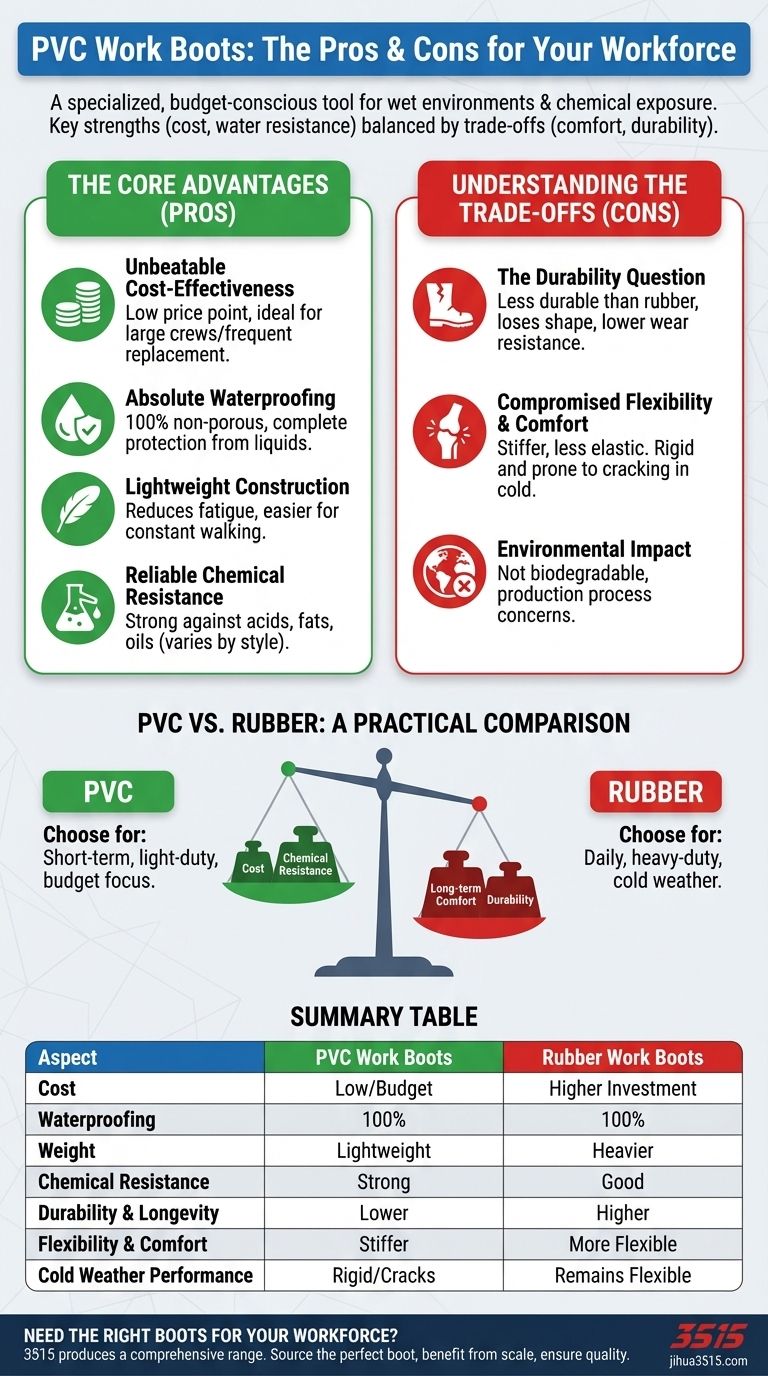
| Aspect | PVC Work Boots | Rubber Work Boots |
|---|---|---|
| Cost | Low, budget-friendly | Higher initial investment |
| Waterproofing | 100% waterproof | 100% waterproof |
| Weight | Lightweight | Heavier |
| Chemical Resistance | Strong (acids, oils, fats) | Good, varies by compound |
| Durability & Longevity | Lower, prone to wear | Higher, more resilient |
| Flexibility & Comfort | Stiffer, less comfortable for long wear | More flexible, better for all-day use |
| Cold Weather Performance | Becomes rigid, can crack | Remains flexible |
Need the Right Boots for Your Workforce?
As a large-scale manufacturer, 3515 produces a comprehensive range of footwear for distributors, brand owners, and bulk clients. Whether your priority is the cost-effectiveness of PVC or the long-term comfort of rubber, our production capabilities encompass all types of safety and work boots.
We help you:
- Source the perfect boot for your specific industry and work environment.
- Benefit from economies of scale with competitive pricing for large orders.
- Ensure consistent quality and reliable supply for your entire team.
Let's discuss your requirements and find the optimal solution for your business.
Contact our team today for a consultation
Visual Guide
Related Products
- Wholesale Customizable Safety Boots Durable & Protective Footwear Manufacturing
- Wholesale Heavy-Duty Waterproof Steel Toe Work Boots OEM Manufacturer
- Durable Leather Moc Toe Work Boots for Wholesale & Custom Manufacturing
- Durable Leather Work Boots for Wholesale & Custom Manufacturing
- Durable Leather Work Boots for Wholesale & Custom OEM Manufacturing
People Also Ask
- Why are industrial safety boots with steel toes necessary for machine operators? Essential Foot Protection for Safety
- What is the history of steel toe work boots? From German Invention to Modern Safety Standard
- What are the different types of steel toe work boots? Choose the Right Boot for Your Job
- What are the pros and cons of steel toe work boots? A Guide to Maximum Protection vs. Comfort
- What common features do safety toe work boots share regardless of style? Essential Protection Explained