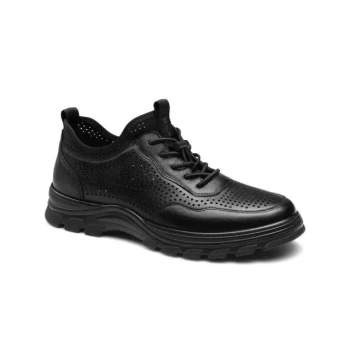
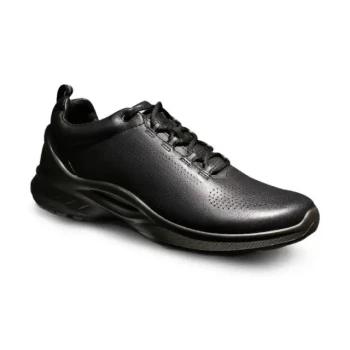
Modified footwear design serves as a critical physical intervention to preserve joint health by systematically optimizing sole hardness and arch support structures. Its primary function is to adjust the wearer's biomechanical alignment during walking, which directly reduces abnormal joint wear through the redistribution of plantar pressure and essential shock absorption. Additionally, these modifications alleviate the muscle fatigue often caused by long-term postural compensation.
The central goal of modified footwear is to engineer a more favorable mechanical environment for your joints. By correcting alignment and dampening impact forces, this design strategy targets the root causes of wear before they translate into chronic injury or fatigue.
Mechanisms of Joint Protection
Optimizing Biomechanical Alignment
The fundamental purpose of modified footwear is to alter how the foot interacts with the ground. By adjusting the geometry and structure of the shoe, the design encourages a neutral or mechanically efficient gait.
This realignment ensures that joints stack correctly during movement. Proper stacking minimizes the sheer forces that typically lead to cartilage degradation and joint instability.
Redistribution of Plantar Pressure
Abnormal joint wear is often driven by localized pressure spikes on specific areas of the foot. Modified designs use varied sole hardness and contouring to spread these forces evenly across the entire foot.
By expanding the surface area responsible for bearing weight, the shoe reduces the peak stress applied to any single joint connection. This prevents the "hot spots" of pressure that accelerate biomechanical breakdown.
Essential Shock Absorption
Every step generates a ground reaction force that travels up the kinetic chain. Modified footwear integrates materials specifically chosen to dampen this impact.
Effective shock absorption acts as a buffer, dissipating energy within the midsole rather than allowing it to transmit directly into the ankle, knee, and hip joints.
Addressing Muscular Fatigue
Reducing Postural Compensation
When joints are misaligned, the body forces muscles to work harder to maintain balance and stability. This phenomenon, known as postural compensation, leads to chronic fatigue and strain.
Supporting Muscular Efficiency
Modified footwear stabilizes the foot structure, removing the need for muscles to constantly micro-adjust. By providing structural arch support, the footwear allows muscles to function efficiently rather than engaging in a constant battle against gravity and misalignment.
Understanding the Trade-offs
The Balance of Sole Hardness
Optimizing sole hardness is a delicate compromise. If a sole is too soft, it provides excellent shock absorption but may fail to provide the necessary stability for alignment.
Conversely, a sole that is too rigid offers great structural control but may transmit too much impact force to the joints. The design must strike a specific balance based on the user's specific pathology.
Dependence on Structural Support
While external arch support is vital for correcting alignment, it is a passive intervention. It alleviates immediate strain but does not actively strengthen the foot muscles.
Designers must ensure that the level of support corrects the gait without rendering the foot's natural stabilizing muscles entirely dormant.
Making the Right Choice for Your Goal
To maximize the benefits of modified footwear, you must match the design features to your specific biomechanical needs.
- If your primary focus is Reducing Joint Pain: Prioritize designs with high-capacity shock absorption materials to minimize the impact forces traveling up the leg.
- If your primary focus is Improving Posture and Alignment: Look for footwear with firm arch support and variable sole hardness to correct gait mechanics and reduce compensatory muscle fatigue.
Effective footwear design is not just about comfort; it is a calculated tool for extending the longevity of your joints.
Summary Table:
| Function/Benefit | How it Helps |
|---|---|
| Optimizing Biomechanical Alignment | Encourages neutral gait, minimizes sheer forces, prevents cartilage degradation. |
| Redistribution of Plantar Pressure | Spreads forces evenly, reduces peak stress on specific joint areas. |
| Essential Shock Absorption | Dampens impact forces, protecting ankles, knees, and hips. |
| Alleviates Muscular Fatigue | Reduces postural compensation, supports efficient muscle function. |
Elevate your product line with advanced footwear solutions designed for optimal biomechanical management and joint health. As a large-scale manufacturer serving distributors and brand owners, 3515 offers comprehensive production capabilities for all footwear types, anchored by our flagship Safety Shoes series. Our extensive portfolio covers work and tactical boots, outdoor shoes, training shoes, and sneakers, as well as Dress & Formal shoes to meet diverse bulk requirements. Partner with us to deliver superior performance and comfort to your customers.
Contact 3515 today to discuss your custom footwear manufacturing needs!
References
- A. Mougui, I. El Bouchti. AB1183 NEUROPATHIC PAIN IN PRIMARY KNEE OSTEOARTHRITIS. DOI: 10.1136/annrheumdis-2023-eular.4771
This article is also based on technical information from 3515 Knowledge Base .
Related Products
- Wholesale Breathable Training Shoes Custom Athletic Footwear Manufacturer
- Wholesale Leather Derby Shoes Manufacturer | Customizable Business & Dress Footwear
- Wholesale Breathable Athletic Sneakers - Custom Lightweight Cushioned Footwear Manufacturer
- Lightweight Breathable Training Shoes for Wholesale & Custom OEM Manufacturing
- Wholesale Durable Safety Boots Manufacturer Customizable Steel Toe Work Boots
People Also Ask
- Why are professional-grade training shoes essential for physical therapy? Ensure Patient Safety and Gait Stability
- Why are the slip-resistance and stability performance of training shoes critical in gait analysis? Ensure Data Accuracy
- What is the primary role of specialized training or orthopedic shoes? Enhance Safety in Elderly Balance Training
- Why is sole stiffness testing using a force gauge necessary? Build Superior Training Shoes with Precision
- Why is specialized athletic footwear necessary for ankle rehab? Unlock Safety and Stability in Recovery