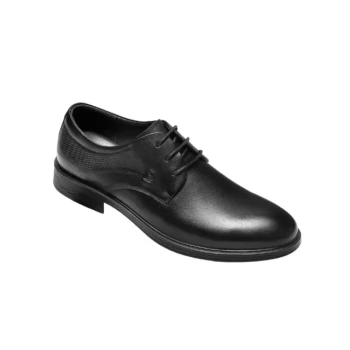
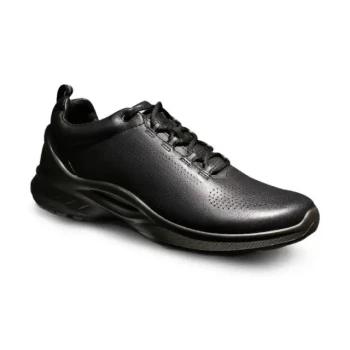
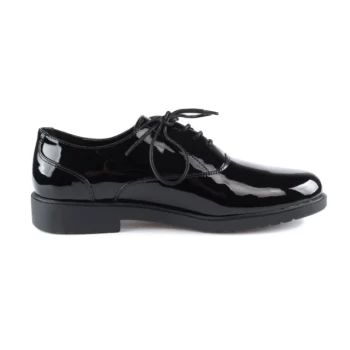
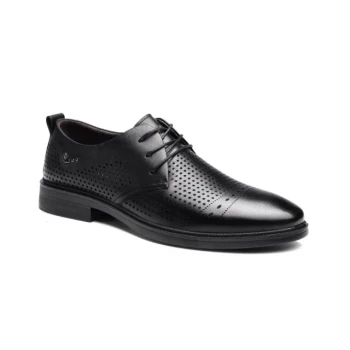
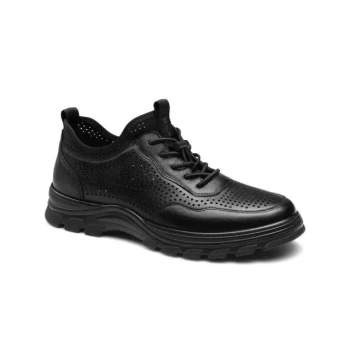
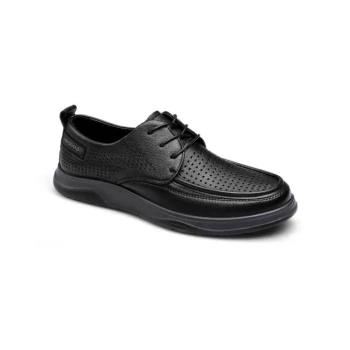
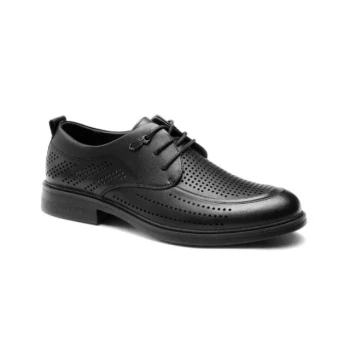
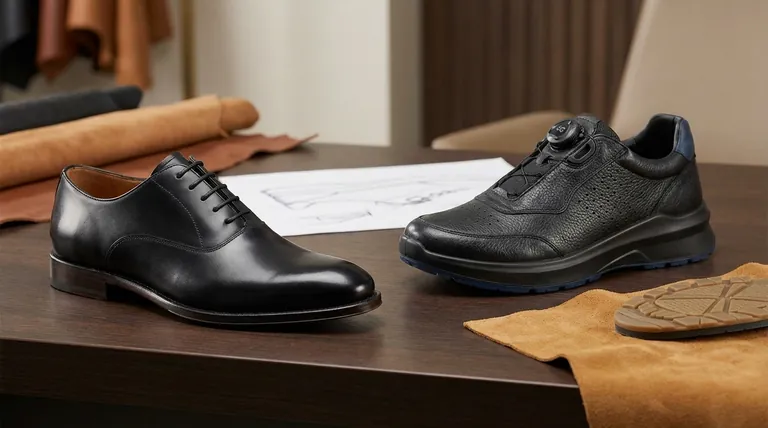
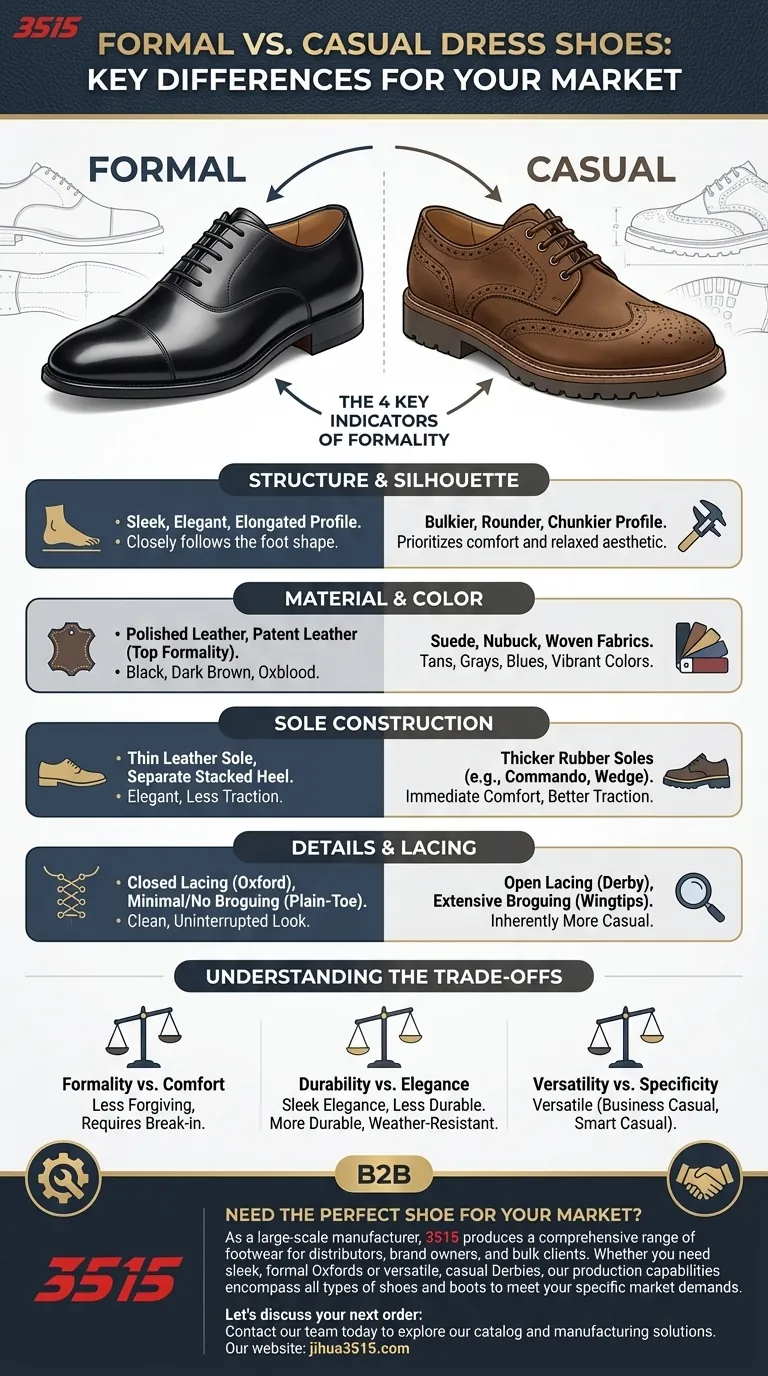
The primary differences between formal and casual dress shoes lie in their structure, material, color, and sole construction. Formal shoes are defined by a sleek profile, polished leather, dark conservative colors, and thin leather soles, while casual shoes embrace bulkier shapes, diverse materials like suede, a wider color palette, and thicker rubber soles.
The formality of a dress shoe is determined by its simplicity and sleekness. The fewer decorative elements, the darker the color, and the more streamlined the shape, the more formal the shoe is.
Deconstructing the Dress Shoe: The 4 Key Indicators of Formality
To correctly identify a shoe's place on the formality spectrum, you must analyze its core components. These elements work together to create its overall character.
Indicator 1: Structure and Silhouette
A shoe's shape is the most immediate signal of its intent.
Formal shoes, like the classic Oxford, have a sleek, elegant, and elongated silhouette. They are designed to be compact and closely follow the shape of the foot.
Casual shoes, in contrast, often have a bulkier or rounder profile. This chunkier construction prioritizes comfort or a more relaxed aesthetic.
Indicator 2: Material and Color
The material and its color are non-negotiable rules of formality.
The most formal shoes are crafted from smooth, polished leather. The pinnacle of formality is patent leather, reserved for black-tie events.
Casual shoes introduce a much wider range of materials, including suede, nubuck, or woven fabrics.
For color, black is the most formal color, followed by dark brown and oxblood. Casual dress shoes open the door to tans, grays, blues, and other more vibrant colors.
Indicator 3: Sole Construction
The foundation of the shoe is a critical, yet often overlooked, detail.
A traditional formal dress shoe features a thin leather sole with a separate, stacked heel. This construction is elegant but offers less traction and weather resistance.
Casual shoes almost always use rubber soles. These can range from thin, discreet rubber to thick, heavy-duty commando or wedge soles, which instantly place the shoe in the casual category.
Indicator 4: Details and Lacing
The final elements that define a shoe are its ornamentation and closure system.
The most formal lacing system is "closed lacing" (found on Oxfords), where the vamp is sewn on top of the quarters, creating a clean, uninterrupted look. "Open lacing" (found on Derbies) is inherently more casual.
Additionally, decorative perforations, known as broguing, reduce formality. A shoe with no broguing (a plain-toe) is more formal than one with extensive broguing (a wingtip).
Understanding the Trade-offs
Choosing between formal and casual isn't just about rules; it's about balancing appearance with practicality for a given situation.
Formality vs. Comfort
Formal leather-soled shoes often require a break-in period and are less forgiving on hard surfaces. The rubber soles common on casual shoes provide immediate comfort and better shock absorption.
Durability vs. Elegance
A thick rubber sole is far more durable and weather-resistant than a thin leather sole. However, that durability comes at the cost of the sleek elegance required for formal settings.
Versatility vs. Specificity
A dark brown Derby with a discreet rubber sole can work in many business casual and smart casual settings. A black patent leather Oxford, while perfectly formal, is highly specific and would look out of place with jeans.
Making the Right Choice for Your Goal
Use these guidelines to select the appropriate footwear for your specific need, ensuring you always appear polished and situationally aware.
- If your primary focus is business formal or black-tie events: A black, polished leather Oxford with a leather sole is the only correct choice.
- If your primary focus is daily office wear (business casual): A dark brown Derby, a classic loafer, or a monk strap offers the most versatility.
- If your primary focus is smart casual weekends or creative workplaces: Suede shoes, brogues with thicker soles, or loafers in lighter colors are all excellent options.
Ultimately, understanding these fundamental distinctions empowers you to build a functional and appropriate footwear collection for any situation.
Summary Table:
| Feature | Formal Shoes | Casual Shoes |
|---|---|---|
| Silhouette | Sleek, elongated | Bulkier, rounder |
| Material | Polished leather (e.g., patent) | Suede, nubuck, fabric |
| Color | Black, dark brown | Tans, grays, vibrant colors |
| Sole | Thin leather sole | Thick rubber sole |
| Lacing/Details | Closed lacing (Oxford), minimal broguing | Open lacing (Derby), more broguing |
Need the Perfect Shoe for Your Market?
As a large-scale manufacturer, 3515 produces a comprehensive range of footwear for distributors, brand owners, and bulk clients. Whether you need sleek, formal Oxfords or versatile, casual Derbies, our production capabilities encompass all types of shoes and boots to meet your specific market demands.
Let's discuss your next order: Contact our team today to explore our catalog and manufacturing solutions.
Visual Guide
Related Products
- Classic Leather Derby Dress Shoes Wholesale & Custom Manufacturing
- Wholesale Comfort Dress Shoes with Dial Closure for Custom Manufacturing
- Wholesale Leather Derby Dress Shoes Custom Manufacturer for Brands
- Wholesale Perforated Comfort Dress Shoes | Custom Derby Shoe Manufacturer
- Wholesale Patent Oxford Dress Shoes | Custom & Bulk Manufacturing
People Also Ask
- How often should leather dress shoes be cleaned and polished? A 3-Tier Care Guide for Longevity
- How can you remove salt stains from leather dress shoes? Save Your Shoes with a Simple Vinegar Solution
- What are the basic steps to clean leather dress shoes? A Guide to Preserving Your Investment
- How should you dry wet leather dress shoes? A Step-by-Step Guide to Save Your Investment
- What historical figure is associated with the Derby shoe? The Earl of Derby's Comfort Revolution