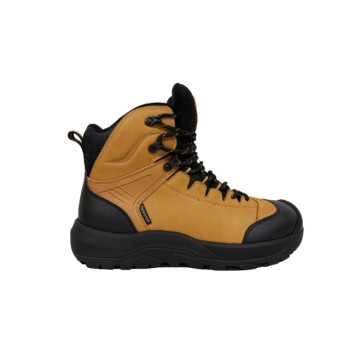
The defining features of winter riding boots are a specialized fusion of insulation, waterproofing, and non-negotiable equestrian safety. They are engineered to provide warmth and protection from the elements without compromising the specific design elements—namely the sole and heel—that are essential for safe and effective communication with the horse.
The central challenge for any winter riding boot is to deliver warmth and weather protection without creating the dangerous bulk found in typical snow or hiking boots. The goal is to keep your feet warm and dry while preserving the precise fit and feel required for safe stirrup use.
The Core Challenge: Balancing Warmth with Rider Feel
The design of a winter riding boot starts with the foundation of a traditional boot and adds features specifically to combat cold and wet conditions. This requires careful material selection to avoid sacrificing function for comfort.
Insulation Without Bulk
Effective insulation is the primary feature. This is often achieved with modern materials like Thinsulate or natural linings like wool, teddy fleece, or sheepskin.
Unlike generic winter boots that can be thick and clumsy, the insulation in a riding boot must be thin enough to maintain close contact and feel between the rider's leg and the horse's side.
Waterproofing and Breathability
A waterproof exterior is critical. This is typically accomplished with treated leather, rubber components around the foot, or waterproof membranes like Gore-Tex.
However, true weather protection also requires breathability. A boot that traps sweat will leave your feet cold and damp, defeating the purpose of the insulation. Quality boots allow moisture vapor from your foot to escape.
The Critical Role of the Sole
The sole is where a winter riding boot differs most from both a standard riding boot and a generic snow boot.
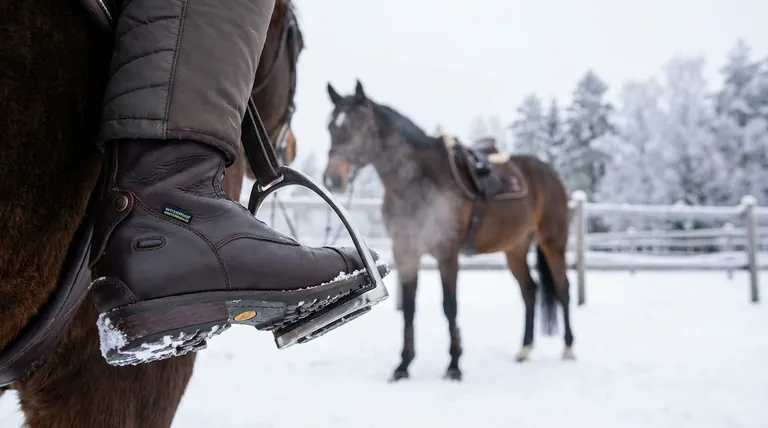
It features a thicker, more textured tread than a summer boot to provide non-slip grip on icy or snowy ground.
Crucially, it avoids the deep, aggressive lugs found on hiking boots, which could become dangerously wedged in a stirrup during a fall.
Essential Features for Safety and Functionality
Beyond the core elements of warmth and weatherproofing, several design features adapt the boot for practical winter use.
The Non-Negotiable Heel
Every safe riding boot, regardless of season, must have a pronounced heel of approximately one inch. This acts as a backstop, preventing the rider's foot from accidentally sliding all the way through the stirrup.
Weather-Proof Construction
Details matter in keeping the elements out. Look for features like a stitched or gusseted tongue, which creates a waterproof barrier behind the laces or zipper to prevent snow and water from seeping in.
Ease of Use
Winter brings bulkier clothing. Features like full-length zippers are especially valuable, making the boots much easier to put on and take off over thicker breeches or socks without a struggle.
Added Visibility
Riding in winter often means contending with shorter days and lower light. Some boots incorporate subtle reflectors as an added safety feature to improve visibility.
Understanding the Trade-offs
Choosing the right boot means understanding the inherent compromises in its design. No single boot is perfect for every condition.
Warmth vs. Contact
The warmest, most heavily insulated boot will inevitably offer less feel and contact on the horse's side. Riders must decide whether they need maximum protection for low-intensity trail rides or a more streamlined fit for active training sessions.
Grip vs. Stirrup Safety
This is the most critical trade-off. While you need grip for walking around a frozen barn, that grip cannot compromise safety in the saddle. Never use hiking or rugged work boots for riding; their sole design presents a significant safety risk.
Full Waterproofing vs. Breathability
A completely sealed rubber boot is 100% waterproof but has zero breathability. This can lead to intensely sweaty feet that become cold from trapped moisture. A boot with a high-tech waterproof-breathable membrane often provides more practical, all-day comfort.
Selecting the Right Boot for Your Winter Riding
Your final choice should be guided by your specific climate, activities, and riding style.
- If your primary focus is high-intensity training or riding in moderate cold: Prioritize a boot with excellent breathability and less insulation to manage sweat and maintain close leg contact.
- If your primary focus is trail riding or working in extreme cold: Choose a boot with maximum insulation and robust waterproofing, even if it means a slightly bulkier profile.
- If your primary focus is all-around versatility for barn chores and riding: Look for a durable, hybrid design with a good non-slip sole that still meets all the safety criteria for stirrup use.
Choosing the right boot means you can focus on your ride, not your feet, no matter the weather.
Summary Table:
| Key Feature | Purpose | Common Materials/Design |
|---|---|---|
| Insulation | Retain body heat without bulk | Thinsulate, wool, sheepskin, teddy fleece |
| Waterproofing | Keep feet dry from external moisture | Treated leather, Gore-Tex membrane, rubber components |
| Equestrian Sole | Provide grip on ice/snow while ensuring stirrup safety | Thicker, textured tread; avoids deep lugs |
| Safety Heel | Prevent foot from sliding through stirrup | ~1 inch heel |
| Weatherproof Construction | Block snow/water entry | Gusseted tongue, full-length zippers |
Need high-quality winter riding boots for your business?
As a large-scale manufacturer, 3515 produces a comprehensive range of footwear for distributors, brand owners, and bulk clients. Our production capabilities encompass all types of riding boots, ensuring your customers get the perfect blend of warmth, safety, and durability.
Contact us today to discuss your production needs and get a quote!
Visual Guide

Related Products
- Premium Insulated Safety Boots and Shoes for Wholesale & Bulk Orders
- Factory Direct Wholesale Rain Boots Durable Waterproof & Fully Customizable
- Durable Waterproof Rain Boots | Custom Manufacturer for Wholesale & Brands
- Heavy-Duty Waterproof Nubuck Safety Boots Safety Shoes for Bulk Supply
- Wholesale Waterproof Tactical Boots Custom Suede & High-Traction Soles
People Also Ask
- What are the recommended insulation ratings for mild winter conditions? A Guide for Active & Stationary Workers
- How does insulation thickness correlate with temperature ranges? A Guide to Choosing the Right Warmth
- What insulation level is needed for severe cold and stationary work? 1200g or Higher is Essential
- What safety advantages do insulated boots offer beyond warmth? Dielectric Protection & Superior Grip
- How does fleece lining contribute to the warmth of insulated boots? Trapping Air for Superior Cold Protection