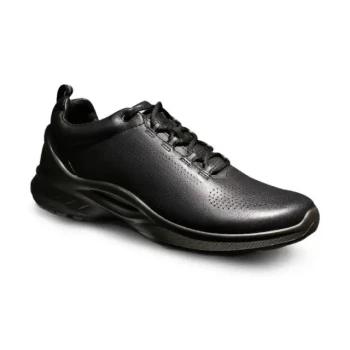
Stability and structural support are the defining features of walking shoes designed for flat feet and overpronation. These shoes are engineered to counter the excessive inward rolling of the ankles by utilizing a wide, stable base and firmer materials along the inner edge of the midsole.
Overpronation is not just a foot shape; it is a biomechanical inefficiency where the arch collapses under weight. The goal of the footwear is to act as a corrective chassis, guiding the foot into a neutral alignment to prevent strain on the ankles, knees, and hips.
The Mechanics of Stability
Countering Inward Rolling
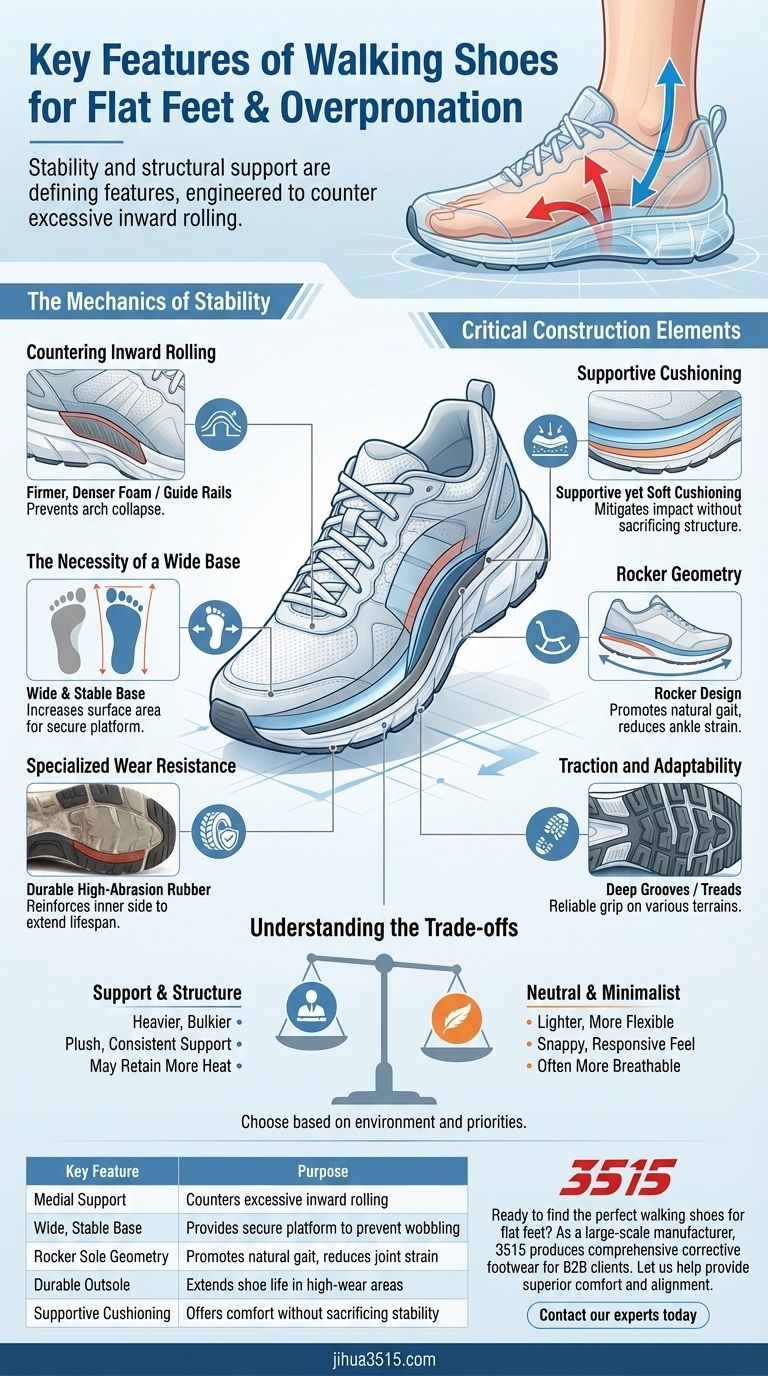
Overpronation occurs when the ankle rolls inward excessively during the gait cycle. Stability shoes address this by placing firmer, denser foam or guide rails on the medial (inner) side of the shoe. This structural reinforcement physically prevents the arch from collapsing too far.
The Necessity of a Wide Base
To provide a secure platform, these shoes feature a significantly wider footprint than standard neutral shoes. A wide and stable base increases the surface area in contact with the ground, making it much harder for the foot to wobble or roll unexpectedly.
Specialized Wear Resistance
Because overpronators apply uneven pressure, the inner side of the shoe typically wears out much faster than the outer side. High-quality walking shoes for this foot type reinforce the outsole with durable, high-abrasion rubber in these critical zones to extend the shoe's lifespan.
Critical Construction Elements
Supportive Cushioning
While comfort is key, soft "marshmallow" foam can actually increase instability for flat feet. The best shoes use cushioning that is supportive yet soft, often borrowing technology from technical running shoes to mitigate impact without sacrificing structure.
Rocker Geometry
Many top-tier walking shoes now incorporate a rocker design—a curved sole that mimics the natural rolling motion of the foot. This feature reduces the mechanical work required by the ankle and allows for effortless transitions from heel strike to toe-off.
Traction and Adaptability
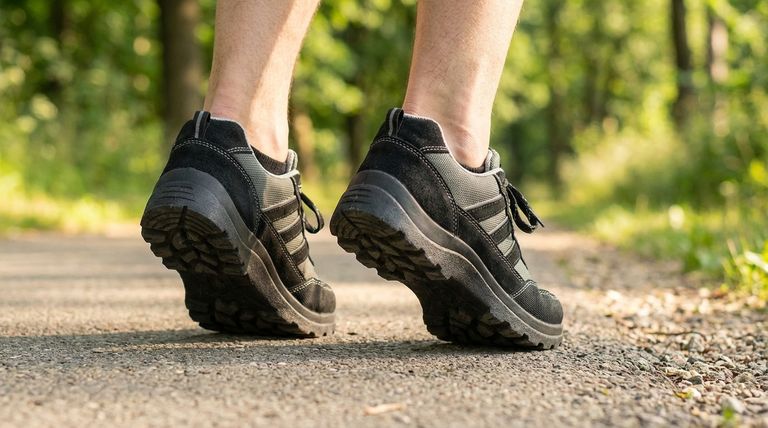
Reliable traction is non-negotiable for safety. The outsole should feature deep grooves or treads capable of gripping various terrains, such as pavement or gravel. This ensures that even if your foot mechanics are unstable, your connection to the ground remains secure.
Understanding the Trade-offs
Weight vs. Support
The dense foams and wide bases required for stability inevitably add mass. These shoes will generally be heavier and bulkier than neutral, minimalist sneakers.
Comfort vs. Responsiveness
These shoes prioritize comfort and protection over speed. You will likely sacrifice the "snappy" or responsive feeling of a performance shoe in exchange for the plush, consistent support needed to reduce fatigue.
Breathability vs. Insulation
Walking shoes often use breathable mesh to keep feet cool, but some feature insulated materials for varied climates. You must choose based on your environment, as heavily padded stability shoes can retain more heat than lighter models.
Making the Right Choice for Your Goal
If you have flat feet, you are looking for a tool that corrects your alignment, not just a covering for your foot.
- If your primary focus is Pain Relief: Prioritize a shoe with a maximalist "rocker" sole and a rigid heel counter to take the pressure off your arches.
- If your primary focus is Fitness Walking: Look for a "technical running shoe" design that offers breathability and a durable outsole for high mileage.
- If your primary focus is Stability: Ensure the shoe has a wide base and distinct medial support to physically block inward rolling.
True comfort comes from biomechanical alignment, turning every step into a sustainable movement rather than a source of stress.
Summary Table:
| Key Feature | Purpose |
|---|---|
| Medial Support (Firmer Inner Midsole) | Counters excessive inward rolling (overpronation) |
| Wide, Stable Base | Provides a secure platform to prevent wobbling |
| Rocker Sole Geometry | Promotes a natural gait and reduces strain on joints |
| Durable, High-Abrasion Outsole | Extends shoe life by reinforcing high-wear areas |
| Supportive Cushioning | Offers comfort without sacrificing structural stability |
Ready to find the perfect walking shoes for flat feet?
As a large-scale manufacturer, 3515 produces a comprehensive range of corrective and supportive footwear for distributors, brand owners, and bulk clients. Our production capabilities encompass all types of walking shoes and boots designed with the precise biomechanical support you need.
Let us help you provide superior comfort and alignment for your customers. Contact our experts today to discuss your specific requirements and explore our catalog.
Visual Guide
Related Products
- Durable Rubber Sole Outdoor Shoes Wholesale & Custom Manufacturing
- Lightweight Breathable Sneakers with Wet-Traction Grip for Wholesale & Private Label
- Premium Lightweight Safety Shoes for Wholesale & Bulk Orders
- Wholesale Breathable Perforated Leather Derby Shoes with Modern Comfort Sole
- Wholesale Durable Camouflage Canvas Shoes with High-Traction Cleated Rubber Sole
People Also Ask
- What is the function of the sole in outdoor shoes? Find the Perfect Grip and Support
- What role do outdoor shoes and sneakers play in navigating external terrains? Engineered Stability for Every Surface
- How is AI utilized in the design of outdoor and safety footwear? Harnessing Big Data for Market-Driven Shoe Innovation
- Why is durability important when selecting outdoor shoes? A Guide to Safety & Long-Term Value
- What are the key components of outdoor shoes that affect comfort and sturdiness? A Guide to Durable, High-Performance Footwear