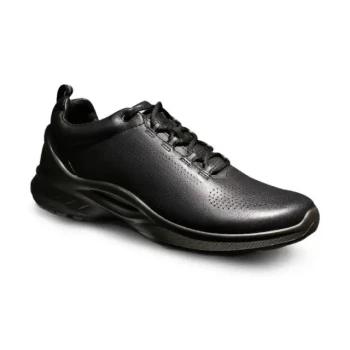
At a fundamental level, hiking footwear is categorized by its balance of flexibility and support. The primary types range from highly flexible trail running shoes designed for speed to rigid hiking and mountaineering boots built for stability under heavy loads. The core differences lie in ankle height, sole stiffness, and overall durability, which dictate their ideal use.
The right hiking shoe isn't about finding the single "best" option, but about matching the footwear's construction to the demands of your specific hiking goals. Understanding the trade-off between lightweight agility and rugged support is the key to making an informed choice.
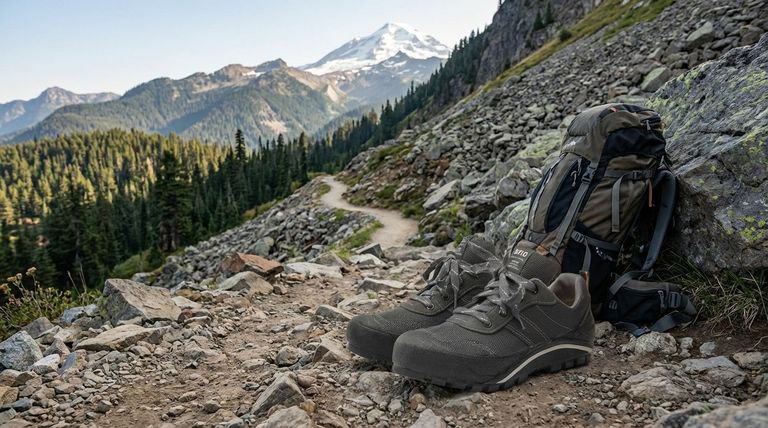
The Spectrum of Hiking Footwear
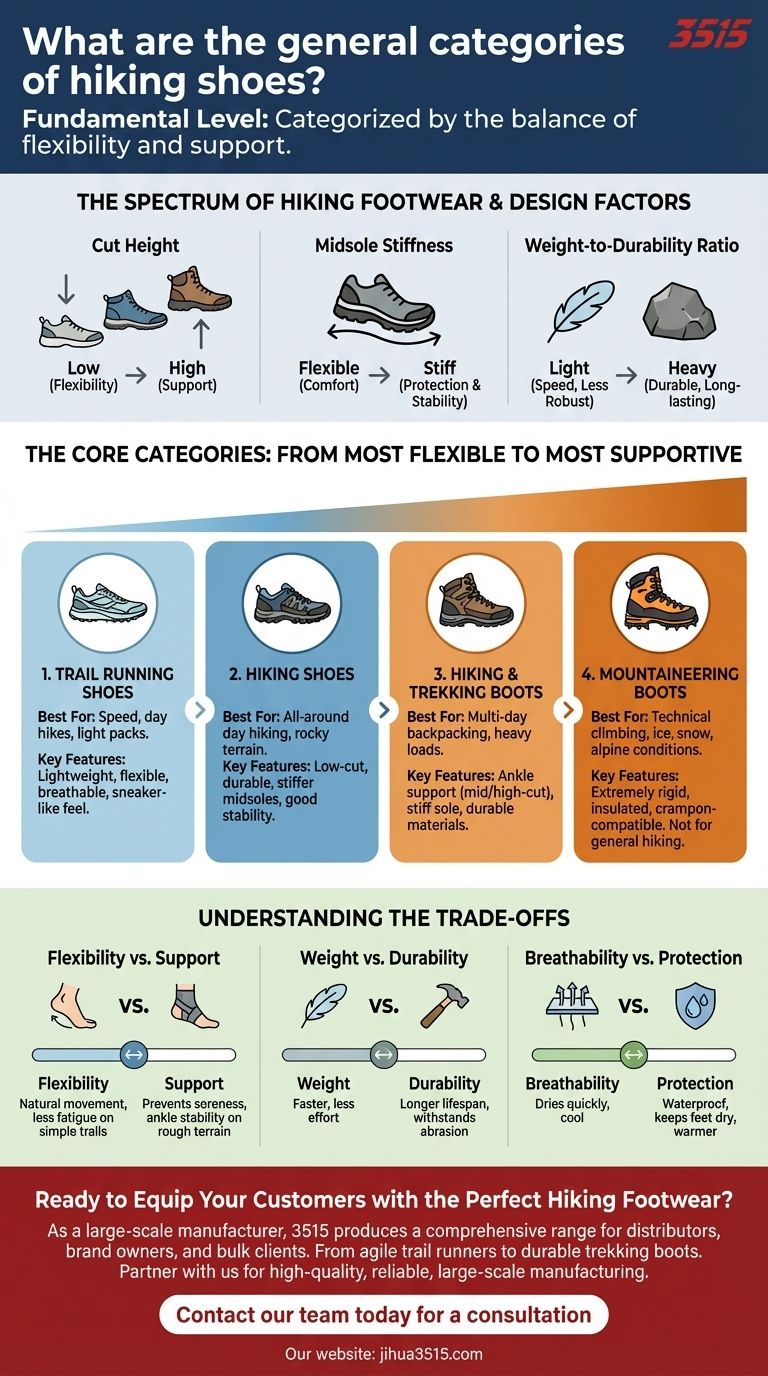
Before diving into specific categories, it's crucial to understand the three design factors that define a shoe's purpose on the trail. Nearly every difference between hiking footwear models can be traced back to these elements.
The Role of Cut Height
The "cut" refers to how high the shoe comes up on your ankle. Low-cut shoes offer maximum flexibility but minimal ankle support, while high-cut boots restrict mobility slightly in favor of stability, especially when carrying a heavy pack.
The Impact of Midsole Stiffness
The midsole is the layer between your foot and the rugged outsole. A flexible midsole is comfortable for walking on smooth paths, while a stiff midsole protects your feet from sharp rocks and provides a stable platform on uneven ground.
The Weight-to-Durability Ratio
Lighter shoes, like trail runners, use less robust materials to prioritize speed and reduce fatigue. Heavier hiking and trekking boots use durable leathers and rubbers to withstand abrasion and provide decades of service, but require more energy to lift with every step.
The Core Categories Explained
Hiking footwear exists on a continuum, but it can be broken down into four primary categories, moving from most flexible to most supportive.
Category 1: Trail Running Shoes
These are the lightest and most flexible option. They prioritize agility and breathability, feeling more like athletic sneakers than traditional boots.
Trail runners are ideal for day hikers, "fastpackers," and ultralight backpackers who travel on well-maintained trails with minimal pack weight. Their soft midsoles offer excellent comfort on predictable surfaces.
Category 2: Hiking Shoes
These are the versatile middle ground. They are low-cut like a trail runner but are built with stiffer midsoles and more durable materials.
A true hiking shoe offers significantly more stability and foot protection than a trail runner, making it perfect for day hikes on rocky or uneven terrain with a light or medium-weight pack.
Category 3: Hiking & Trekking Boots
These are the classic workhorses of the trail. They feature a mid or high-cut design that extends above the ankle to provide critical support.
Their midsoles are substantially stiffer to handle heavy pack loads and challenging, off-trail terrain. This is the standard choice for multi-day backpacking trips where stability and durability are non-negotiable.
Category 4: Mountaineering Boots
This is a highly specialized category designed for the most demanding alpine conditions. These boots are extremely heavy, rigid, and often insulated.
Their primary function is to provide a completely stiff platform for kicking steps in snow and attaching crampons for travel on glaciers and ice. They are not suitable for general trail hiking.
Understanding the Trade-offs
Choosing footwear is always an exercise in balancing competing benefits. Understanding these compromises is essential for avoiding discomfort and injury.
Flexibility vs. Support
More flexibility allows your foot to move naturally and can reduce fatigue on simple trails. However, on rocky terrain or with a heavy pack, that same flexibility can lead to foot soreness and ankle instability. Increased support from a stiffer boot prevents this at the cost of some agility.
Weight vs. Durability
Every ounce on your feet requires more energy to lift than an ounce on your back. Lightweight shoes allow you to move faster and with less effort. The trade-off is durability; heavier boots made with thick leather and rubber will almost always outlast lighter, synthetic footwear.
Breathability vs. Protection
Shoes with mesh panels are highly breathable and dry quickly, which is excellent for hot weather or stream crossings. However, they offer little protection from water. Sturdier, waterproof boots keep your feet dry from external moisture but can feel warm and take much longer to dry if they do get soaked.
Making the Right Choice for Your Goal
Select your footwear by honestly assessing the demands of your most common hikes.
- If your primary focus is speed and day hiking on well-maintained trails: Trail running shoes offer the best combination of comfort and agility.
- If your primary focus is all-around day hiking on varied or rocky terrain: A dedicated hiking shoe provides the ideal balance of protection and flexibility.
- If your primary focus is multi-day backpacking with a moderate to heavy pack: Hiking or trekking boots are essential for the ankle support and sole stiffness needed to carry a load safely.
- If your primary focus is technical scrambling or high-altitude mountaineering: Specialized approach shoes or mountaineering boots are required for performance and safety.
Understanding these categories empowers you to select footwear that works with you, not against you, on any trail.
Summary Table:
| Category | Best For | Key Features |
|---|---|---|
| Trail Running Shoes | Speed, day hikes, light packs | Lightweight, flexible, breathable |
| Hiking Shoes | All-around day hiking, rocky terrain | Low-cut, durable, good stability |
| Hiking & Trekking Boots | Multi-day backpacking, heavy loads | Ankle support, stiff sole, durable |
| Mountaineering Boots | Technical climbing, ice, snow | Extremely rigid, insulated, crampon-compatible |
Ready to Equip Your Customers with the Perfect Hiking Footwear?
As a large-scale manufacturer, 3515 produces a comprehensive range of hiking and outdoor footwear for distributors, brand owners, and bulk clients. Our production capabilities encompass all types of shoes and boots, from agile trail runners to durable trekking boots, ensuring you get the right products for your market.
Partner with us to:
- Source high-quality, durable footwear built for performance.
- Access a wide range of styles to meet any customer demand.
- Benefit from reliable, large-scale manufacturing expertise.
Let's discuss your specific needs and how we can support your business growth.
Contact our team today for a consultation
Visual Guide
Related Products
- Durable Rubber Sole Outdoor Shoes Wholesale & Custom Manufacturing
- Wholesale High-Traction Camo Boots - Custom Manufacturer for Brands
- Wholesale Durable Camouflage Canvas Shoes with High-Traction Cleated Rubber Sole
- Wholesale Durable Camo Canvas Shoes with High-Traction Rubber Soles
- Wholesale Breathable Perforated Leather Derby Shoes with Modern Comfort Sole
People Also Ask
- What is the function of the sole in outdoor shoes? Find the Perfect Grip and Support
- What role do outdoor shoes and sneakers play in navigating external terrains? Engineered Stability for Every Surface
- How is AI utilized in the design of outdoor and safety footwear? Harnessing Big Data for Market-Driven Shoe Innovation
- Why is durability important when selecting outdoor shoes? A Guide to Safety & Long-Term Value
- What are the key components of outdoor shoes that affect comfort and sturdiness? A Guide to Durable, High-Performance Footwear