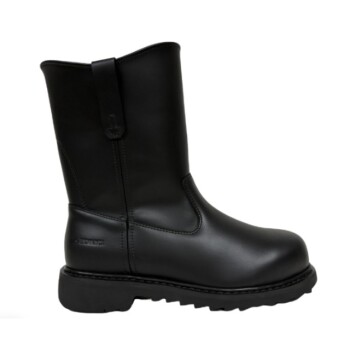
At its core, the classic cowboy boot is a piece of specialized equipment. Every iconic element of its design, from the tall shaft and angled heel to the lack of laces, serves a distinct, functional purpose rooted in the safety and efficiency of working on horseback. These utilitarian features are precisely what have allowed the boot to endure and adapt for modern use.
The cowboy boot is a masterclass in purpose-driven design. Features engineered to keep a rider safe and effective in the saddle provide a unique combination of protection, durability, and support that translates remarkably well to the demands of modern work and daily life.

The Anatomy of a Purpose-Built Tool
To understand the boot, you must first understand the problems it was designed to solve. Each component is an answer to a challenge faced by a rider.
The Tall Shaft: A Rider's Shield
The most visible feature is the tall leather shaft, which typically reaches mid-calf. Its primary function is to protect the rider's legs from trail hazards like thorny brush, rocks, and snake bites.
It also serves the crucial purpose of preventing the leather stirrup straps of the saddle from chafing and pinching the rider's shins during long hours of riding.
The Angled Heel: The Stirrup's Anchor
The high, angled "Cuban" heel is arguably the boot's most critical safety feature for a rider. It is specifically designed to prevent the foot from accidentally slipping all the way through the stirrup.
This prevents the rider from being dragged if they fall from the horse. The angle allows the heel to hook securely onto the back of the stirrup, providing stability and control.
The Smooth Sole & Tapered Toe: A Quick Entry & Exit
Cowboy boots traditionally have a smooth, often leather, sole and a pointed or rounded toe. This combination is not for fashion but for function, allowing the boot to slide easily in and out of the stirrup.
In an emergency, a rider needs their foot to release from the stirrup quickly. A thick, grippy tread, common on hiking or work boots, would be dangerously slow to disengage.
The Laceless Design: Eliminating Snags
The simple pull-on design is another intentional safety feature. Laces can easily get caught on branches, fences, or even the saddle itself, creating a significant tripping and entanglement hazard for someone working with livestock and equipment.
From the Ranch to the Modern Workplace
While its origins are equestrian, the boot's functional design has proven highly adaptable. The same features that protected the cowboy now serve professionals in various fields.
Durability and Material Integrity
The use of high-quality, thick leather provides natural water resistance and exceptional durability. This protects the foot from impacts and harsh conditions, whether on a ranch or a construction site.
All-Day Comfort and Support
A well-made boot provides significant arch support, and the sturdy heel can help promote better posture. The interior is often lined with soft leather, which allows the foot to breathe and prevents seams from rubbing against the skin.
The Rise of the Western Work Boot
Modern boot makers have integrated contemporary safety technology into the classic Western design. It is now common to find cowboy boots with steel, composite, or alloy safety toes that meet workplace hazard standards.
These specialized work boots often combine the classic upper design with slip-resistant outsoles, blending traditional form with modern industrial function.
Understanding the Trade-offs
No design is perfect for every situation. Being an effective tool means being specialized, which comes with inherent limitations.
The Break-In Period
The very durability that makes leather boots so effective means they almost always require a significant break-in period. New boots can be stiff and uncomfortable until the leather molds to your foot.
Not for Every Terrain
The smooth sole that is a safety feature in the stirrup offers poor traction on slick or uneven surfaces like ice, mud, or wet pavement. This is a critical factor to consider for non-riding activities.
Heel Height vs. Walking Comfort
A traditional, high riding heel is not ergonomically designed for extensive walking or running. This is why the "roper" style was developed, featuring a much shorter, flatter heel for individuals who spend more time on the ground.
Making the Right Choice for Your Goal
By understanding the function behind the form, you can select the right boot for your specific needs.
- If your primary focus is horseback riding: Choose a traditional boot with a tall shaft, a high angled heel, and a smooth leather sole for safety and performance in the stirrup.
- If your primary focus is walking and all-day wear: Consider a "roper" style with a shorter shaft and a lower, blockier heel for greater stability and comfort on the ground.
- If your primary focus is manual labor: Look for a dedicated Western work boot that incorporates a certified safety toe and a high-traction, slip-resistant outsole.
- If your primary focus is fashion: You have the most freedom, but be mindful that taller shafts and higher heels will always be less practical for extended walking.
Ultimately, choosing the right cowboy boot is about matching its intended purpose to your own.
Summary Table:
| Feature | Primary Function | Modern Adaptation |
|---|---|---|
| Tall Shaft | Leg protection from brush, snakes, and stirrup chafing | General leg protection in rugged environments |
| Angled Heel | Prevents foot from slipping through stirrup, preventing drag | Provides stability and a distinctive style |
| Smooth Sole & Tapered Toe | Allows quick, easy entry/exit from stirrups | Facilitates easy on/off; classic look |
| Laceless Design | Eliminates snagging hazards on trail and equipment | Streamlined, snag-free design for work and wear |
| High-Quality Leather | Durability and water resistance for long hours in saddle | Long-lasting material for daily and work use |
Ready to experience the perfect blend of tradition and performance?
As a large-scale manufacturer, 3515 produces a comprehensive range of footwear for distributors, brand owners, and bulk clients. Our production capabilities encompass all types of shoes and boots, including durable, purpose-built cowboy and Western work boots designed to meet the demands of modern professionals.
We can help you provide your customers with boots that offer superior protection, comfort, and style. Contact us today to discuss your footwear needs and discover how we can bring value to your business.
Visual Guide

Related Products
- Durable Spiked Camouflage Boots Wholesale & Factory Production
- Wholesale High-Traction Camo Boots - Custom Manufacturer for Brands
- High-Traction Suede Tactical Boots Wholesale & Custom Manufacturing
- Wholesale Lightweight Tactical Boots Custom Manufacturer for Desert & Combat Use
- Durable Leather Tactical Boots Wholesale & Custom Manufacturing for Brands
People Also Ask
- How does boot height affect waterproofing? Choose the Right Height for Ultimate Protection
- What are the best types of shoes for different gardening conditions? Find Your Perfect Match.
- What role does camouflage play in hunting boots? It's More Than Just a Pattern
- What should you look for to ensure boots are fully waterproof? The Essential 2-Part System
- How does boot construction affect waterproofing? The Science Behind Truly Dry Feet