The primary finishes applied to leather are aniline, semi-aniline, pigmented, and patent. Each finish dictates the final appearance, feel, and durability of the hide by either preserving the natural grain with minimal coating or applying a protective surface layer for resilience and uniform color.
The core decision in leather finishing is a trade-off. You must choose between preserving the leather's natural, unique character and applying a more durable, uniform surface that withstands daily use.
The Purpose of a Leather Finish
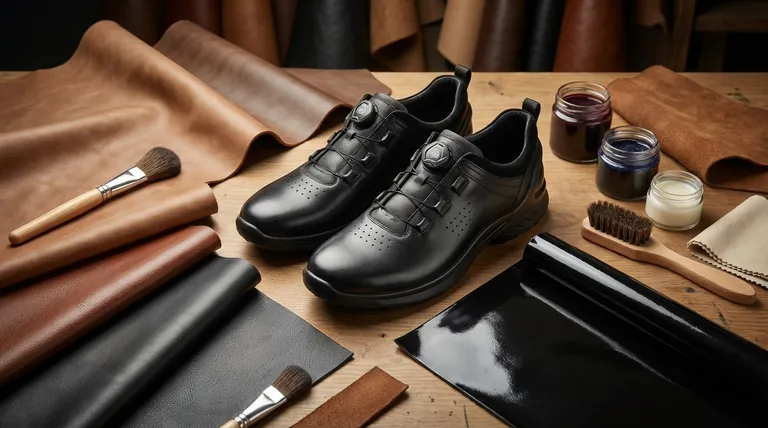
A leather finish is the final treatment applied to the surface of a hide after the tanning process. This crucial step determines not only the leather's aesthetic qualities but also its ability to resist staining, fading, and wear.
Protecting the Hide
The primary functional purpose of a finish is protection. An untreated hide is porous and susceptible to damage from moisture and abrasion. A finish acts as a barrier, sealing the surface to enhance its longevity.
Defining the Aesthetic
Finishes are also used to achieve a specific look and feel. They can create a uniform color, add a high-gloss shine, or simply enhance the natural beauty of the hide's unique markings.
The Spectrum of Leather Finishes
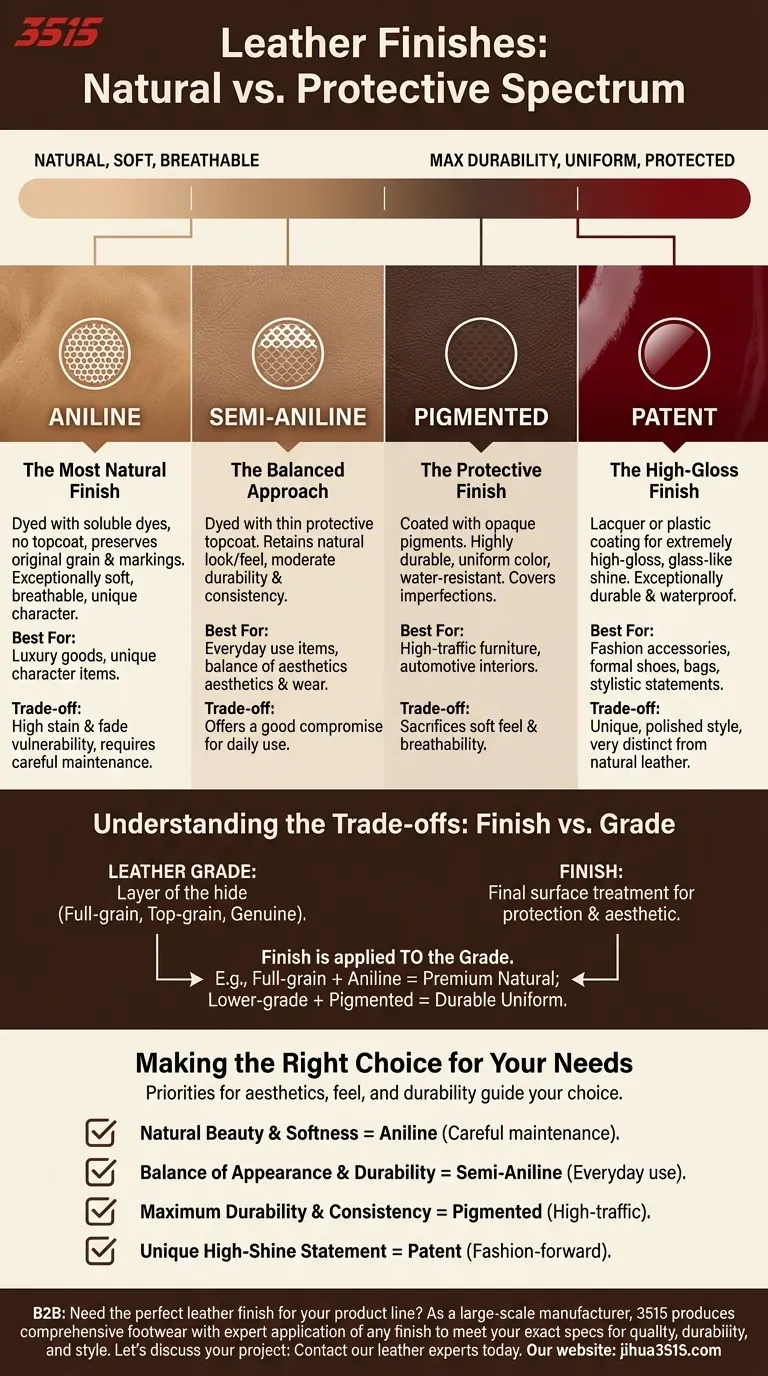
Leather finishes exist on a spectrum, from the most natural and least protected to the most protected and least natural.
Aniline: The Most Natural Finish
Aniline leather is dyed in a drum with soluble dyes that fully penetrate the hide. This process does not add a topcoat, preserving the original surface grain, including natural scars and markings.
This finish results in leather that is exceptionally soft and breathable, but it is also the most vulnerable to staining and fading.
Semi-Aniline: The Balanced Approach
Semi-aniline leather is treated like aniline but with the addition of a very thin protective topcoat. This light coating helps the leather resist stains and wear more effectively.
It offers a good balance, retaining much of the natural look and feel of aniline while providing a moderate increase in durability and consistency.
Pigmented: The Protective Finish
Pigmented leather is coated with a polymer-based finish containing opaque pigments. This creates a highly durable, uniform, and water-resistant surface.
This process covers most natural imperfections, making it ideal for high-use items like family sofas or car interiors. However, it sacrifices the soft feel and breathability of more natural finishes.
Patent: The High-Gloss Finish
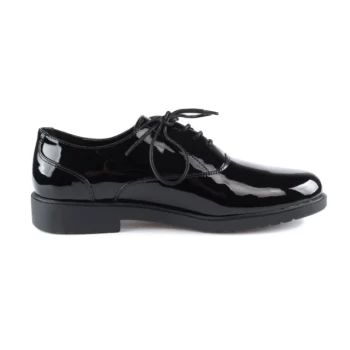
Patent leather is known for its extremely high-gloss, almost glass-like finish. This effect is achieved by applying a coating of lacquer or plastic.
The finish is exceptionally durable and waterproof, making it a popular choice for formal shoes, bags, and accessories where a unique, polished style is desired.
Understanding the Trade-offs: Finish vs. Grade
A common point of confusion is the difference between a leather's finish and its grade. They are related but distinct concepts.
What is Leather Grade?
The grade of leather refers to which layer of the hide was used. Full-grain is the highest quality outer layer, while top-grain has been sanded to be more uniform, and genuine leather comes from lower layers.
How Finish and Grade Interact
The finish is applied to the grade. For example, a premium full-grain hide is often treated with an aniline finish to showcase its natural quality. Conversely, a lower-grade hide with imperfections might be coated with a pigmented finish to create a durable and uniform surface.
Understanding both grade and finish is essential to evaluating the overall quality and suitability of a leather product.
Making the Right Choice for Your Needs
Your ideal leather finish depends entirely on your priorities for aesthetics, feel, and durability.
- If your primary focus is natural beauty and a soft feel: Choose aniline leather, accepting the need for more careful maintenance.
- If your primary focus is a balance of natural appearance and durability: Semi-aniline provides an excellent compromise for everyday use.
- If your primary focus is maximum durability and color consistency: Pigmented leather is the most practical choice for high-traffic items.
- If your primary focus is a unique, high-shine stylistic statement: Patent leather offers a distinctive and durable fashion-forward option.
By understanding the purpose behind each finish, you can confidently select the leather that perfectly aligns with your specific needs.
Summary Table:
| Finish Type | Key Characteristic | Best For |
|---|---|---|
| Aniline | Natural, soft, breathable | Luxury goods, unique character |
| Semi-Aniline | Balanced protection & natural look | Everyday use items |
| Pigmented | Highly durable, uniform color | High-traffic furniture, automotive |
| Patent | High-gloss, waterproof | Fashion accessories, formalwear |
Need the perfect leather finish for your product line?
As a large-scale manufacturer, 3515 produces a comprehensive range of footwear for distributors, brand owners, and bulk clients. Our production capabilities encompass all types of shoes and boots, and we can expertly apply any finish—from premium aniline to durable pigmented—to meet your exact specifications for quality, durability, and style.
Let's discuss your project: Contact our leather experts today to get a quote and see how we can bring your vision to life.
Visual Guide
Related Products
- Wholesale Classic Leather Lace-Up Ankle Boots for Brand Manufacturing
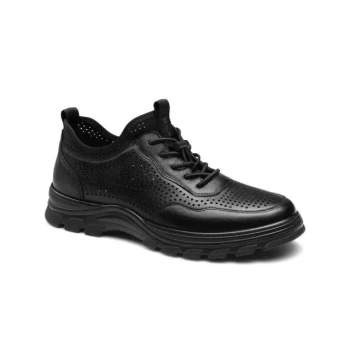
- Wholesale Modern Perforated Leather Derby Shoes with Chunky Sole for Custom Branding
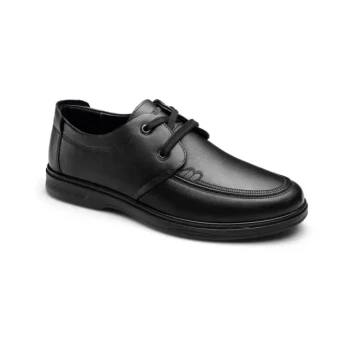
- Wholesale Leather Apron Toe Derby Shoes Custom Factory Production
- Wholesale Leather Ankle Boots with Lug Soles for Custom Brand Manufacturing
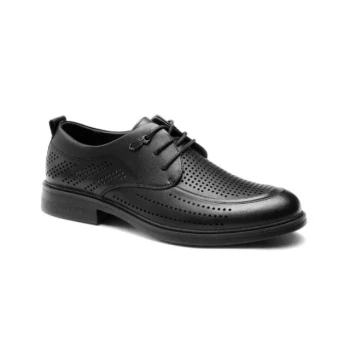
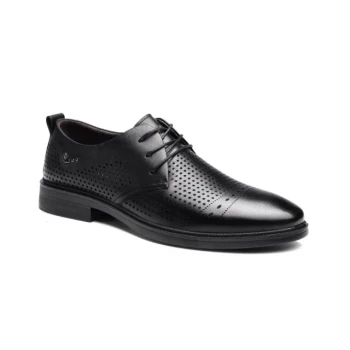
- Wholesale Breathable Perforated Leather Derby Shoes with Modern Comfort Sole
People Also Ask
- How are oils used to waterproof leather boots? A Guide to Deep Conditioning & Protection
- Why is regular maintenance necessary for the performance of leather boots? Boost Durability & Brand Reputation
- Why might it be beneficial to pre-heat the boots before applying wax? Achieve Deeper, Longer-Lasting Protection
- How can leather boots maintain their water resistance? A Guide to Lasting Protection
- What is the biggest enemy of leather boots? Protect Your Investment from Water Damage